
Why Digitally Printed Mylar Bags Support Fast Growth for Emerging Brands
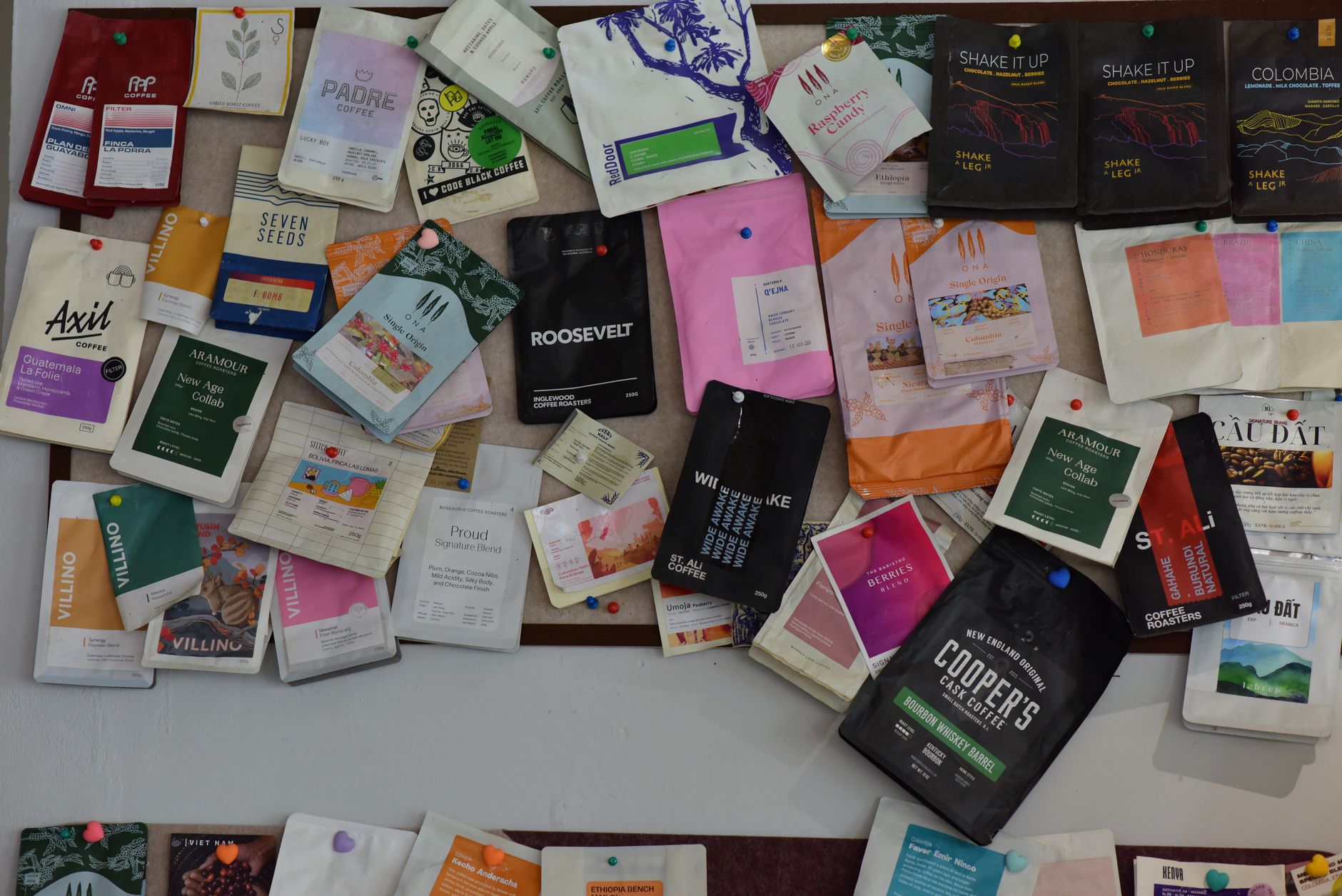
Emerging brands need packaging that looks established while leaving room to learn and adapt. A new product line may evolve as a company tests flavors, updates its design, responds to customer feedback, or plans seasonal releases. Digital printing can make it easier to create professional packaging without treating every artwork change like a major production reset.
With custom printed mylar bags, brands can combine strong visual design with flexible formats and features selected for the product inside. ePac works with companies at different stages of growth, from small test runs to larger production needs. The packaging plan can develop alongside the business.
Short‑Run Flexibility for Seasonal, Limited‑Edition, and Rapid Iteration
Short-run packaging can help a growing brand test a new concept before committing to a large quantity. A company might introduce a seasonal flavor, create a limited-edition design, or update graphics after seeing how customers respond. Digital printing supports these changes by using digital artwork files rather than printing plates, making it possible to manage multiple designs and SKUs in a single order.
This flexibility can help brands keep packaging aligned with their product lineup. A company with several flavors or sizes can give each variation distinct colors, images, and product details while maintaining a consistent visual identity. It can also make it easier to update a design or prepare a new version for a promotion, subject to production requirements and artwork approval.
The format matters as much as the design. Stand-up and lay-flat pouches suit different shelf and storage needs. For products that benefit from a structured shape and additional printable panels, flat bottom bags can provide a stable shelf presence and space for brand messaging. Custom dimensions can be selected to suit the product, fill weight, and display goals.
Mylar-style packaging can also be configured with material and feature options based on the application. Depending on the product, brands may consider high-barrier films, resealable closures, tear notches, windows, or finishes such as matte, soft-touch, gloss, and metallized. Selecting those features starts with understanding the product’s protection needs, filling process, and customer use.
Fast Turnaround That Keeps New SKUs Launch‑Ready
Speed can matter when a product launch is tied to a season, promotion, or retail opportunity. ePac publishes production timelines of about 10 business days for rollstock and 15 business days for finished pouches after artwork approval, with timing dependent on the packaging format and order. Planning ahead for design reviews and approvals can help teams prepare packaging for a launch window.
For products suited to individual wrapping on horizontal form-fill-seal equipment, flow wrap provides a printed film option. The format can work for items such as snacks, confectionery, and other products that need individual wrapping. Because flow-wrap film is produced for specific equipment and sealing requirements, brands should confirm compatibility with their production line or co-packer before finalizing a specification.
Efficient packaging planning can also help companies coordinate multiple SKUs. Teams can organize artwork, product information, and launch timing together, then check that each design is accurate before it goes to press. The same process can support new flavors, limited runs, product extensions, and future packaging updates.
For an emerging brand, packaging is both a product safeguard and a point of connection with customers. Digital printing, flexible ordering, and multiple pouch formats can help a company bring new ideas to market and respond as it grows. By choosing a format, material, and design suited to the product and production plan, brands can build a packaging program ready for what comes next.