
How Quality Plastic Badges Improve Identification and Security
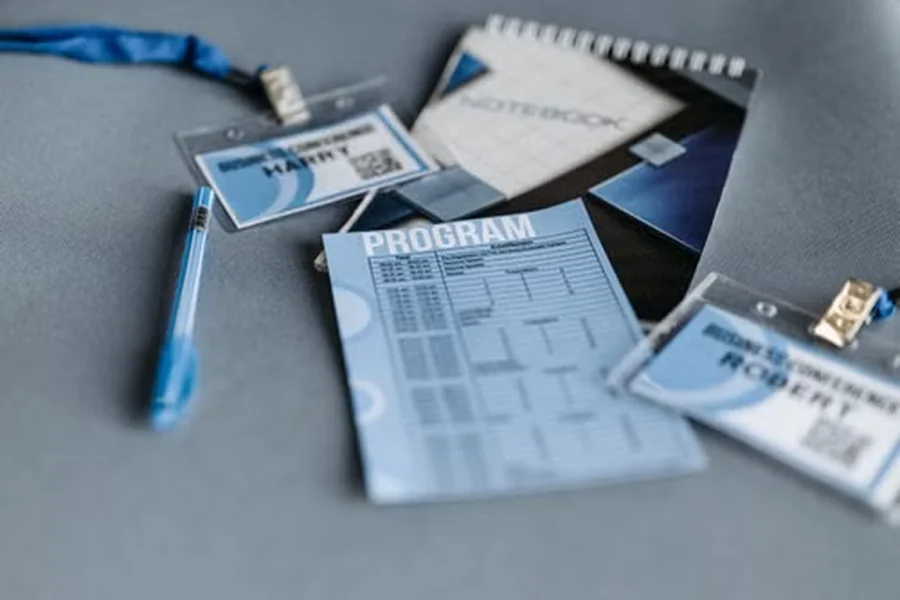
Every event, office, and facility faces the same basic question: who belongs here, and in which areas?
A paper tag or handwritten sticker rarely answers it well. Tags like these tear, smudge, and copy easily, which makes it hard for staff to identify people and lets unauthorized guests slip in.
Good-quality plastic badges solve many of these problems. They’re sturdy, waterproof, and printed on both sides, so they hold up all day. They can also carry names, pictures, logos, QR codes, access levels, and unique numbers, plus security features that make them harder to copy.
That turns a badge into a real tool for identifying people and tightening security. Read on to learn how high-quality badges improve identification, access control, and overall security.
1. Durable Construction Keeps Identification Readable
A badge only works if people can read it. High-quality plastic badges are made of tough PVC with laminate film on both sides, usually 23 or 30 mil thick. These badges resist creasing, bending, and tearing, even with frequent use.
Waterproof is another important feature. Concerts, parades, fairs, and fieldwork all expose badges to water. Water can ruin a paper credential within minutes, while a laminated plastic badge stays legible. This lets staff identify participants quickly, while needing fewer replacement badges.
2. Personalization Makes Identity Clear
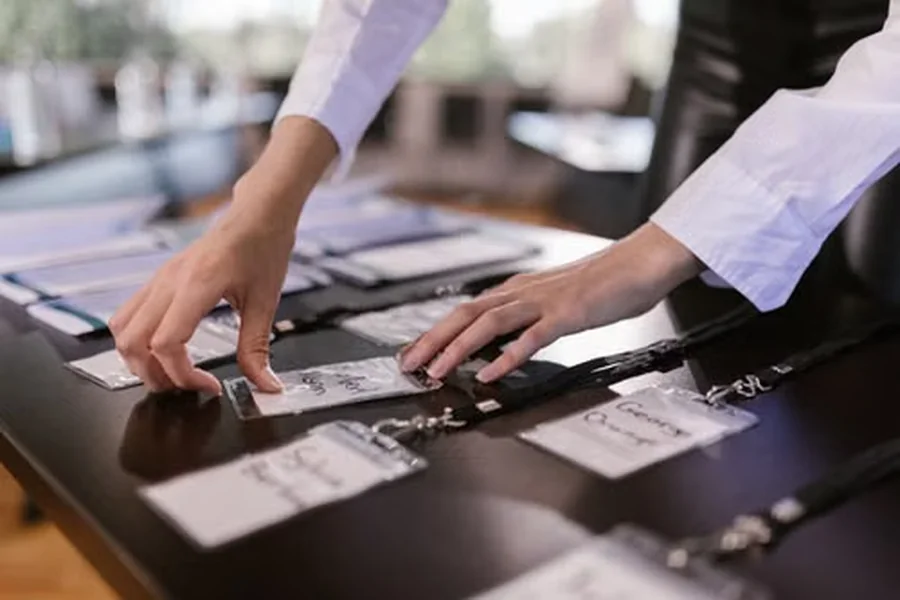
People are easier to identify when their badge shows who they are and why they’re at the facility. Along with a name, photo, and logo, a plastic badge can carry a unique ID number. Variable-data printing lets every badge in a batch have its own details while still looking uniform.
The photo does a lot of the work. It ties the badge to one person, so it’s much harder to hand off to someone else, while the staff can match a face to a badge in a second.
3. Color Coding and Roles Simplify Access Control
Not everyone should have access to every area. Employees, contractors, keynote speakers, VIPs, and other attendees generally require access to varying degrees. Color stripes and clearly printed roles make each person’s access level visible, even from across the room. A well-designed plastic badge helps greeters and security staff quickly spot anyone who doesn’t belong.
4. Security Enhancements Discourage Copying
An ID is only as good as it is hard to fake. Foil printing or raised spot-gloss UV can be added to plastic badges. These effects make badges much harder to reproduce on an office copier. A quick look or touch is enough to check a badge. No special equipment is needed to spot a missing foil imprint or a smooth surface where a raised effect should be.
Furthermore, having more features makes the badges harder to fake. If the badge has a foil effect, a glossy look, and some microprinting on it, the forger will have to reproduce all of those elements at the same time, which is much harder than simply reproducing a plain printed badge.
5. QR Codes and Unique Numbers Support Tracking
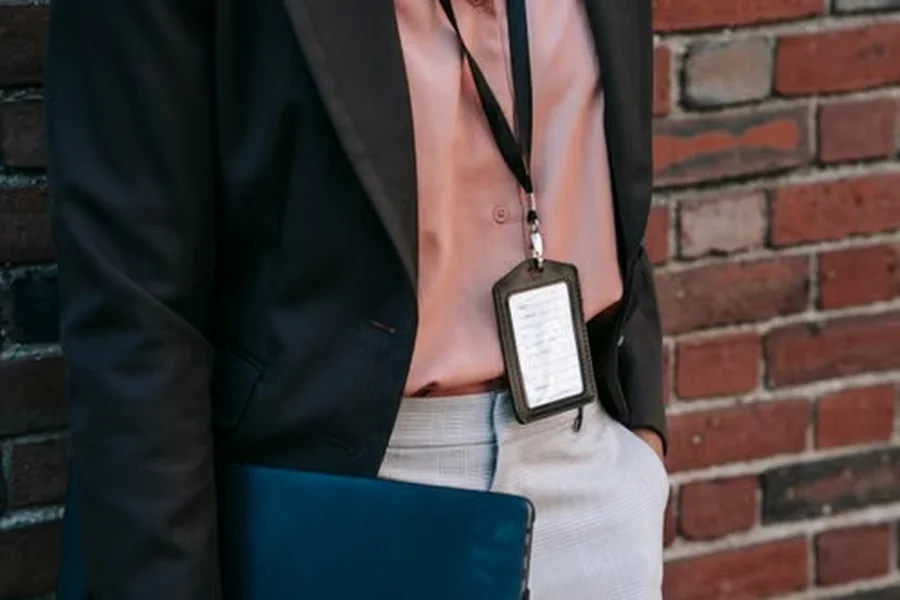
Modern events rely on data as much as on visual checks. Badges can include QR codes, access levels, and unique ID numbers. Scanning a code at the door can record attendance and confirm session eligibility.
This kind of tracking helps organizers answer key questions, such as who entered the exhibit hall, which badge was used at a restricted entrance, and whether the same number appeared twice. Unique numbers also make lost or stolen badges easier to deactivate.
6. Size and Finish Options Fit Different Needs
Quality badges come in several practical sizes, including 2.75 x 4, 3 x 4, 3 x 5 and 3.5 x 5.5 inches, with custom sizes also possible. A larger badge leaves room for a long name, photo, and title, which suits settings where people read badges from several feet away.
The finishing of laminate is one of the factors that should be considered while selecting a badge. The high-gloss laminate finish makes the colors look bright and glossy. On the other hand, soft-touch matte laminate reduces glare.
Less glare makes the photo and barcode easier to read and scan. Pairing a badge with a lanyard also keeps it visible at chest level all day.
7. Professional Badges Reinforce Trust and Branding
Perception plays a key role in security, too. A sturdy, well-designed badge tells people that the organization takes its events seriously. The more professional the badge looks, the more attendees trust the organizers.
Branding is part of the picture as well. A logo on the badge promotes the event and identifies the badge holder at the same time. With so many attendees wearing the same design, the event’s look is easy to spot and recognize.
Wrapping Up
A good plastic badge does more than hang around someone’s neck. Durable material, personal details, the right finish, and clear access markings all work together to show who belongs and where they’re allowed to be. Staff can spot the wrong person faster, and organizers keep a tighter grip on restricted areas. Put a little thought into the design up front, and the badge becomes a simple, dependable part of your security.