
Cosplay as a Creative Hobby: Why Young People Create Costumes Inspired by Movies and Games
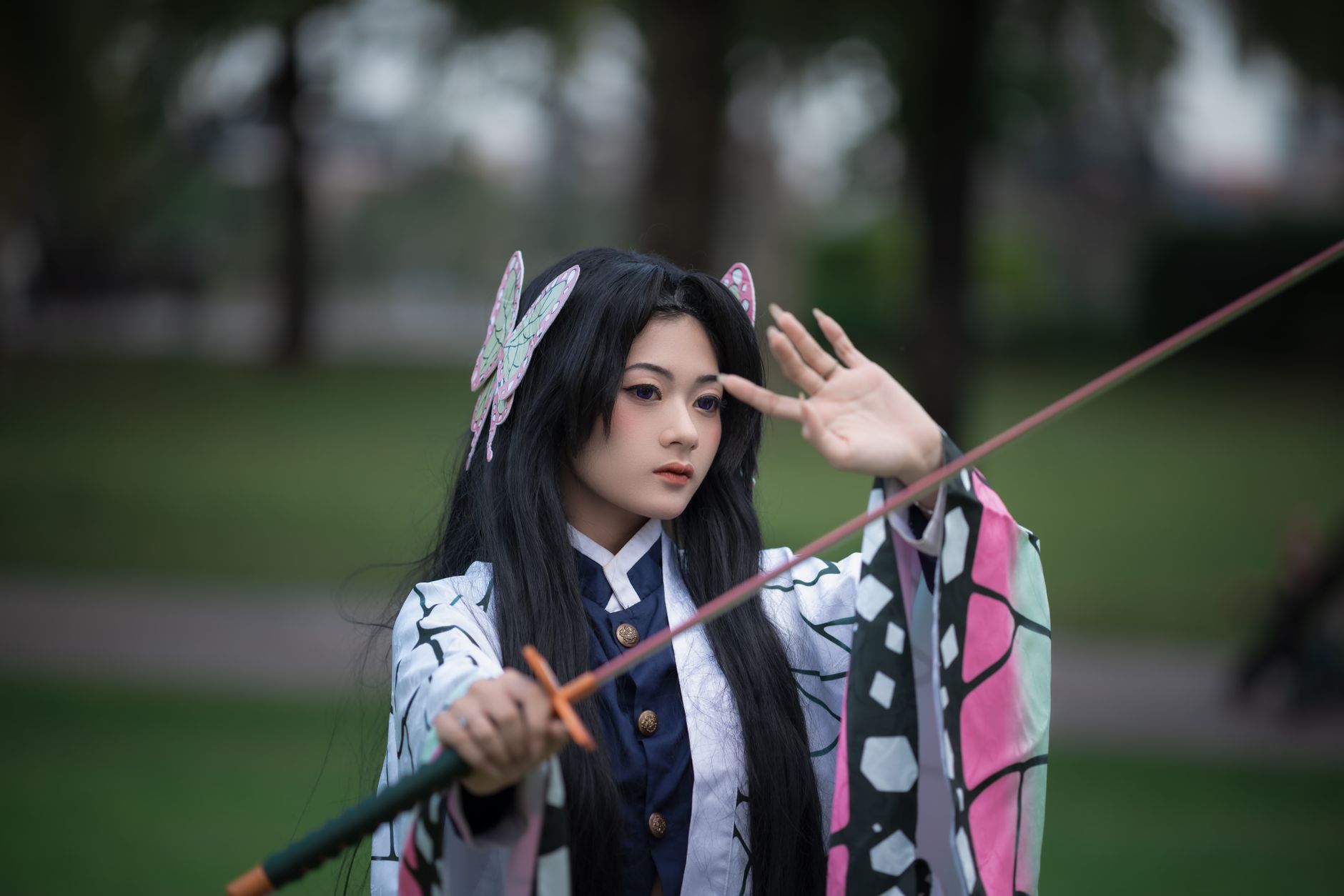
Cosplay has developed from an activity associated with fan conventions into a creative hobby practiced by young people worldwide. Participants recreate characters from movies, video games, animation, and literature through costumes, makeup, accessories, and performance. However, cosplay involves more than wearing recognizable clothing. It combines design, craftsmanship, research, and personal interpretation, allowing enthusiasts to transform fictional characters into physical creations.
The growth of digital entertainment has also introduced audiences to different forms of interactive experiences. Users exploring gaming content may read more about chance-based casino entertainment, which involves financial risks. Cosplay, by contrast, focuses on creative production rather than uncertain financial outcomes. Its appeal comes from learning practical skills, participating in fan communities, and expressing an interest in fictional worlds through handmade projects.
What Is Cosplay and How Does It Work?
Cosplay combines the words costume and play. Participants create or wear outfits representing fictional characters.
Some aim to reproduce costumes accurately, while others develop interpretations using different materials or design approaches.
The activity may involve sewing, prop construction, wig styling, makeup, and photography.
Cosplayers often present their work at conventions, community events, or through online portfolios.
However, public appearances are not necessary. Many enthusiasts create costumes primarily for personal satisfaction and skill development.
Why Fictional Characters Inspire Creativity
Movies and games introduce characters with recognizable clothing, accessories, and visual identities.
These designs provide reference material for creative projects.
A participant might become interested in recreating armor, a historical costume, or clothing associated with a fictional universe.
Choosing a character often reflects personal identification with their story, personality, or appearance.
The creative challenge involves translating a screen design into something wearable.
This process requires decisions about proportions, materials, construction methods, and practical movement.
Learning Sewing and Costume Construction
Sewing is one of the skills associated with cosplay.
Beginners may start by modifying existing garments before creating costumes from patterns.
Projects can introduce techniques involving measurements, fabric selection, cutting, and garment assembly.
More experienced participants may experiment with embroidery, structural supports, and layered materials.
However, not every costume requires sewing.
Some characters can be recreated through clothing combinations, accessories, and makeup.
The choice of techniques depends on the design and available resources.
Prop Making and Three-Dimensional Design
Many characters carry objects such as staffs, shields, helmets, or fictional tools.
Recreating these accessories introduces skills involving measurement, shaping, painting, and assembly.
Common materials include foam, cardboard, fabric, and lightweight plastics.
Some enthusiasts also use digital modeling and three-dimensional printing.
Safety matters because convention rules may restrict certain props, particularly objects resembling weapons.
Beginners should prioritize lightweight materials and secure construction.
A successful prop should be recognizable without creating unnecessary risks during transportation or use.
Makeup, Wigs, and Character Interpretation
Costumes are only one component of character representation.
Makeup can help recreate facial features, colors, or effects associated with a fictional design.
Wigs allow participants to experiment with hairstyles without changing their natural hair.
Some cosplayers also study posture, gestures, and expressions.
These elements introduce aspects of performance into the hobby.
However, accurate physical resemblance is not required for meaningful participation.
Creative interpretation allows people with different appearances and abilities to represent characters they enjoy.
Why Social Media Supports Cosplay Communities
Social media allows cosplayers to share progress, demonstrate techniques, and exchange feedback.
Videos showing costume transformations can introduce audiences to the work involved in creating a finished outfit.
Tutorials also make construction methods more accessible to beginners.
Online communities help participants find collaborators, photographers, and local events.
However, public visibility may encourage comparisons involving appearance, costume accuracy, or audience engagement.
Separating personal satisfaction from online recognition can help maintain enjoyment.
Conventions and Social Connections
Fan conventions provide opportunities for cosplayers to meet people with similar interests.
Participants can exchange construction advice, discuss fictional stories, and organize group photographs.
Some events include costume competitions evaluated through craftsmanship and presentation.
Others emphasize informal participation.
These gatherings create opportunities for friendships based on shared creative interests.
However, participation should remain accessible to people who prefer simple costumes or do not want to compete.
How Much Does Cosplay Cost?
Cosplay expenses vary according to costume complexity, materials, and available equipment.
A beginner using existing clothing and handmade accessories may spend relatively little.
Projects involving specialized fabrics, wigs, printing, and professional photography can require larger budgets.
Transportation and event admission also contribute to total expenses.
Planning should begin with a list of necessary materials and realistic cost estimates.
Borrowing tools, reusing supplies, and completing projects gradually can reduce expenses.
Can Cosplay Develop Professional Skills?
Cosplay introduces abilities applicable beyond recreational activities.
Costume construction develops practical knowledge of textiles, measurements, and design.
Prop making involves planning, problem-solving, and material experimentation.
Photography and character presentation can strengthen communication and visual storytelling skills.
Some participants eventually pursue opportunities in costume production, entertainment, or creative services.
However, professional development is not essential to justify participation.
The hobby can remain valuable without becoming a source of income.
How Beginners Can Start Cosplaying
The first project should match available time, skills, and resources.
Choose a character with a manageable costume and collect reference images from different angles.
Identify which elements can be purchased, modified, or created.
Divide construction into smaller tasks and test components before the planned event.
Allow time for adjustments because unfamiliar materials may behave unexpectedly.
Beginners benefit from treating early costumes as learning experiences rather than expecting immediate perfection.
Why Cosplay Continues to Attract Young People
Cosplay combines fandom, creative expression, and practical skill development within one activity.
Participants can explore fictional worlds while learning how to transform ideas into physical objects.
Community interaction provides opportunities for collaboration and shared experiences.
Its appeal does not depend exclusively on costume complexity or public recognition.
For young people seeking a hobby involving creativity and participation, cosplay offers an opportunity to develop skills, express personal interests, and connect with others through characters and stories.