
Coated Steel in Confined Spaces: The Hidden Fume Sources Crews Miss Before the Arc Starts
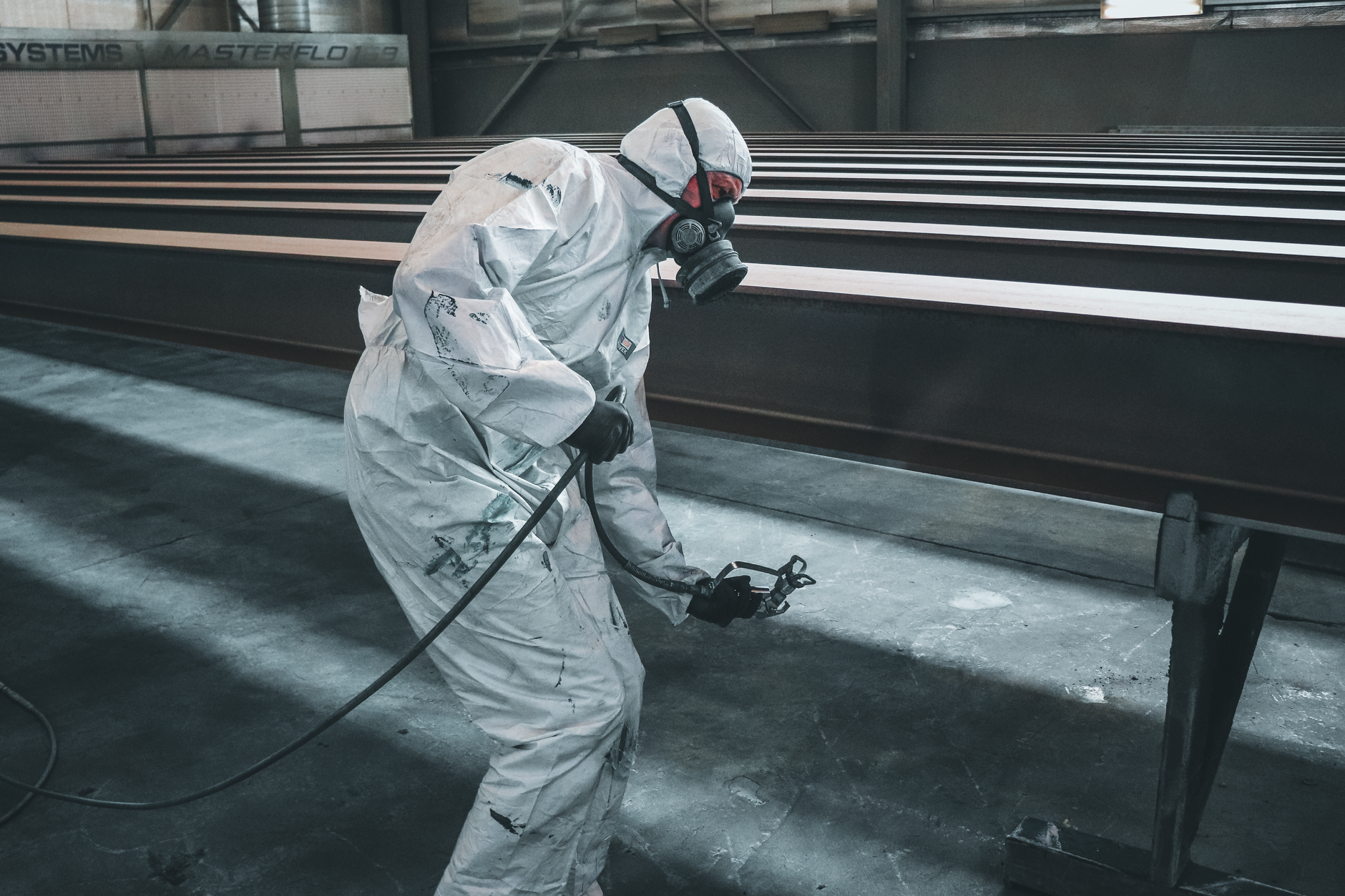
The fumes in a tank, vessel or duct run do not come only from the weld. Paint, primer, galvanizing and plating on the base metal can release their own contaminants once heat reaches them, and many crews plan for the filler metal while ignoring the coating. Understanding how ventilation shapes confined space welding safety starts with knowing exactly what is on the steel before anyone strikes an arc. This article walks through the common coating hazards, how to identify them, and how to match extraction and airflow to what you find.
Key Takeaways
- Coatings and platings can add fume hazards that the welding consumable alone does not explain.
- Identify the coating before work starts; do not assume a surface is bare or harmless.
- Source capture close to the arc usually outperforms general room ventilation in a confined space.
- Coating removal, ventilation, and atmospheric monitoring work best as one plan, not three separate tasks.
Why It Matters
Confined spaces limit air exchange by design. A single entry point, a narrow opening or a closed vessel means contaminants have fewer ways out, so anything released at the weld zone stays concentrated around the welder.
Coatings make this harder to predict. A permit may list the weld process and the base metal, yet say nothing about the primer applied years ago or the galvanized layer on a repair section. When the coating is unknown, the ventilation plan is built on incomplete information.
That gap is where many near misses begin. The crew believes it is welding mild steel, but the heat-affected zone is also cooking off a coating that behaves very differently from the weld fume itself.
Key Insight: The hazard list for a confined space weld should include everything the arc heat touches, not only what the welder adds to the joint.
What Is Actually on the Steel
Coated steel can release metal fumes, combustion byproducts and organic vapors when heated, and the specific mix depends on the coating chemistry. The table below summarizes common coating types and the concerns they typically raise.
|
Coating or plating |
Typical concern when heated |
Planning note |
|
Galvanized (zinc) |
Zinc oxide fume |
Remove coating from the weld area where practical; plan strong source capture |
|
Lead-based paint (older structures) |
Lead-bearing fume and dust |
Treat as a regulated hazard; confirm with testing before work |
|
Chromate primers |
Compounds that can include hexavalent chromium |
Assume a higher-risk fume profile until tested |
|
Epoxy and polyurethane coatings |
Thermal decomposition products and vapors |
Strip back from the joint; verify atmosphere during work |
|
Cadmium plating |
Cadmium-bearing fume |
Treat as a high-hazard material and seek specialist guidance |
|
Oil, grease, solvent residue |
Smoke, vapors, flammability concerns |
Clean thoroughly before welding |
Why age and history matter
Older tanks, boilers and structural members were often coated with products that are no longer common. A vessel that has been repaired several times may carry layers of different coatings in different places. Records help, but they are frequently incomplete.
Why "it looks clean" is not enough
A surface can appear bare and still hold residue in seams, weld toes and crevices. Heat travels along the metal, so coating near the joint can break down even when the weld itself sits on clean steel.
Identify Before You Ventilate
The first step is a coating assessment, and it belongs in the pre-job review rather than at the access point. Treat it as a short, repeatable process.
- Review the work history, drawings and any prior inspection reports for coating information.
- Inspect the weld area and the surrounding metal for paint, scale, plating or residue.
- Test unknown coatings through the appropriate channel before assuming they are acceptable.
- Record what you found and share it with the entry supervisor, the welders and whoever manages the ventilation equipment.
- Update the job hazard analysis so the fume controls match the coating, not just the process.
The result of this assessment drives everything that follows: how far to remove coating, what capture strategy to use, and what the atmosphere monitoring needs to cover.
Remove, Capture, Ventilate: The Control Order
Coating removal near the joint is usually the most effective first control, because it reduces the source rather than managing its output. Mechanical removal brings its own dust, so it should happen with appropriate dust control and not inside an unventilated space.
Remove the source where practical
Clean the weld zone back well beyond the joint edges, since heat spreads outward from the arc. Where removal is not practical, such as inaccessible seams or coatings that must stay for service reasons, the capture and ventilation requirements become more demanding.
Capture fume at the arc
Source capture pulls contaminants away before they reach the breathing zone. In a confined space, a portable extraction unit with a flexible arm or hood positioned close to the weld usually does more than a fan moving air through the opening. Position matters: a capture hood too far from the arc loses effectiveness quickly, and it needs to be moved as the weld progresses.
Portable, heavy-duty extraction equipment suits this work because confined space jobs rarely offer permanent infrastructure. The unit has to be moved through narrow access points, set up quickly and relocated as the work advances.
Ventilate the space around the capture
General ventilation supports source capture; it does not replace it. Supply air should reach the work area without short-circuiting straight to the exhaust, and discharge should go somewhere that does not recirculate contaminants into another occupied area.
Shielding gas adds one more consideration. Argon and some gas mixtures can accumulate in low areas, so the ventilation design should account for where heavier-than-air gases settle in the particular geometry of the space.
Pro Tip: Walk the airflow path before the crew enters. Confirm where clean air comes in, where contaminated air leaves, and whether the welder is positioned between the two or upstream of the contamination.
Monitoring When the Coating Is Unknown or Variable
Atmospheric monitoring should reflect the coating hazard, not only oxygen and flammability. Standard confined space monitoring covers the basics, but coated steel can introduce contaminants that a basic four-gas meter does not detect.
- Match monitoring to the contaminants you identified in the coating assessment.
- Re-test when the work moves to a different section, since coatings change from one area to the next.
- Recheck after any pause, because heat soak and residual fume can shift conditions between passes.
- Keep a written record of readings and ventilation settings for the permit file.
An industrial hygienist or qualified safety professional should set the monitoring approach for high-hazard coatings. Equipment helps reduce exposure, but it does not replace a competent assessment, and no ventilation setup removes the need for proper respiratory protection decisions where they apply.
A Concrete Example: The Repair Patch on a Storage Tank
Consider a fabrication crew contracted to weld a repair patch inside an older carbon steel storage tank. The work order states mild steel, a single manway and a short job window. Nobody has documented the interior coating.
Before entry, the safety lead asks for a coating check. A visual inspection shows a dull grey layer near the repair area and flaking paint around adjacent seams. A sample is sent for testing, and the crew holds the job until results return.
The results show a coating system that warrants stronger controls. The team grinds the coating back from the repair zone with dust control in place, sets up a portable extraction unit with the hood close to the weld, and runs supply air from the manway so that air flows across the work area toward the exhaust point. Monitoring covers the contaminants identified in testing, with readings logged at the start and after each break.
The weld takes slightly longer than planned. The crew finishes without an unplanned stop, and the permit file contains the coating test, the removal method, the ventilation layout and the monitoring log. That documentation is as useful for the next job as it was for this one.
Actionable Takeaways
- Add a coating assessment line to every confined space welding permit or job hazard analysis.
- Treat unknown coatings as unverified until tested, and hold the job until you know.
- Remove coating from the weld zone where practical, with dust control for the removal work itself.
- Place portable source capture as close to the arc as the work allows, and move it as the weld moves.
- Check the airflow path so supply air passes the welder before reaching the exhaust.
- Monitor for the specific contaminants the coating can produce, and re-test when the work area changes.
- Keep records of coatings, controls and readings so the next crew starts with better information.
Conclusion
Confined space welding safety depends on knowing what is in the air and where it comes from. The weld is only part of that picture, because the surface being welded can contribute fumes of its own.
A short coating assessment, careful removal, close source capture and monitoring matched to the real hazards turn an uncertain job into a planned one. The extra hour spent before the arc starts is usually the cheapest part of the whole project.
FAQ
Does galvanized steel need special ventilation when welding in a confined space?
Yes, galvanized steel produces zinc oxide fume when heated, so it calls for stronger controls than bare steel. Removing the coating from the weld area where practical and using source capture close to the arc are the usual starting points.
How do I find out what coating is on old steel?
Start with work history, drawings and inspection records, then confirm with testing when the information is missing or uncertain. Visual inspection alone cannot reliably identify a coating, especially on older structures with multiple paint layers.
Is general ventilation enough for welding in a tank or vessel?
General ventilation alone is rarely enough, because it dilutes contaminants rather than capturing them at the source. Pairing portable source capture at the arc with planned supply and exhaust airflow gives better control in a confined space.
Should I remove paint before welding in a confined space?
Removing coating from the weld zone is generally the preferred first control, since it reduces the source of fume. The removal work itself should be done with dust control and appropriate ventilation.
Do standard gas monitors detect coating-related fumes?
Not necessarily, because basic monitors usually cover oxygen, flammable gases and a few common toxic gases. Coating-related contaminants may need additional or different monitoring chosen with input from a qualified safety professional.
Who should decide the ventilation plan for coated steel in a confined space?
The plan should be set by the entry supervisor and safety lead with input from an industrial hygienist where the coating hazard is significant. Welders and equipment operators should be briefed on the plan before entry.