
Why Moving Damage Usually Starts Before the Truck Leaves (and How to Prevent It)
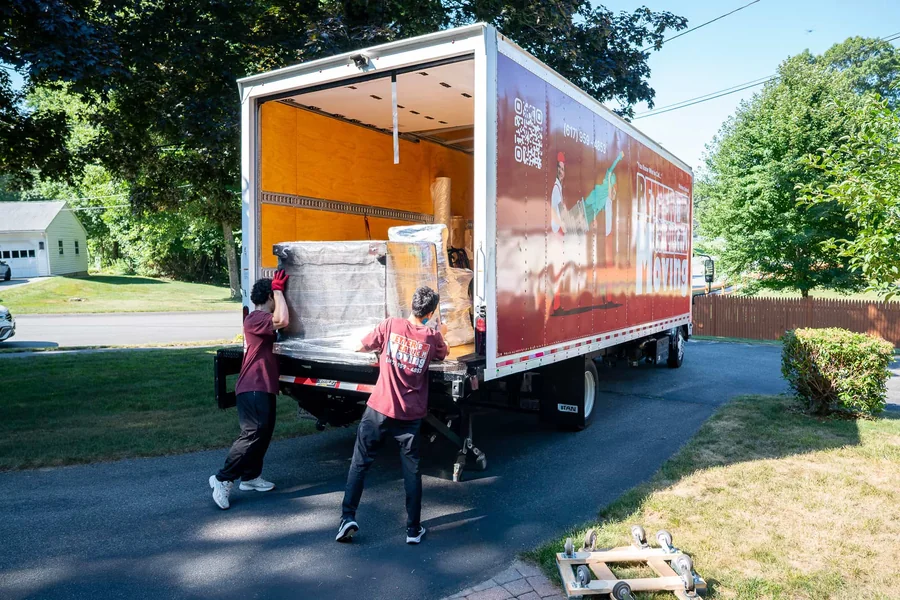
Most people picture moving damage as a dramatic moment: a dropped dresser or a box tumbling off a dolly. The reality is usually quieter. A plate cracks because it had room to slide. A lamp shade gets crushed under a box of books. A table leg gets scratched because nobody wrapped it.
These problems rarely come from the drive itself. They come from how things were packed hours or days earlier. The good news is that packing is a skill anyone can improve. With a few habits and the right materials, you can protect almost everything you own.
Key Takeaways
- Most breakage happens when items shift inside boxes, so eliminating empty space matters more than adding extra tape.
- Heavy items belong in small boxes, and light items belong in large ones.
- A room-by-room plan makes packing faster and unpacking far less stressful.
- Fragile items, electronics, and furniture each need different packing methods.
- Clear labeling saves hours once you arrive at your new place.
- Packing some rooms yourself and handing off the harder ones is a practical middle ground.
The Real Reason Things Break During a Move
A moving truck vibrates, brakes, turns, and bumps over uneven roads. Anything inside a box that can move will move. Every small shift puts pressure on edges, corners, and thin surfaces.
Think of a box of glasses with a little space at the top. On a 20-minute drive, those glasses tap against each other hundreds of times. None of the taps is hard, but together they are enough to chip or crack glass.
Weight causes the second big problem. When a heavy box sits on a weak one, the bottom box folds. Whatever is inside takes the load. This is why packing is really about two things: keeping items still and keeping boxes strong.
Start With a Packing Plan, Not a Pile of Boxes
Many people start packing by grabbing whatever is closest. By day three, half-filled boxes are everywhere, and nobody knows where the scissors went. A simple plan prevents that.
Begin with the rooms you use least, like guest rooms, storage closets, and the garage. Leave the kitchen, bathroom, and bedroom essentials for last. Aim to finish one room before moving to the next so you never lose track of what’s done.
Declutter Before You Pack
Every item you pack costs you time, materials, and space in the truck. Before you tape a single box, go through each room and decide what stays. Donate clothes you haven’t worn in a year, recycle old paperwork, and sell furniture that won’t fit the new layout.
This step also makes the move cheaper. Fewer boxes mean less labor and, often, a smaller truck.
Decide What You’ll Pack Yourself
Not every room needs the same level of care. Books, linens, and clothing are easy to handle on your own. Kitchens full of dishes, framed art, antiques, and bulky furniture take more time and skill.
This is where a split approach works well. Many households pack the simple rooms themselves and bring in professional packing services for the fragile items and furniture that are hardest to protect. You save money on the easy work and reduce the risk on the pieces that matter most.
Materials That Actually Make a Difference
Free boxes from the grocery store seem like a smart shortcut. Unfortunately, they are often weakened by moisture, reuse, or food residue. A box that looks fine can split open the moment you lift it.
Here is what’s worth buying:
- Sturdy moving boxes in several sizes. Small boxes for books and heavy items, medium for kitchen goods, large for bedding and pillows.
- Packing paper. Plain, ink-free paper won’t leave marks on dishes.
- Bubble wrap. Best for glass, ceramics, and electronics.
- Furniture pads or moving blankets. These protect wood and upholstery from scratches.
- Quality packing tape. Cheap tape peels off under weight.
- Specialty boxes. Dish packs, wardrobe boxes, and mirror boxes solve specific problems well.
You don’t need to overspend. Spending a little more on strong boxes and good tape prevents most of the common failures.
Room-by-Room Packing Tips
Each part of your home comes with its own challenges. Treating every item the same way is one of the fastest ways to end up with damage.
The Kitchen
The kitchen usually takes the longest to pack. It is full of odd shapes, heavy items, and breakables.
Wrap each plate individually and stand it on its edge, like records in a crate. Plates handle pressure much better on their side than stacked flat. Glasses should be wrapped one at a time, with paper stuffed inside them as well. Fill every gap with crumpled paper until nothing shifts when you gently shake the box.
Keep one “first night” box with a pan, a few utensils, dish soap, and a couple of plates. You’ll be glad you did.
Electronics
If you still have the original boxes, use them. They were designed to hold that exact product. If not, wrap each device in an anti-static layer or soft cloth, then bubble wrap, and pack it in a box snug enough to prevent sliding.
Take a photo of the cables behind your TV or computer before unplugging anything. Put cords in labeled bags and tape them to the device they belong to. Setup at the new place becomes a five-minute job instead of an hour of guessing.
Furniture
Remove legs, shelves, and drawers when you can. Put screws and small hardware in a zip bag and tape it to the underside of the piece. Wrap wood furniture in moving blankets, then secure the blankets with stretch wrap rather than tape, which can damage finishes.
Upholstered pieces benefit from a plastic cover that keeps out dust and moisture. Glass tabletops should be removed, wrapped separately, and carried on their edge.
Artwork and Mirrors
Put painter’s tape in an X shape across glass surfaces. It won’t prevent breakage, but it helps hold pieces together if something cracks. Add cardboard corner protectors, wrap the whole piece in bubble wrap, and slide it into a mirror or picture box.
Always transport framed items upright. Laying them flat under other boxes puts them at serious risk.
Labeling That Makes Unpacking Easier
A box marked “stuff” is a problem you’ll face later. Good labels save you time twice: once when loading and again when unpacking.
Write the destination room and a short list of contents on at least two sides of every box, not just the top. Tops get covered when boxes are stacked. Some people use colored tape or stickers for each room, which lets movers place boxes quickly without reading every label.
Add “FRAGILE” and “THIS SIDE UP” where it matters. Numbering boxes and keeping a simple list on your phone also helps you confirm everything arrived.
Common Packing Mistakes to Avoid
Even careful people fall into a few predictable traps. Overpacking large boxes is the most common one. A large box filled with books can become too heavy to lift safely, and the bottom may give out.
Underfilling boxes is the opposite mistake. Half-empty boxes crush easily when stacked, and their contents slide around. Fill gaps with towels, clothes, or paper.
Other mistakes worth avoiding include:
- Packing liquids without sealing the caps with plastic wrap.
- Mixing items from different rooms in the same box.
- Leaving packing until the final weekend.
- Packing important documents, medications, or valuables with everything else instead of carrying them yourself.
Conclusion
A smooth move usually comes down to what happens before moving day. When items can’t shift inside their boxes, when heavy things go in small containers, and when every box is clearly labeled, most damage simply doesn’t happen. The drive becomes the easy part.
Start early, work room by room, and invest in materials that hold up. Pay extra attention to your kitchen, electronics, furniture, and framed pieces, since those are the items most likely to suffer from careless packing. Be honest with yourself about how much time and patience you have, and don’t hesitate to get help with the rooms that feel overwhelming. Packing well takes effort, but it pays off the moment you open your first box and find everything exactly as you left it.