
What an Empty Credit File Costs When You Try to Rent an Apartment
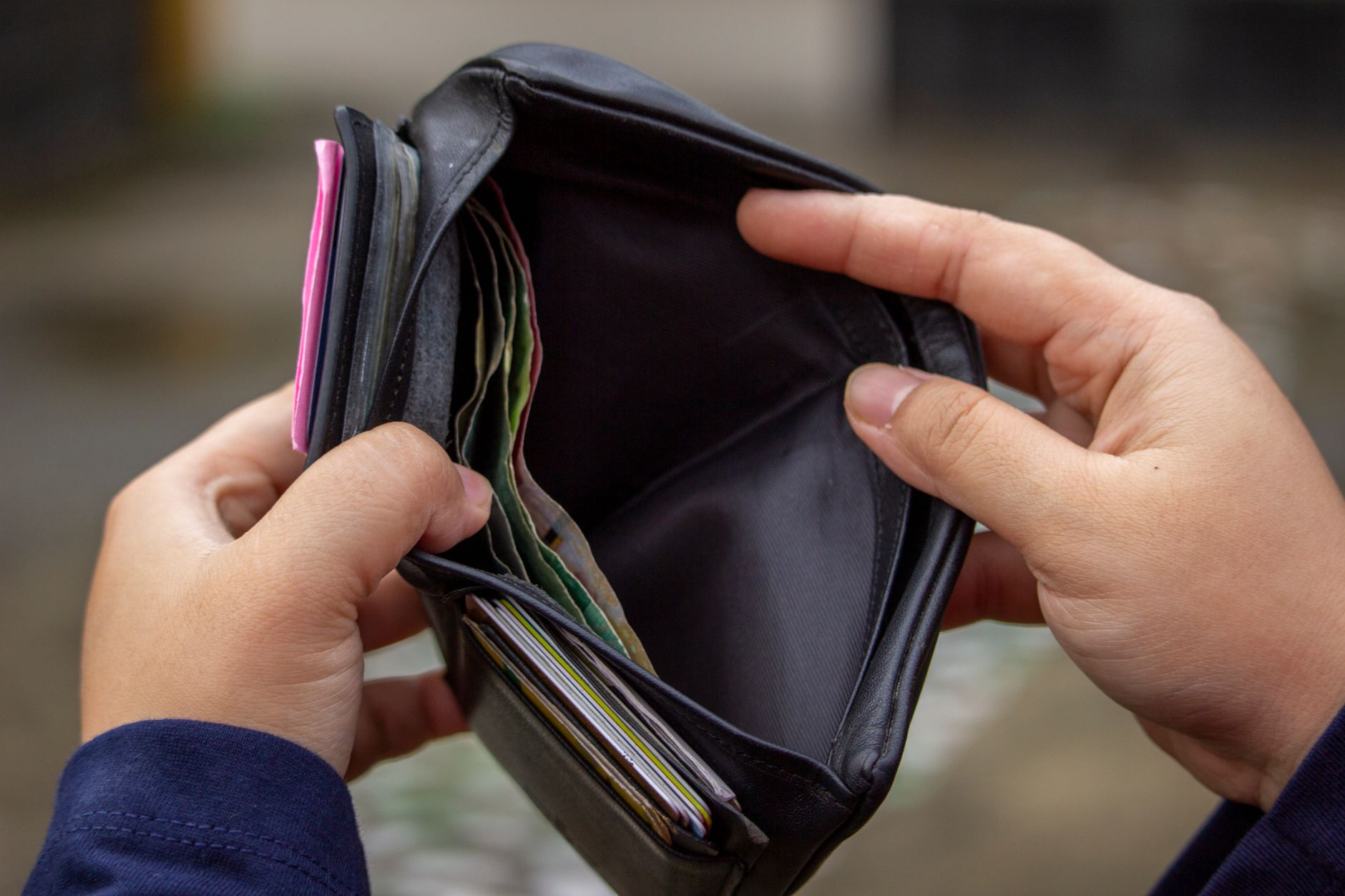
Nobody really warns you about what happens the first time a leasing office runs your name. You find a place that fits what you can afford, send over the application, and the manager calls back asking for two months of rent upfront just to hand over the keys. It’s almost never because of unpaid debt. The file is just empty.
Graduating and having zero debt feels like the smart move. You avoided credit cards, didn't finance anything, and paid for gas with debit. But having literally no credit paper trail creates an instant problem the second you need an apartment in your own name.
The Real Cost of a Blank File
Lenders call this having a thin file. Underwriters don't see someone who was careful with money; they just see a giant question mark with zero proof that bills get paid on time.
That lack of data costs money immediately:
- Utility deposits: Power and gas companies routinely charge $150 to $250 deposits before they will turn on a meter for someone without history.
- Terrible car loans: If you need a basic car for work, subprime lenders slap on 14% to 18% interest without blinking.
- Tiny bills cause big drops: A forgotten $40 clinic visit or a router from an old college apartment gets sent to collections. When you have only one starter account, that single hit knocks 50 points off the score.
Scammers Love Quiet Files
Identity theft hits young adults all the time because almost nobody in their early twenties checks their credit profile. Someone grabs a Social Security number off an unencrypted application, opens a retail store account, buys a bunch of electronics, and walks.
That balance sits there unpaid, stacking up 30-day and 60-day late marks while you’re busy at work.
People usually only find out when an apartment application gets denied or a phone company wants a huge deposit for a basic plan. That’s why a lot of entry-level workers rely on top credit monitoring apps to flag unapproved inquiries the second a bank pulls their data. Getting an alert straight to your phone gives you time to dispute the fraud before a landlord pulls your background and tosses the application.
Three Rules to Actually Build a Score
Building a real score doesn't take complicated tricks. It comes down to basic habits:
- Keep card usage low. If a starter card has a $500 limit, putting a $350 repair on it wrecks your credit utilization ratio. The models penalize high balances even if you pay the full balance every Friday. Keep it under thirty percent.
- Autopay the minimums. Missing a due date by thirty days stays on your file for seven full years. Setting up automatic minimum payments keeps a clean streak going.
- Leave your first card open. The age of your accounts matters a lot. Canceling an older starter card shortens your credit history and shrinks your overall limit.
Conclusion
Moving cities and starting a job is already stressful enough. Dealing with double security deposits, predatory interest rates, or surprise collection letters makes basic living way more expensive than it needs to be. Keeping an eye on your file, fighting bad marks right away, and paying small card balances on time keeps everything clean. When it's time to sign a lease or buy a car, your credit works for you instead of getting in the way.