
The face behind the trading screenshots: checking crypto “mentor” accounts
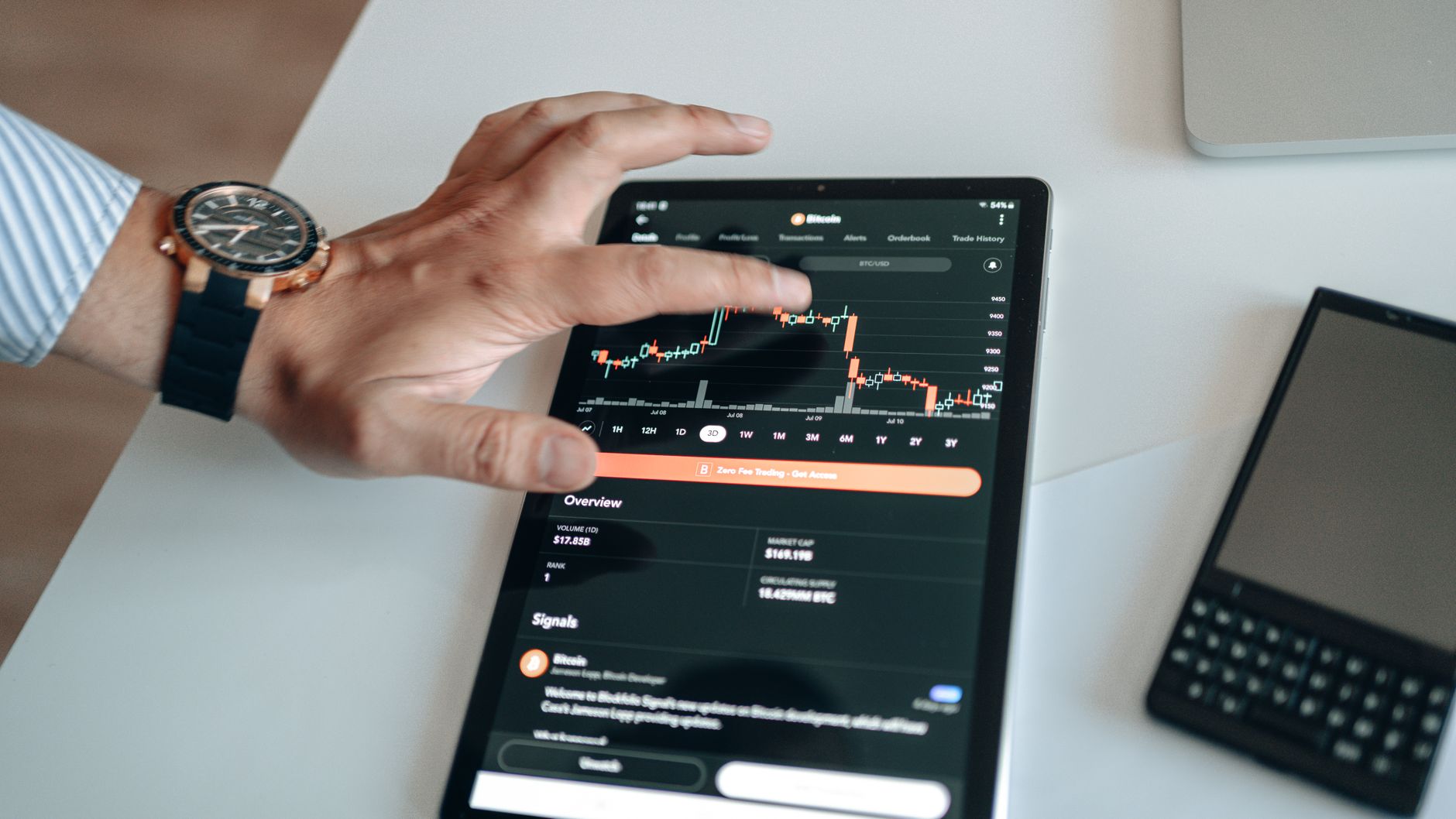
The grid is all lifestyle. A sports car outside a glass-fronted villa. Business-class seats. A laptop by an infinity pool, the screen covered in green candles. In between, screenshots of trades with eye-watering profits, and a caption that ends the same way every time: "DM me 'START' to learn how."
Some of these accounts are real traders who like to show off. Many are something else: the front end of an investment scam, built to move you off Instagram and into a platform where your money goes in and never comes out. The account's look is the bait, and the face at the center of it is often borrowed.
Here's how to check a crypto "mentor" before you trust them with anything.
How these scams usually unfold
- First contact. You follow a trading account, comment on a post, or receive a DM out of nowhere. The tone is friendly and generous: free tips, a "small community," no pressure.
- The move. You're invited to a Telegram channel or WhatsApp group full of enthusiastic members (often fake) posting their profits.
- The platform. You're pointed to a specific trading app or website. Your first small deposit shows healthy gains, and sometimes you're even allowed one small withdrawal to build trust.
- The escalation. You're encouraged to invest more, maybe for a special signal, a VIP tier, or a limited window.
- The trap. When you try to withdraw properly, there's a problem: a tax, a verification fee, a frozen account. Each fee unlocks another.
Versions of this are sometimes called "pig butchering" scams, because victims are built up over weeks before the losses begin. Some start as friendships or romances rather than trading accounts.
Check 1: Treat screenshots as decoration
Profit screenshots prove nothing. They can be edited, generated by demo accounts, or taken from someone else's feed. The same goes for screenshots of bank balances, payout confirmations, and "student results."
Instead of asking whether the screenshots look real, ask what a genuine trader would be able to show you: a verifiable track record through a regulated firm, a public identity, and a business that doesn't depend on recruiting you.
Check 2: Reverse-search the lifestyle photos
The villa, the car, and the yacht are usually not theirs. These images are often lifted from rental listings, stock libraries, car dealership pages, or other influencers.
Save a few and run them through a reverse image search such as Google Lens. If the "mentor's" car turns up on a dealership's website, or the villa is a holiday rental anyone can book, you've learned something useful about how honest the account is.
Check 3: Check the face
The face is the part most people trust without thinking, and it's often the most borrowed part of the account. Some scam accounts use photos of real, mid-sized influencers. Others use the same handsome stranger across dozens of accounts with different names.
To check, search for the face rather than the picture. A face-search tool lets you find instagram account by photo by matching the mentor's face against public profile photos and public web pages, which can reveal the real person behind the images, or show the same face used under several names. The Facial Recognition app does this. It's free to download on Android, with face searches on a paid in-app subscription, and it can only see public content.
If the face belongs to an established account with a completely different name and career, the mentor account is almost certainly fake. If it belongs to the same person under several trading brands, that's a different red flag.
Check 4: Check the platform and the person against regulators
Investment firms and advisers are usually required to be registered with a financial regulator.
- In the US, FINRA's BrokerCheck lets you look up brokers and firms, and the SEC publishes investor alerts about fraudulent schemes.
- In the UK, the Financial Conduct Authority keeps a public register of authorized firms and a warning list of firms it believes are operating without permission.
- Elsewhere, most national regulators have similar registers and warning lists.
If the trading platform you're being steered toward isn't registered anywhere, has a brand-new domain, or appears on a regulator's warning list, stop there.
Check 5: Listen to how they talk about money
The language gives a lot away.
- Guaranteed returns. No legitimate investment guarantees profits, and certainly not fixed daily or weekly ones.
- Urgency. "This window closes tonight." "Only three spots left."
- Secrecy. "Don't tell your bank, they'll block it." "Your family won't understand."
- Fees to withdraw. Being asked to pay before you can access your own money is one of the clearest signs of fraud.
If you've already sent money
- Stop sending more. Don't pay withdrawal fees, taxes, or "verification" charges. They lead to further requests.
- Contact your bank or the exchange you used to send funds as quickly as you can.
- Report it to the police and your national fraud-reporting service, and to your financial regulator. Report the Instagram account too.
- Save everything: messages, wallet addresses, transaction IDs, and the platform's web address.
Expect a second wave. People who've lost money to crypto scams are frequently contacted by "recovery experts" who promise to get it back for an upfront fee. That's usually the same scam in a new outfit.
The short version
Real traders don't need you to DM a keyword. Before you follow a mentor anywhere, check the photos, check the face, check the regulator, and keep your money where you can reach it.