
How Unexpected Weight Changes Can Disrupt Freight Transportation
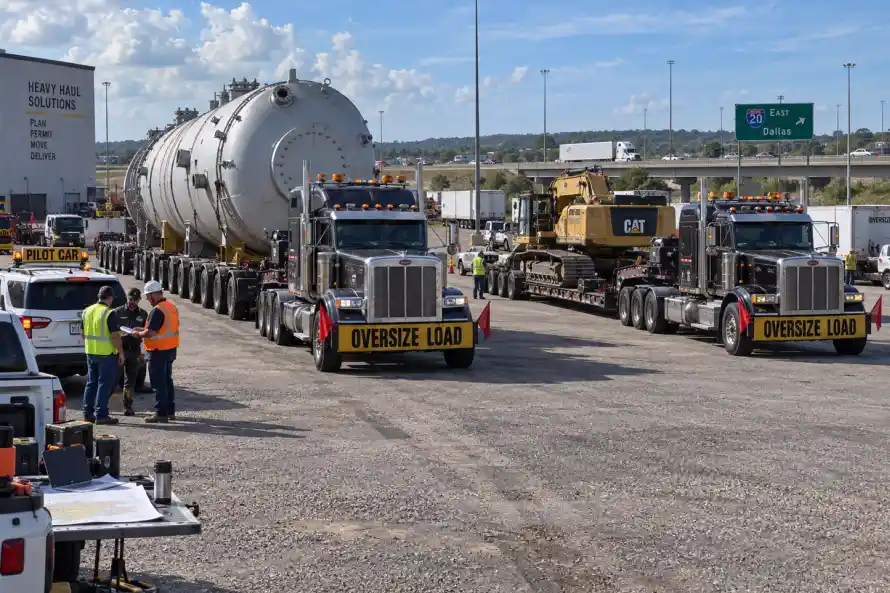
The weight listed in a transport order isn’t always the weight that ends up on the trailer. With used machinery, the figure may have been copied from an equipment manual years ago. Nobody checked it again because the same number appeared in previous shipping documents.
The mistake may go unnoticed until the machine is placed on the trailer and the loaded combination is weighed. By that time, dispatch has usually finished planning the move. A different weight means checking the permits again, even if the truck was supposed to leave within the hour.
The Weight Didn’t Change Overnight
An excavator might leave the factory with one set of specifications and spend the next ten years working with different attachments. A replacement engine or reinforced components can add weight, too. Those modifications don’t always make their way into the paperwork used when the machine is sold or moved to another site.
There are cases where the machinery matches its specifications, but the transport equipment causes the problem. Dispatch planned the move using one trailer, then had to substitute another. Its empty weight and axle layout aren’t necessarily identical, so the original calculations need checking.
That matters when arranging overweight trucking permits. A permit application may require the gross weight, axle loads and spacing. Replacing the trailer can make previously submitted figures inaccurate without changing the cargo at all.
What Happens When the Numbers Don’t Match
The first response shouldn’t be to send the truck out and hope the difference is insignificant. Dispatch needs to establish what changed and whether the existing permits still describe the combination.
A few things deserve another look:
- The loaded weight shown on the scale ticket.
- Weight carried by each axle group.
- The tractor and trailer listed in the permit application.
- Any route restrictions affected by the revised figures.
Sometimes moving the cargo slightly is enough to correct an axle imbalance. With heavy machinery, however, that adjustment may involve bringing a crane back to the yard and removing the securement equipment.
A route change can be equally inconvenient. A bridge approved for the original combination may not be suitable for the revised axle loading. The alternative could add considerable distance or require another permit review.
The Delay Doesn’t End at the Loading Yard
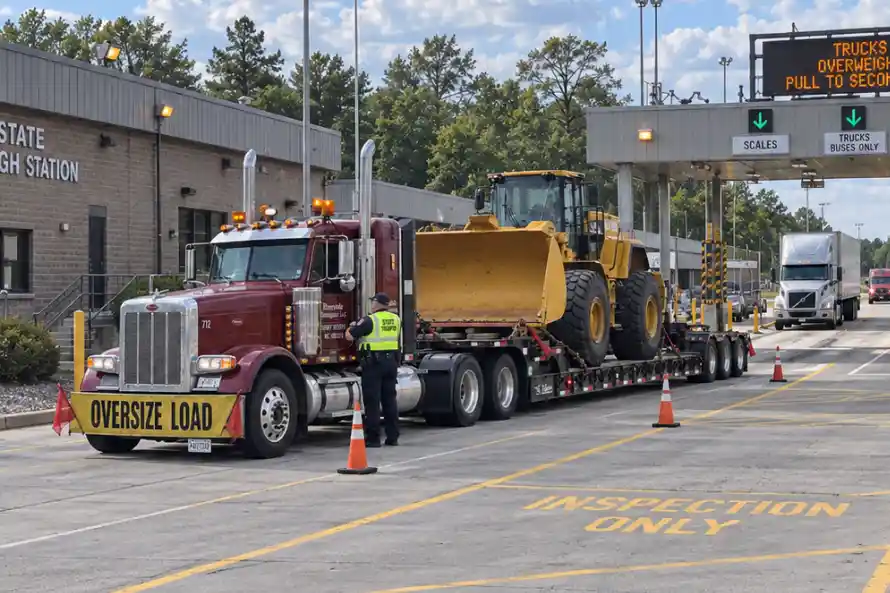 Imagine the discrepancy is discovered after the driver has crossed into another state. Now the carrier has to determine whether the permit remains valid and where the vehicle can safely stop while the issue is resolved.
Services such as Omnistar help carriers arrange permits, although the information used for those applications must match the actual shipment.
There may also be an argument over additional costs. The customer provided one weight, the carrier quoted transportation based on it, and the final load requires different arrangements. Original specifications and loading records become important when sorting out what happened.
A few minutes spent checking the numbers before dispatch can prevent a much longer conversation beside a loaded trailer.