
How to Select the Right Electric Power Washer for Residential Cleaning Jobs
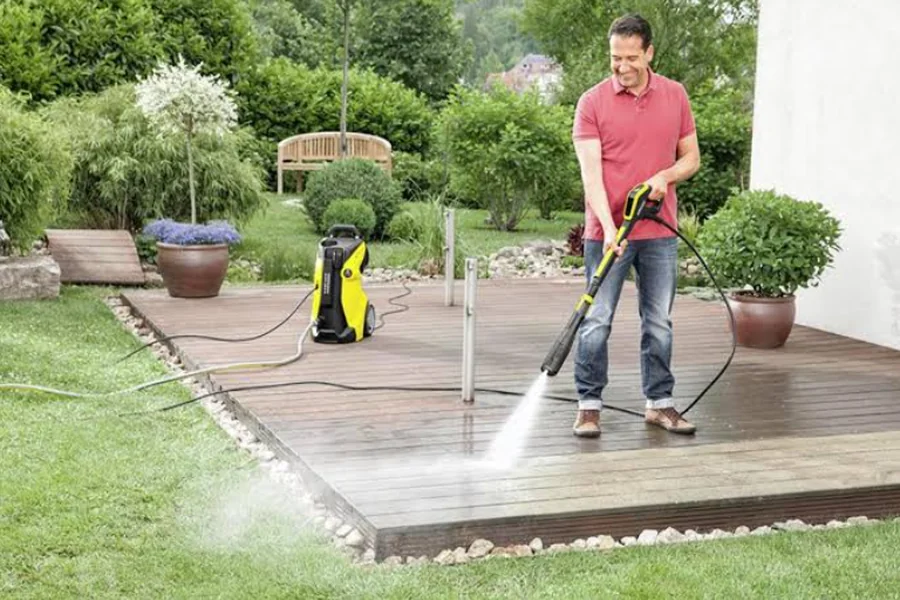
Not every outdoor cleaning task requires the same amount of pressure. Washing a concrete driveway is very different from cleaning painted siding or restoring a weathered deck. After working with pressure washers on residential properties for well over a decade, I’ve found that homeowners often focus on buying the most powerful machine available instead of choosing one that’s appropriately matched to the jobs they’ll tackle most often.
Selecting the right electric power washer starts with understanding your cleaning needs rather than chasing the highest PSI rating. Whether you’re maintaining patios, washing vehicles, cleaning fences, or removing seasonal grime from sidewalks, choosing the proper equipment makes cleaning faster, protects surfaces from unnecessary damage, and delivers better long-term value.
If you’re comparing models, reviewing a quality electric power washer collection alongside your specific cleaning requirements is a practical way to narrow your options before making a purchase.
Why Matching an Electric Power Washer to the Job Matters
Residential cleaning involves a wide variety of materials, each requiring a different level of pressure.
For example:
- Vinyl siding needs moderate pressure.
- Wood decks require careful cleaning to prevent splintering.
- Concrete driveways can tolerate much higher pressure.
- Vehicles benefit from lower pressure combined with proper detergent.
Using excessive pressure can damage paint, wood fibers, window seals, and landscaping. On the other hand, a machine that’s too small may require multiple passes and considerably more time.
Choosing appropriately means achieving better cleaning performance with less effort.
Understanding PSI and GPM Before Comparing Models
Many shoppers immediately compare PSI (pounds per square inch), but experienced users know that cleaning performance depends on balancing PSI with GPM (gallons per minute).
PSI Determines Cleaning Force
Higher PSI helps loosen stubborn dirt, mildew, algae, and grease.
Typical residential ranges include:
- 1,500–2,000 PSI: Cars, patio furniture, grills, bicycles
- 2,000–2,500 PSI: Decks, fences, siding, outdoor furniture
- 2,500–3,000 PSI: Concrete, brick, stone walkways, driveways
GPM Determines Cleaning Speed
Water volume is equally important.
A slightly lower PSI machine with higher GPM often cleans large surfaces more efficiently because it rinses away debris faster.
Professionals frequently evaluate both numbers together instead of relying solely on pressure ratings.
Consider the Surfaces You’ll Clean Most Often
Before selecting an electric power washer, make a list of the surfaces you plan to clean throughout the year.
Common residential applications include:
- Driveways
- Sidewalks
- Brick patios
- Composite decking
- Wood fencing
- Vinyl siding
- Outdoor furniture
- Boats and trailers
- Garbage bins
- Garage floors
This simple exercise often eliminates machines that are either too powerful or too limited for your needs.
Choosing the Right Nozzles Makes a Bigger Difference Than Many Realize
Many homeowners underestimate how much nozzle selection affects cleaning results.
Each spray angle changes the concentration of water pressure.
0° Nozzle
Produces a concentrated stream for extremely stubborn stains. It should be used carefully and only on appropriate hard surfaces.
15° Nozzle
Works well for concrete, stone, and heavily soiled driveways.
25° Nozzle
An excellent all-purpose choice for decks, patios, and fencing.
40° Nozzle
Best for vehicles, windows, outdoor furniture, and delicate materials.
Many modern electric pressure washers also include soap nozzles designed specifically for detergent application before rinsing.
Corded Electric Power Washers vs. Gas Models
One of the most common questions homeowners ask is whether electric or gas equipment makes more sense.
For most residential maintenance, electric models provide more than enough cleaning capability.
| Feature | Electric Power Washer | Gas Pressure Washer |
| Noise Level | Lower | Higher |
| Maintenance | Minimal | Routine engine maintenance |
| Starting | Push-button | Pull-start |
| Emissions | None during operation | Produces exhaust |
| Best For | Residential cleaning | Heavy commercial use |
Unless you’re regularly cleaning large commercial properties or construction equipment, an electric model typically offers sufficient performance with much less maintenance.
Features Worth Paying For
Certain features consistently improve the user experience without unnecessarily increasing cost.
Look for:
- Brushless motor technology
- Quick-connect nozzles
- Integrated detergent tanks
- Hose reels for easier storage
- Long power cords
- Durable metal spray wands
- Total Stop System (TSS), which automatically shuts off the motor when the trigger is released to reduce wear and conserve energy
These features may seem minor individually, but they make repeated cleaning jobs noticeably easier.
Practical Tips for Better Residential Cleaning Results
Professional-looking results depend as much on technique as equipment.
Keep these practices in mind:
- Start with the lowest effective pressure.
- Test a small, hidden area first.
- Maintain a consistent spray distance.
- Work from the top downward on vertical surfaces.
- Apply detergent before high-pressure rinsing when appropriate.
- Overlap each pass slightly to prevent streaking.
This approach produces more uniform cleaning while reducing the risk of surface damage.
Common Buying Mistakes to Avoid
After years of helping homeowners select pressure washers, several mistakes appear repeatedly.
Buying the Highest PSI Available
Higher pressure isn’t automatically better. Excessive force can permanently damage wood, paint, and siding.
Ignoring Water Flow
A machine with balanced PSI and GPM often outperforms one with higher pressure but lower water volume.
Overlooking Hose Length
Short hoses require frequent repositioning, making larger cleaning projects unnecessarily time-consuming.
Using the Wrong Nozzle
Improper nozzle selection is one of the leading causes of accidental surface damage.
Skipping Routine Maintenance
Even electric units benefit from flushing detergent systems, cleaning filters, and storing hoses properly after each use.
A Simple Buying Checklist
Before purchasing an electric power washer, ask yourself:
- What surfaces will I clean most often?
- How frequently will I use it?
- Do I need detergent capability?
- Is portability important?
- Will extension cords be necessary?
- How much storage space is available?
Answering these questions typically narrows the selection much faster than comparing dozens of specifications.
For additional guidance on safe pressure washer operation, the Occupational Safety and Health Administration (OSHA) offers recommendations for using powered equipment safely. Homeowners can also explore seasonal home maintenance resources from the U.S. Department of Energy, including tips for maintaining exterior surfaces and improving overall home efficiency.
Final Thoughts
The best electric power washer isn’t necessarily the one with the highest pressure rating. It’s the one that matches your home’s cleaning routine, the surfaces you maintain, and how often you plan to use it.
By considering PSI, GPM, nozzle selection, surface materials, and convenience features together, you’ll invest in equipment that delivers reliable cleaning performance without adding unnecessary complexity. Thoughtful selection today often translates into years of easier maintenance, cleaner outdoor spaces, and better protection for your home’s exterior.
Frequently Asked Questions
What PSI is best for residential cleaning?
For most household tasks, a pressure washer between 2,000 and 2,500 PSI provides an excellent balance of cleaning power and surface safety.
Can an electric power washer clean concrete?
Yes. Many electric models with appropriate PSI and the correct nozzle effectively remove dirt, mildew, and light stains from driveways, sidewalks, and patios.
Is an electric power washer safe for vehicles?
Absolutely. Using a wider spray nozzle, lower pressure, and automotive-safe detergent makes electric pressure washers ideal for washing cars, trucks, motorcycles, and RVs.
How often should I use detergent?
Detergent is especially useful for removing grease, mildew, algae, and organic stains. Always use cleaning solutions recommended for pressure washers and the specific surface being cleaned.
How long do electric power washers typically last?
With proper maintenance and seasonal storage, a quality electric power washer can provide many years of dependable residential use. Flushing the system after detergent use and protecting it from freezing temperatures significantly extends its service life.