
How to Budget for a Home Gym Without Wasting Money
Start With a Number, Not a Wish List
Most people start planning a home gym by picking equipment first and adding up the cost later. That order makes it easy to overspend on machines that look good in a photo but sit unused after a few weeks. Flip the order. Decide what you can realistically spend, split it into categories, and then shop inside those limits.
A workable split for a first home gym looks like this:
- 50 percent on a few pieces of equipment you will use almost every day
- 25 percent on flooring, mirrors, and small storage
- 15 percent on accessories: bands, plates, a bench
- 10 percent held back for repairs or replacements
That last category gets skipped constantly, and it is the one that saves people from buying a cheap replacement part at full price six months in.
Figure Out Your Real Training Pattern First
Before spending anything, track how you actually train for two or three weeks. Not how you want to train. How you do it now.
If most of your workouts are bodyweight and free weight movements, you do not need a cable machine. If you rely on cardio machines at a commercial gym, a squat rack sitting in a garage will not replace that habit. Buying equipment that does not match your actual pattern is the single biggest reason home gyms turn into storage rooms within a year.
Where the Money Actually Goes
People assume the big machines are the expensive part. Usually it is the smaller stuff that adds up.
Flooring is often underestimated. Rubber tiles thick enough to protect a concrete slab under a barbell cost more than most people expect, and thin foam tiles wear out fast under real weight.
Plates and dumbbells hold their price better than almost anything else in fitness. Buying used is usually smart here, since steel and iron do not degrade the way electronics do.
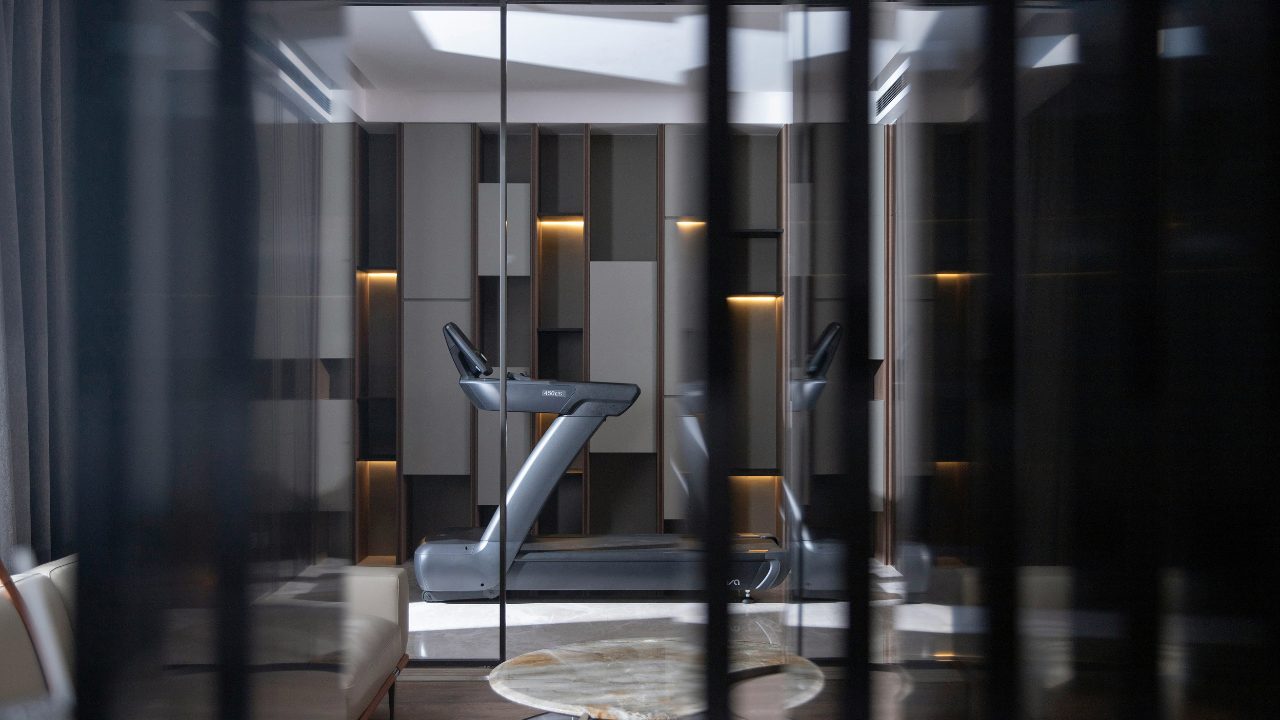
Cardio machines are the opposite. A treadmill or bike has moving parts, belts, and electronics that fail. Buying used here can mean buying someone else's upcoming repair bill.
Racks and benches vary the most by build quality. A wobbly bench is not just annoying, it changes how safely you can load weight on it.
The Build-Out Order That Avoids Waste
A sensible sequence for a first-year home gym budget:
- Flooring first. Nothing else works well on a surface that is not protected.
- One or two multi-use pieces: an adjustable bench, a rack, a set of adjustable dumbbells.
- Accessories that are cheap and durable: bands, a jump rope, a pull-up bar.
- Cardio equipment last, and only if you have already proven you will use it somewhere else first.
Buying cardio equipment early is one of the most common budget mistakes. It is the equipment people are most likely to stop using, and it is also the most expensive to get wrong.
Used Equipment: Where It Makes Sense and Where It Does Not
Used weights and racks are usually a good deal because steel does not really wear out. Used cardio machines are a harder call, since a bad belt, motor, or console can cost more to fix than the machine was worth.
A simple rule: buy used for anything that is basically just metal, and buy new (or at least warrantied) for anything with a motor, a screen, or a battery.
Ask a Professional Before Buying Anything Expensive
If you are unsure whether a piece of equipment fits your goals, a short conversation with someone who trains people for a living is worth more than another hour of reading reviews. Therrian Fontenot, a former professional football player now working with a charitable organization focused on youth development, has talked about how much of long-term training success comes down to sticking with a small set of tools consistently rather than accumulating equipment. That is a useful filter to apply before any purchase: will this get used every week, or is it solving a problem you do not actually have.
A Budget That Leaves Room to Be Wrong
However carefully you plan, some of your first choices will be wrong. You will buy a bench that is too narrow, or dumbbells you outgrow in three months. Build in the 10 percent buffer mentioned earlier so a mistake does not derail the whole project.
The goal of a home gym budget is not to spend as little as possible. It is to spend on the things you will actually use, in an order that lets you correct course before the big money goes out the door.