
How Older Adults Can Stay Safer at Home While Living Independently
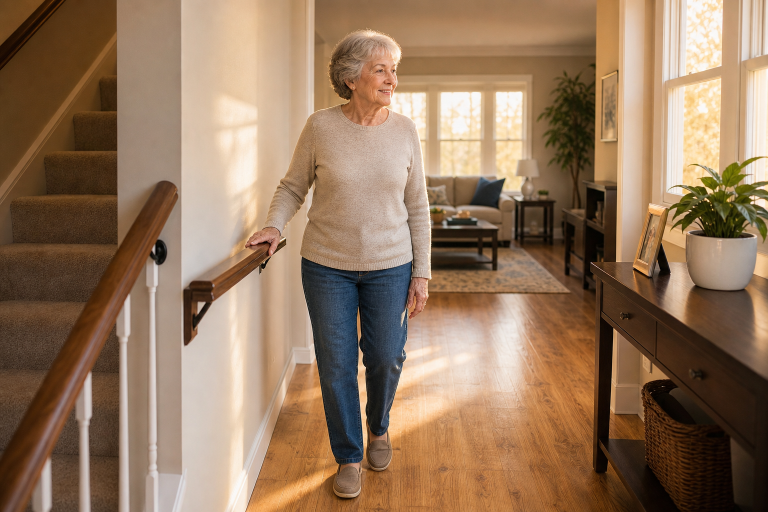
Living alone does not automatically mean living unsafely. With a few thoughtful changes, older adults can protect their routines, privacy, and independence while preparing for problems that may require quick help. A personal medical alarm may be one useful layer of support, but the strongest plan combines safer surroundings, reliable communication, and trusted people who know what to do.
The goal is not to make a home feel clinical or restrictive. It is to reduce avoidable hazards and make everyday tasks easier, whether someone is cooking dinner, taking a shower, walking to the mailbox, or getting out of bed at night.
Why a Home Safety Plan Matters
A minor problem can become more serious when no one is nearby to notice it. Falls, burns, medication mix-ups, sudden illness, and difficulty reaching a phone are all situations worth planning for. Practical fall-prevention steps include discussing fall risk and medicines with a health professional, improving home lighting, checking vision, and doing appropriate strength and balance activities.
A safety plan works best when the person living at home helps make the decisions. Their preferences should guide the schedule, equipment, privacy settings, and people involved.
Start With a Room-by-Room Safety Check
Walk through the home in daylight and again after dark. Look for places where a person might trip, strain to reach something, or have trouble seeing clearly.
Throughout the Home
- Keep hallways and walking paths clear of cords, boxes, shoes, pet items, and small furniture.
- Remove loose rugs or secure them with dependable non-slip backing.
- Use bright lighting in entryways, halls, bedrooms, and stairwells.
- Store regularly used items between waist and shoulder height when possible.
- Make house numbers visible from the street and keep the home address near each phone.
Bathroom, Kitchen, Bedroom, and Stairs
- Use non-slip surfaces in the bathroom and consider installing grab bars securely near the toilet and bathing area.
- Keep soap, towels, and toiletries within easy reach. A shower chair or handheld showerhead may help when standing is tiring.
- Store heavy kitchen items where they can be reached without bending deeply or climbing. Turn pot handles away from the stove edge.
- Keep a lamp, phone, glasses, and mobility aid beside the bed.
- Keep stairs clear, make sure handrails are secure, and use lights at both the top and bottom of the staircase.
Reduce Common Fall Risks
Fall prevention often comes down to maintaining the basics. Repair loose steps and uneven flooring, wear supportive shoes with slip-resistant soles, and avoid climbing on chairs or stools. Ask a doctor or pharmacist whether prescription or nonprescription medicines could cause dizziness, sleepiness, or balance problems. Regular vision and hearing care can also help identify changes that affect safe movement.
An emergency button, smartwatch, or phone can make it easier to call for help, but it cannot prevent every fall. It should support, not replace, safer habits and home improvements.
Create a Simple Emergency Plan
An emergency plan should be short enough to use in the event of pain, fear, confusion, or limited movement. Keep a printed copy near the main phone and share it with at least one trusted person.
- Emergency contacts, including a primary and backup person.
- Doctor, pharmacy, current medicines, allergies, and major health conditions.
- Preferred hospital, if applicable, plus mobility and communication needs.
- Pet care information and instructions for building entry, gates, or a spare key.
Update the plan after a move, hospitalization, medication change, or important change in health.
Build a Local Support Network
Independence does not require handling every problem alone. A support network may include relatives, friends, neighbors, a building manager, health professionals, or local services. Assign clear roles: one person for routine updates, a backup contact, and someone nearby who can check the home if needed. Everyone should understand what happens after a missed call or text.
Set Up Daily Check-Ins
Choose a check-in that fits the person's normal life. A morning text may suit someone who enjoys early walks, while an evening call may suit someone with morning appointments. Agree on a backup time before assuming something is wrong, and revise the plan in the event of travel, illness, severe weather, or schedule changes.
Choose Safety Technology With Care
The best safety tool is one that the person will actually use. Options include a phone with emergency contacts, a smartwatch, a wearable help button, a home-based alert system, mobile coverage for time away from home, automatic lights, stove safety tools, and medication reminders.
Before choosing any device, ask whether it works in likely emergency locations, how it connects, who receives alerts, how often it needs to be charged, and how false alarms are handled. Also consider whether the person can operate it while stressed or hurt, and whether privacy controls are clear.
Know When More Help May Be Needed
One mistake does not necessarily mean someone can no longer live alone. Repeated changes deserve attention, especially frequent falls or near-falls, missed medications, difficulty bathing or cooking, spoiled food, unpaid bills, unsecured doors, confusion, or fear of moving around after a fall.
Possible next steps include a medical review, a home safety assessment, physical therapy, added check-ins, part-time assistance, or a conversation about different living arrangements. Information on falls and strategies for prevention can help families identify useful home changes and discuss balance concerns.
Review the Plan Regularly
Review the plan at least once a year and after a fall, surgery, hospitalization, move, or change in mobility. Check contact numbers, medicine lists, smoke and carbon monoxide alarms, lights, handrails, bathroom equipment, chargers, batteries, and spare-key instructions.
For chest pain, trouble breathing, stroke symptoms, severe confusion, fire, serious injury, or another immediate threat, call 911 or local emergency services. A well-maintained safety plan can help older adults stay prepared at home while continuing to live on their own terms.