
Digital Toll Payments in India: Adoption, Savings and Errors
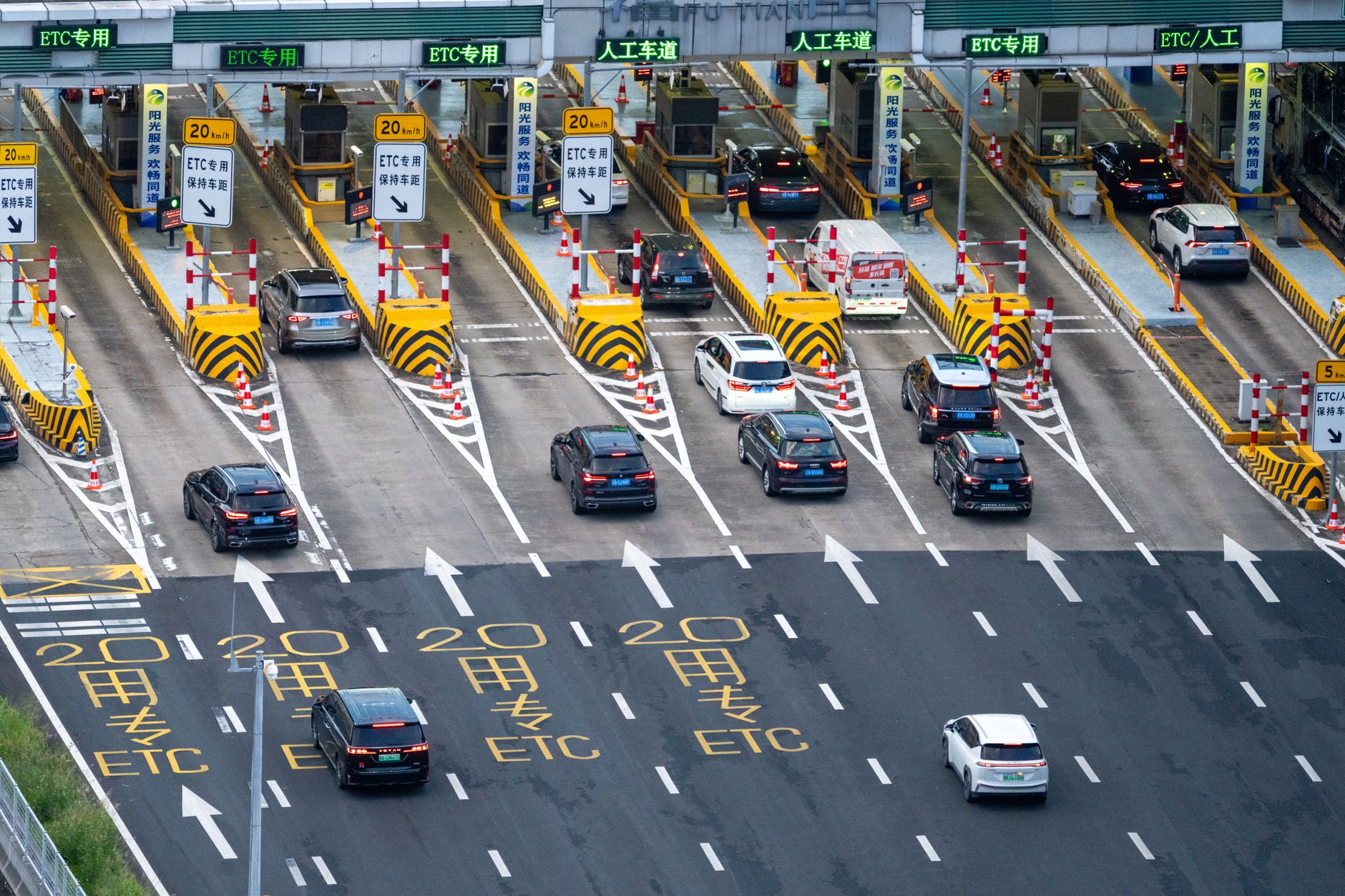
There was a time when every toll plaza on a highway meant a slow crawl toward a booth, a hand out the window, and change counted out while a line built up behind you.
That entire experience has largely disappeared from national highways now, replaced by a system that reads your vehicle and deducts the fare before you've even fully registered passing through.
Worth looking at how completely this shift actually happened, what it saves, and where it still occasionally goes wrong.
How Widely Has Digital Toll Payment Actually Been Adopted?
Remarkably widely, and remarkably fast once it actually got going. Barely a decade ago, digital toll payments made up a tiny sliver of total collections, with cash still handling the vast majority of transactions at plazas across the country.
That flipped hard once FASTag became mandatory at every national highway plaza, and today more than nine out of every ten toll payments happen electronically rather than through cash. Very few people crossing a toll plaza today are actually reaching for their wallet anymore.
What Made Adoption Jump So Quickly?
Mostly a mix of convenience and consequence. Once dedicated electronic lanes existed at every plaza and cash lanes started disappearing, the convenience side of the equation became obvious on its own.
The consequence side mattered just as much, though.
Once FASTag became mandatory nationwide, a vehicle without one, or with an insufficient balance, started facing double the applicable toll fare instead of the normal amount. Given that penalty, adoption stopped being a matter of preference for most drivers and simply became the default way to travel.
What Does This Actually Save Drivers in Practice?
Time, mostly, and a fair bit of fuel that used to burn away while idling in a slow-moving line. A vehicle that doesn't stop at all uses noticeably less fuel over a stretch of frequent tolls than one crawling through a queue and restarting from a standstill each time.
For anyone driving a regular highway route often, whether for work or for a longer commute, this adds up over a year in ways that aren't always obvious trip by trip.
Is There a Newer Option Beyond the Standard Tag Now?
Yes, and it's worth knowing about if you drive frequently. An annual pass was introduced for private vehicles, priced at ₹3,000 and covering up to two hundred toll crossings across a year on eligible highway stretches.
For someone who crosses tolls often enough, this can work out to a meaningfully lower cost than paying per crossing individually, and it's meant to sit alongside the regular tag rather than replace it for occasional drivers.
Longer term, the government has also been piloting satellite-based, barrier-free tolling on select stretches, aiming to charge based on actual distance traveled rather than a fixed amount per plaza, though this exists alongside the current system for now rather than instead of it.
How Do You Actually Keep Payments Moving Smoothly?
Mostly by keeping the linked balance funded, which sits entirely on the driver's side of things. Recharging a prepaid toll wallet usually happens through a UPI app, a card, or net banking, whichever is quickest at the time. A few habits genuinely help here:
- Set up an automatic recharge if your issuer supports it, so the balance rarely runs dry without warning.
- Check the transaction history occasionally rather than assuming every deduction matched the correct toll amount.
- Keep the registered mobile number current, since balance alerts and confirmations land there.
What Kinds of Errors Actually Show Up in Digital Toll Payments?
A handful, and most are fixable if caught in time. A double deduction can happen due to a system glitch or a plaza logging the same crossing twice. A tag can get wrongly classified under a different vehicle category, leading to an incorrect fare.
Balance can also get frozen, or the tag blacklisted over an unrelated dispute, catching a driver off guard at a plaza where they didn't expect trouble.
Most issuers allow a dispute to be raised through their own app or customer support, and unresolved cases can typically be escalated further through the toll operator or the relevant ombudsman channel if a fair resolution doesn't come through initially.
Mistakes People Make With Digital Toll Payments
- A lot of drivers assume every deduction is automatically correct and never actually check their transaction history against their own travel.
- Some let their balance run low on a long trip, only realizing it at the plaza when a penalty charge applies instead of the normal fare.
- Others assume the annual pass suits everyone, when it only makes sense for someone crossing tolls often enough to actually benefit from the flat cost.
- And plenty never update their linked mobile number after switching phones or numbers, missing alerts that would've flagged a problem early.
The Bottom Line
Digital toll payment went from a rare convenience to the overwhelming default in a remarkably short span, and it genuinely saves time and fuel for anyone who drives highways with any regularity.
It isn't flawless, though, and errors still show up often enough to be worth watching for. Keeping the balance funded, checking transactions occasionally, and knowing how to raise a dispute when something looks off is what actually makes this system work in your favor rather than against it.