
Building Emotional Strength Through Structure, Support, and Healthy Daily Habits Consistently
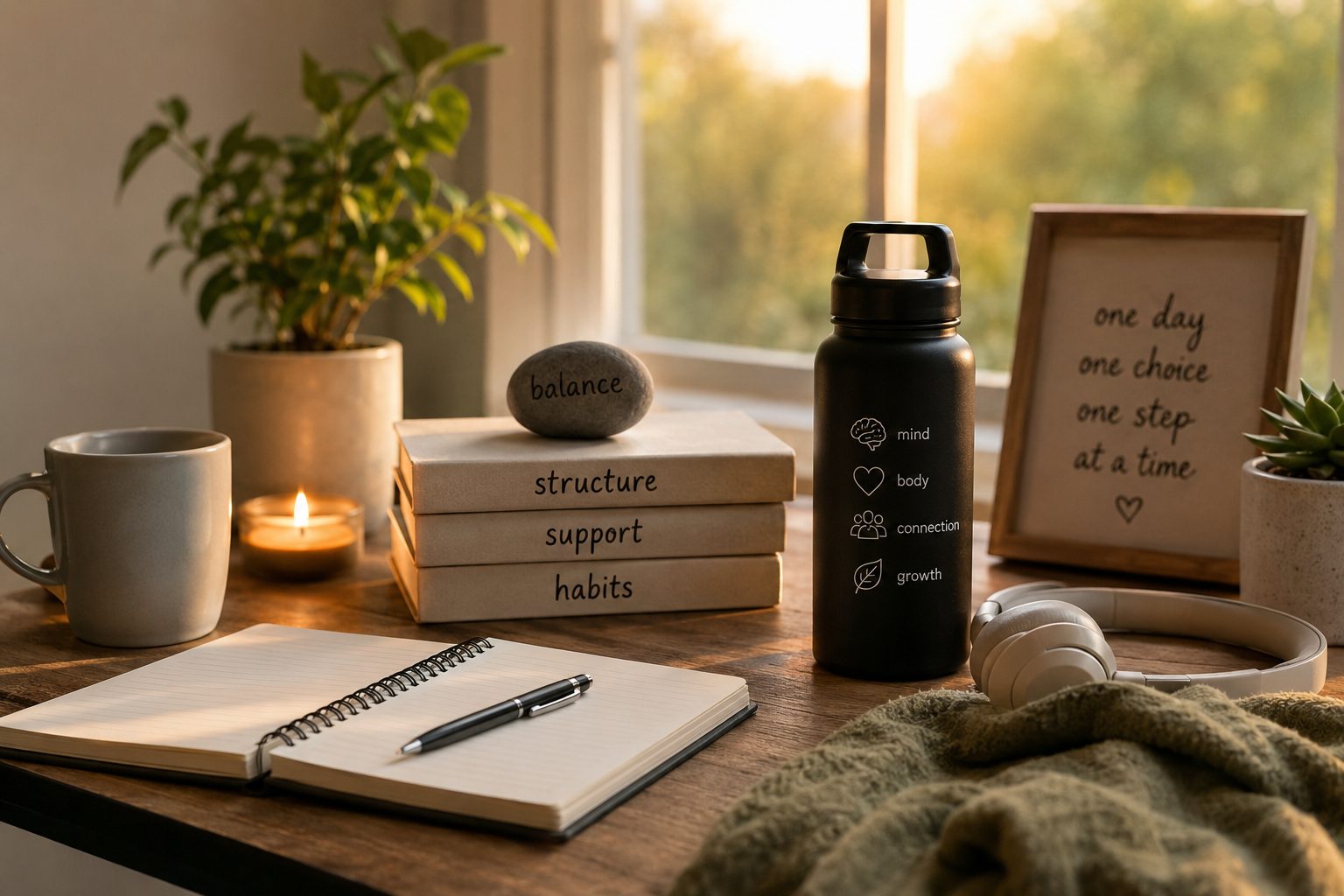
Emotional strength is often misunderstood as something people either have or don’t have. In reality, it is built slowly—through repeated choices, steady routines, and the willingness to keep going even when things feel uncertain. For many people navigating recovery and personal change, emotional resilience becomes less about willpower and more about the structure surrounding daily life.
When life feels unpredictable, especially in early recovery stages, stability doesn’t come from one big breakthrough. It comes from small anchors repeated every day. A consistent routine, supportive relationships, and intentional habits can gradually reshape how a person responds to stress, triggers, and emotional discomfort. This is where long-term emotional strength begins to take root.
The Role of Structure in Emotional Stability
Structure is often underestimated because it sounds restrictive. In practice, however, structure creates freedom. Without it, the mind tends to drift into overwhelm, impulsivity, or emotional fatigue. With it, there is a clearer sense of direction.
A structured day doesn’t need to be rigid or overly detailed. It can be as simple as waking up at a consistent time, planning meals, setting aside time for rest, and creating space for reflection. These small patterns reduce mental clutter and help the brain feel safe enough to focus on healing.
Emotional strength grows in environments where predictability exists. When someone knows what their day generally looks like, they are less likely to be derailed by unexpected stress. Over time, this predictability builds confidence. It reinforces the idea that life can be managed one step at a time.
Even simple routines—like making the bed in the morning or taking a short walk after meals—send signals to the brain that life is organized and manageable. These signals accumulate, slowly strengthening emotional regulation.
Support Systems That Reinforce Inner Strength
No one builds emotional resilience alone. Human connection plays a central role in how people process emotions and navigate difficult moments. Support doesn’t always have to be formal or structured; it can come from friends, family members, peers, or even quiet accountability partnerships.
What matters most is consistency. A supportive presence doesn’t necessarily solve problems, but it helps make them feel less overwhelming. Being able to speak openly about struggles reduces emotional pressure and prevents isolation, which is often one of the biggest barriers to stability.
In many cases, people also seek out sobriety resources during recovery journeys to better understand their emotions and develop coping strategies. These resources often emphasize shared experiences, encouragement, and practical tools that help individuals stay grounded. While each person’s path is unique, the presence of others walking similar roads can make emotional challenges easier to face.
Support systems also help reinforce accountability. When someone knows they are not alone, they are more likely to stay committed to their routines and personal goals. This connection creates a feedback loop: support strengthens consistency, and consistency strengthens emotional resilience.
Healthy Daily Habits as Emotional Training
Habits shape emotional strength more than most people realize. Each small action repeated daily becomes a form of training for the mind and body. Over time, these habits influence how a person responds to stress, disappointment, and uncertainty.
One of the most important habits is sleep. Rest is the foundation of emotional regulation. Without enough sleep, the brain struggles to process emotions clearly, leading to irritability, impulsivity, and reduced patience. Prioritizing consistent sleep schedules helps stabilize mood and improves decision-making.
Nutrition also plays a key role. Regular, balanced meals help regulate energy levels and reduce emotional volatility. When the body is nourished, the mind is more capable of handling stress without becoming overwhelmed.
Movement is another essential habit. Physical activity doesn’t need to be intense or structured. Even daily walking or stretching can release built-up tension and improve mental clarity. Movement also reinforces the idea that the body is capable and strong, which supports emotional confidence.
Equally important are mental habits, such as journaling, mindfulness, or simply taking moments of pause throughout the day. These practices help individuals become more aware of their emotional patterns. Awareness is the first step toward change. Without it, emotions can feel unpredictable or uncontrollable.
Over time, these daily habits create a foundation of stability. They don’t eliminate challenges, but they increase the ability to handle them without feeling overwhelmed.
Consistency: The Quiet Builder of Resilience
Consistency is often the hardest part of emotional growth. Starting strong is easy, but maintaining effort over time is where real transformation happens. Emotional strength is not built in moments of motivation but in moments of repetition—especially when motivation is low.
There will always be days when routines feel unnecessary or support feels distant. What matters most during those moments is returning to the structure already in place. Consistency doesn’t require perfection; it requires return. Every time someone comes back to their habits after disruption, resilience deepens.
This is especially true for individuals exploring sobriety resources and recovery frameworks. Progress is rarely linear. There are ups, downs, and pauses along the way. But each return to structure is a reinforcement of personal strength. It sends a message: setbacks do not define the journey.
Over time, this repetition builds trust within oneself. That internal trust becomes one of the strongest forms of emotional stability.
Managing Emotional Challenges with Grounded Practices
Emotional challenges are unavoidable. Stress, grief, anxiety, and uncertainty are part of human experience. The goal is not to eliminate these feelings but to develop healthier ways to respond to them.
Grounded practices can help bridge the gap between emotional intensity and thoughtful response. Simple techniques such as deep breathing, stepping away from triggering environments, or focusing on physical sensations can help regulate emotional reactions.
Writing thoughts down is another powerful tool. It creates distance between the individual and the emotion, making it easier to understand what is actually being felt. Often, emotions become more manageable once they are expressed rather than held internally.
Over time, these practices reduce emotional reactivity. Instead of reacting impulsively, individuals learn to pause, observe, and choose how to respond. This shift is a key marker of emotional maturity and strength.
Building a Lifestyle That Supports Long-Term Balance
True emotional strength is not built through isolated actions but through an overall lifestyle. Structure, support, and habits must work together consistently to create lasting change.
A balanced lifestyle does not require perfection. It requires alignment—where daily choices reflect long-term goals. This might include setting boundaries, prioritizing rest, staying connected with supportive people, and continuing to learn healthier coping strategies.
The more aligned daily life becomes, the less energy is spent on internal conflict. This allows emotional strength to grow naturally rather than being forced.
Over time, what once felt like effort becomes identity. A structured and supportive lifestyle gradually reshapes how a person sees themselves—not as someone trying to stay stable, but as someone who lives with stability.
Final Thoughts
Emotional strength is not a fixed trait; it is a continuous process shaped by structure, relationships, and daily habits. Small, consistent actions build resilience far more effectively than occasional bursts of effort.
For those seeking stability and growth, especially when exploring sobriety resources, the path forward is built on repetition, support, and patience. Every routine kept, every supportive conversation, and every healthy habit practiced contributes to a stronger emotional foundation.
Over time, these steady choices become more than habits—they become the framework for a balanced and resilient life.