AI Face Scanner Technology: From Facial Feature Detection to Personalized Style Recommendations
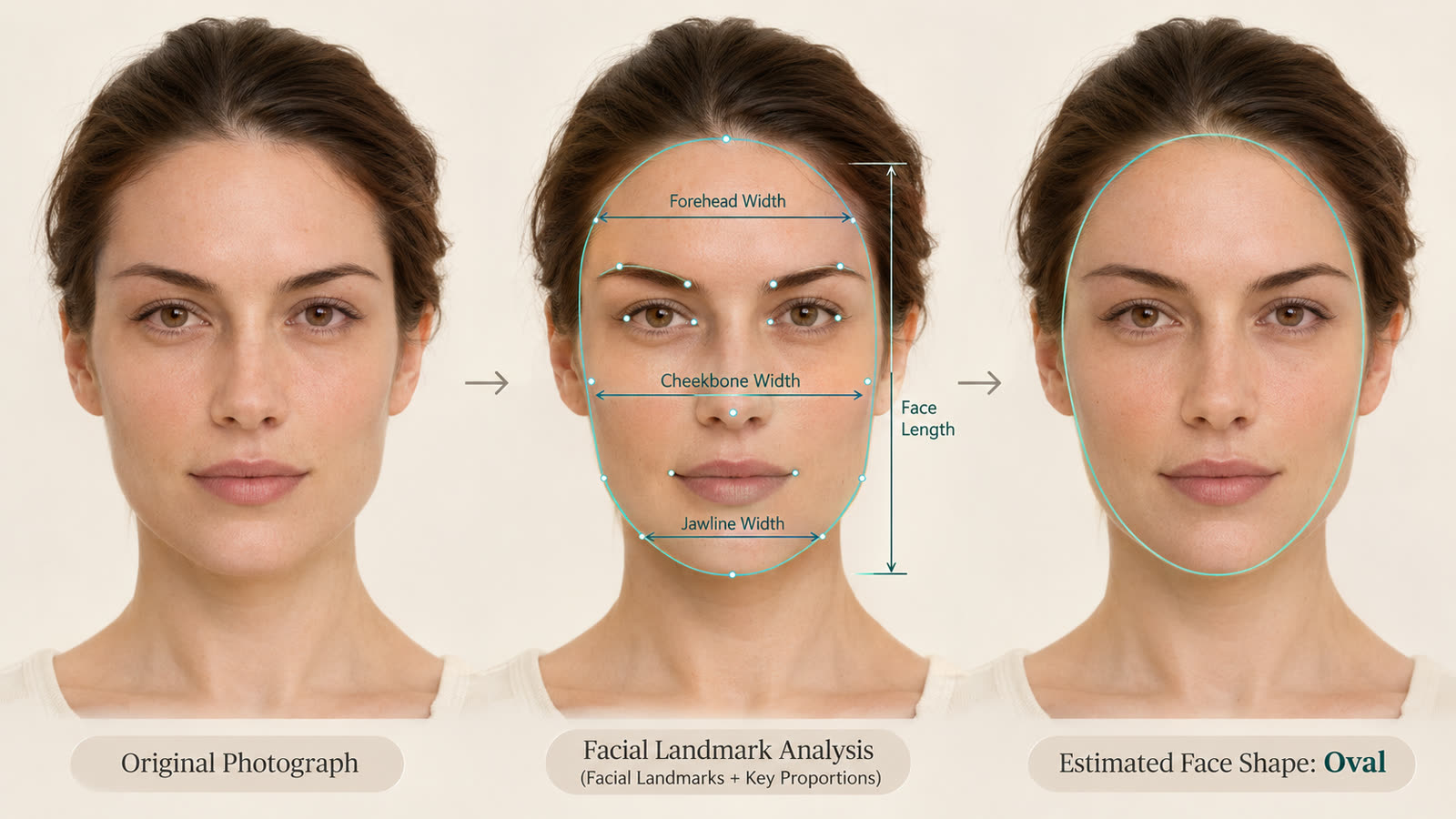
Your facial structure can influence how different hairstyles, glasses frames, and makeup techniques complement your appearance. However, identifying your face shape by looking in the mirror is not always straightforward, especially when your features resemble multiple categories.
An AI-powered face scanner simplifies this process by analyzing facial proportions from a photograph. Facefy helps users understand their facial structure and make informed styling decisions without manually measuring individual features.
This guide explains how AI face scanning technology works, which facial characteristics it examines, and how its results can support personalized style recommendations.
What Is a Face Scanner?
A face scanner is a digital tool that uses image analysis technology to examine facial features, contours, and proportions. Although face scanning is commonly associated with biometric identification, it also has practical applications in beauty, fashion, grooming, and virtual styling.
Unlike facial recognition systems designed to verify identity, appearance-focused face scanners examine visible facial characteristics, including:
- Estimated face shape and structural characteristics.
- Facial proportions and feature relationships.
- Forehead, cheekbone, jawline, and chin contours.
- Facial symmetry and natural asymmetry.
- Characteristics relevant to hairstyle and grooming decisions.
These insights provide a structured starting point for understanding your appearance.
How an AI Face Scanner Analyzes Your Face From a Photo
AI face scanning technology uses computer vision to identify visible facial features and examine their geometric relationships.
For users interested in applying this technology to everyday styling, Facefy offers AI-powered facial analysis tools that connect facial feature detection with practical hairstyle exploration and personalized appearance insights.
Although implementation varies between platforms, the analysis generally involves four stages.
1. Face Detection
The system identifies the face within an uploaded photograph. A clear, unobstructed image helps distinguish facial contours from surrounding objects and background details.
2. Facial Landmark Detection
Facial landmarks are reference points associated with the eyes, nose, mouth, chin, and jawline. These points help software examine relationships between different facial features.
3. Facial Proportion Analysis
The system evaluates relative distances, widths, angles, and contours to determine whether the face appears elongated, rounded, angular, or tapered.
4. Face Shape Classification
Estimated proportions are compared with characteristics associated with common face shapes.
Facefy’s AI Face Shape Detector helps users identify which category most closely resembles their facial structure.
Results should be treated as informed estimates rather than definitive classifications.
What Does a Face Shape Detector Actually Measure?
Face shape analysis considers relationships between several facial dimensions.
Forehead Width
A relatively broad forehead combined with a narrower jawline may suggest characteristics associated with a heart-shaped face. Hairlines and hairstyles can influence how clearly this area appears.
Cheekbone Width
Cheekbone width represents the breadth of the middle face. Prominent cheekbones combined with a narrower forehead and chin are commonly associated with diamond-shaped faces.
Jaw Width and Angularity
Jawline width and contour help distinguish rounded, angular, and tapered facial structures. Square faces typically have more pronounced jaw corners than round or oval faces.
Face Length
Face length is generally assessed from the approximate hairline to the chin. Comparing length with width helps distinguish elongated face shapes from those with more similar dimensions.
Chin Contour
The chin may appear rounded, broad, pointed, or tapered. Its relationship with the forehead and cheekbones is more informative than its shape alone.
The Six Classic Face Shapes Explained
Face shape categories describe general patterns rather than strict anatomical definitions.
Oval Face Shape
Oval faces are generally longer than they are wide, with gently rounded contours and a gradually narrowing jawline.
Round Face Shape
Round faces typically have similar length and width measurements, fuller-looking cheeks, and softly curved contours.
Square Face Shape
Square faces commonly feature comparable forehead, cheekbone, and jawline widths, with pronounced jaw corners.
Heart Face Shape
Heart-shaped faces generally have a broader forehead and a narrower lower face, often tapering toward the chin.
Diamond Face Shape
Diamond-shaped faces feature cheekbones that appear wider than the forehead and jawline.
Oblong Face Shape
Oblong faces are noticeably longer than they are wide. Some classification systems distinguish rectangular faces based on jawline angularity.
Many people share characteristics from multiple categories, making natural variation entirely normal.
How to Use Face Scanner Results for Personalized Style Recommendations
The practical value of facial analysis lies in understanding how styling choices interact with your natural proportions.
Facefy’s face scanner provides a useful starting point for exploring individual facial characteristics beyond a basic face shape classification. Understanding these features can help you make more informed decisions about hairstyles, accessories, and grooming.
Choosing Hairstyles for Your Face Shape
Different haircuts can emphasize or soften particular facial characteristics:
- Oval faces: Layered cuts, bobs, textured crops, and various fringe styles.
- Round faces: Crown volume, longer layers, and side parts for vertical emphasis.
- Square faces: Soft layers, textured ends, and side-swept fringes.
- Heart-shaped faces: Chin-length bobs and waves around the lower face.
- Diamond faces: Face-framing layers and textured fringes.
- Oblong faces: Bangs, waves, and side volume for additional visual width.
Hair texture, density, maintenance requirements, and personal preferences should also guide your decision.
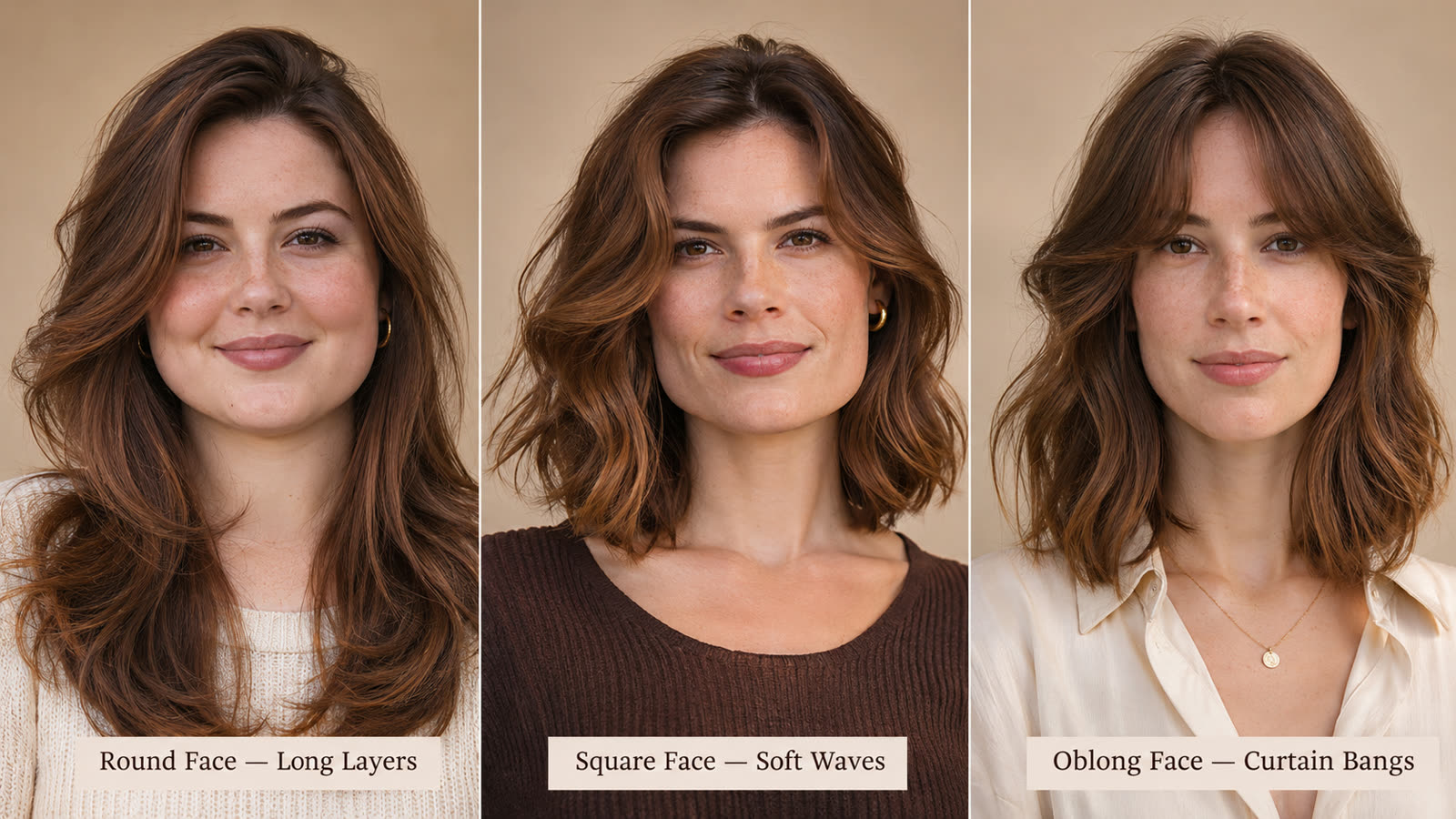
Before committing to a haircut, Facefy’s virtual hairstyle try-on lets you explore how different cuts and lengths might complement your facial proportions.
Selecting Glasses Frames
Angular frames can create contrast with rounded contours, while circular or oval frames may complement angular jawlines.
Cat-eye frames can emphasize cheekbones, while wider-bottom designs may complement a tapered lower face.
Frame size, bridge fit, comfort, and personal preference remain important.
Exploring Makeup and Grooming Techniques
Facial analysis can guide blush placement, contouring, eyebrow styling, and beard shaping.
Higher blush placement may create a lifted appearance, while different beard lengths can influence the perceived proportions of the lower face.
These techniques change visual emphasis without altering underlying facial structure.
AI Face Shape Detection vs. Traditional Face Shape Guessing
Traditional face shape identification often involves tracing your reflection or manually measuring facial dimensions.
AI face scanning reduces the need for manual measurements, evaluates multiple characteristics together, and provides a structured reference for styling decisions.
However, camera distortion, expressions, and obstructed features can influence automated results. Combining AI-generated estimates with personal observation can provide a more useful understanding of facial structure.
Face Scanning Technology vs. Facial Recognition
Facial recognition technology analyzes facial characteristics to identify or verify individuals. Common applications include smartphone unlocking, identity verification, and access control.
Appearance-focused face scanning instead examines visible proportions, contours, and structural characteristics.
Facefy focuses on appearance exploration and styling rather than identity verification.
Photo-based analysis also differs from dedicated 3D face scanning. A single photograph cannot necessarily reproduce the depth information captured by specialized three-dimensional equipment.
How to Get Better Results From an AI Face Scanner
Image quality influences how clearly facial landmarks can be identified.
For more consistent results:
- Use a clear, front-facing photograph.
- Position the camera at eye level and several feet away.
- Choose soft, even lighting.
- Maintain a relaxed, neutral expression.
- Pull hair away from facial contours.
- Remove accessories that obscure features.
- Avoid heavy filters and extreme head tilts.
Close-up selfies can exaggerate central facial features, while angled photographs may distort apparent facial width.
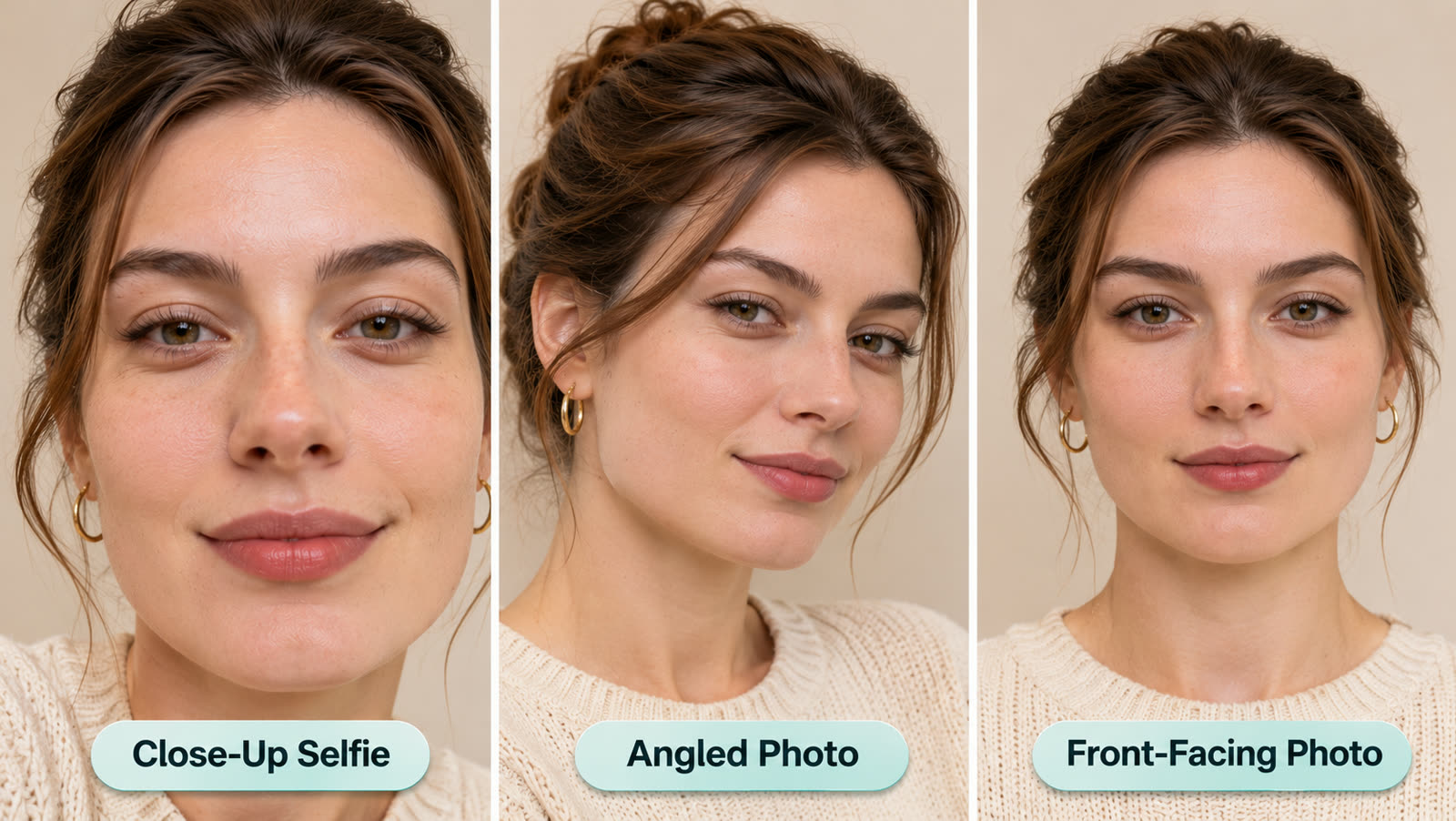
Compare photographs taken under similar conditions for greater consistency.
Privacy and Limitations of Face Scanning Technology
Facial photographs contain personal information. Before uploading images, review the platform’s privacy policy to understand how photographs may be processed, retained, or shared.
Only upload photographs you have permission to use.
AI face scanners cannot objectively determine attractiveness, diagnose medical conditions, or establish universally desirable facial characteristics.
Natural asymmetry and overlapping face shape characteristics are normal. Results are best interpreted as educational and styling guidance.
Frequently Asked Questions About Face Scanners
Is Facefy a Free Face Shape Detector?
Facefy offers a free face shape detection option. Availability and pricing for additional analysis features may vary.
Can Makeup, Glasses, or Facial Hair Affect Face Scanning?
Yes. Heavy contouring, large glasses, and thick facial hair can obscure important facial landmarks.
How Accurate Is an AI Face Scanner?
Accuracy depends on image quality, analytical methods, and facial visibility. Results are estimates rather than exact anatomical measurements.
Can a Face Scanner Recommend Hairstyles?
Facial analysis can help narrow hairstyle options, although hair texture, density, and personal preferences should influence the final decision.
Final Thoughts
AI face scanner technology offers a convenient way to understand facial proportions and explore personalized styling possibilities.
Facefy makes facial analysis practical by connecting feature detection with hairstyle exploration and everyday appearance decisions.
By using clear photographs and interpreting results thoughtfully, you can discover styles that complement your individual features.
Your facial structure is a useful styling reference, not a restriction on how you should look.