What Happens Before Your Car Is Loaded Onto a Transport Truck?
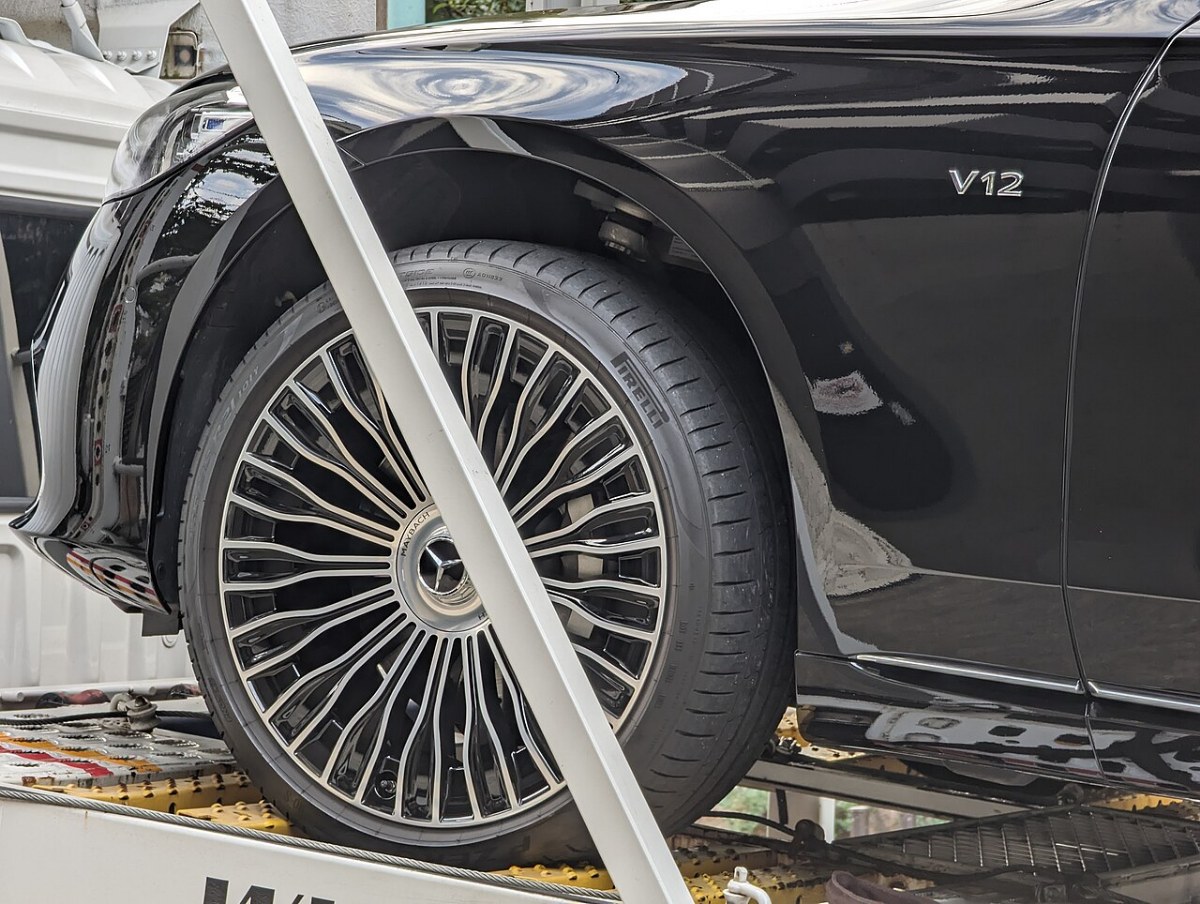
Shipping a car across the country might sound straightforward. You arrange a collection, hand over your keys, and wait for your vehicle to arrive at its destination. However, there’s considerably more happening behind the scenes before your car reaches the transport truck.
From checking vehicle dimensions to documenting existing damage, professional transport companies follow several steps to prepare vehicles for their journey.
Understanding this process can help you avoid delays, protect your vehicle, and feel more confident about handing it over.
Choosing the Right Transport Method
Before collection, the transport company needs to establish how your vehicle will travel.
Open transport is a common option, with cars secured onto trailers alongside other vehicles. It’s generally more affordable than enclosed transportation, although vehicles remain exposed to weather and road debris.
Enclosed transport provides additional protection and may appeal to owners of classic, luxury, or particularly valuable cars.
Vehicle size, weight, ground clearance, and mechanical condition can also influence the equipment required. Providing accurate information when requesting a quote helps the transporter prepare appropriately.
Confirming the Collection Arrangements
Once you’ve chosen a transport provider, the next step involves agreeing on collection arrangements.
People comparing car transporters in Las Vegas should consider more than the quoted price. Collection flexibility, insurance coverage, customer reviews, and communication are equally important.
Transport trucks are large vehicles, meaning some residential streets, apartment complexes, and narrow access roads may be unsuitable for collection.
In these situations, the driver might suggest meeting at a nearby parking area or another accessible location. Collection times can also change because of traffic, weather, and earlier deliveries, so allowing some flexibility is sensible.
Preparing Your Vehicle for Inspection
Before the truck arrives, it’s worth giving your car a thorough clean. Removing dirt makes existing scratches, dents, and paint damage easier to identify during the collection inspection.
Take clear photographs of the exterior from several angles, including close-up images of any existing damage.
It’s also sensible to photograph the odometer and keep copies of relevant booking documents. These records can be useful if questions arise about the vehicle’s condition after delivery.
Removing Personal Belongings
A car being transported shouldn’t be treated as an additional moving container. Loose belongings can shift during transportation, potentially causing damage inside the vehicle.
Many transport providers also restrict personal items because of weight limitations and insurance conditions. Remove valuables, electronic devices, parking passes, and other unnecessary belongings before collection.
Check the transport company’s specific requirements rather than assuming everything can remain inside.
Checking the Car’s Mechanical Condition
Transporters generally need vehicles to be capable of being driven onto and off the trailer unless specialist arrangements have been made.
Before collection, check the battery, tire pressure, fluid levels, and general running condition. Many companies recommend leaving approximately a quarter tank of fuel, providing enough for loading and unloading without adding unnecessary weight.
If the vehicle doesn’t run, inform the company in advance so appropriate loading equipment can be arranged.
Completing the Final Inspection
When the driver arrives, they’ll usually inspect the vehicle and record its condition on a document known as a bill of lading. This paperwork identifies existing damage and provides a reference for the inspection carried out at delivery.
Review the information carefully before signing, and make sure any visible damage has been recorded accurately. Once the inspection is complete, the driver can begin loading and securing the vehicle.