You probably play a number game at some point every week without thinking about it. Perhaps you finish a Sudoku on the train, or you cross off numbers at a bingo night. These pastimes feel modern, yet people have counted and arranged digits for thousands of years. Behind every grid and every drawn number sits a trail of curious inventors and clever mathematicians, and their stories might change how you see the games you play.
Dice and Boards in the Ancient World
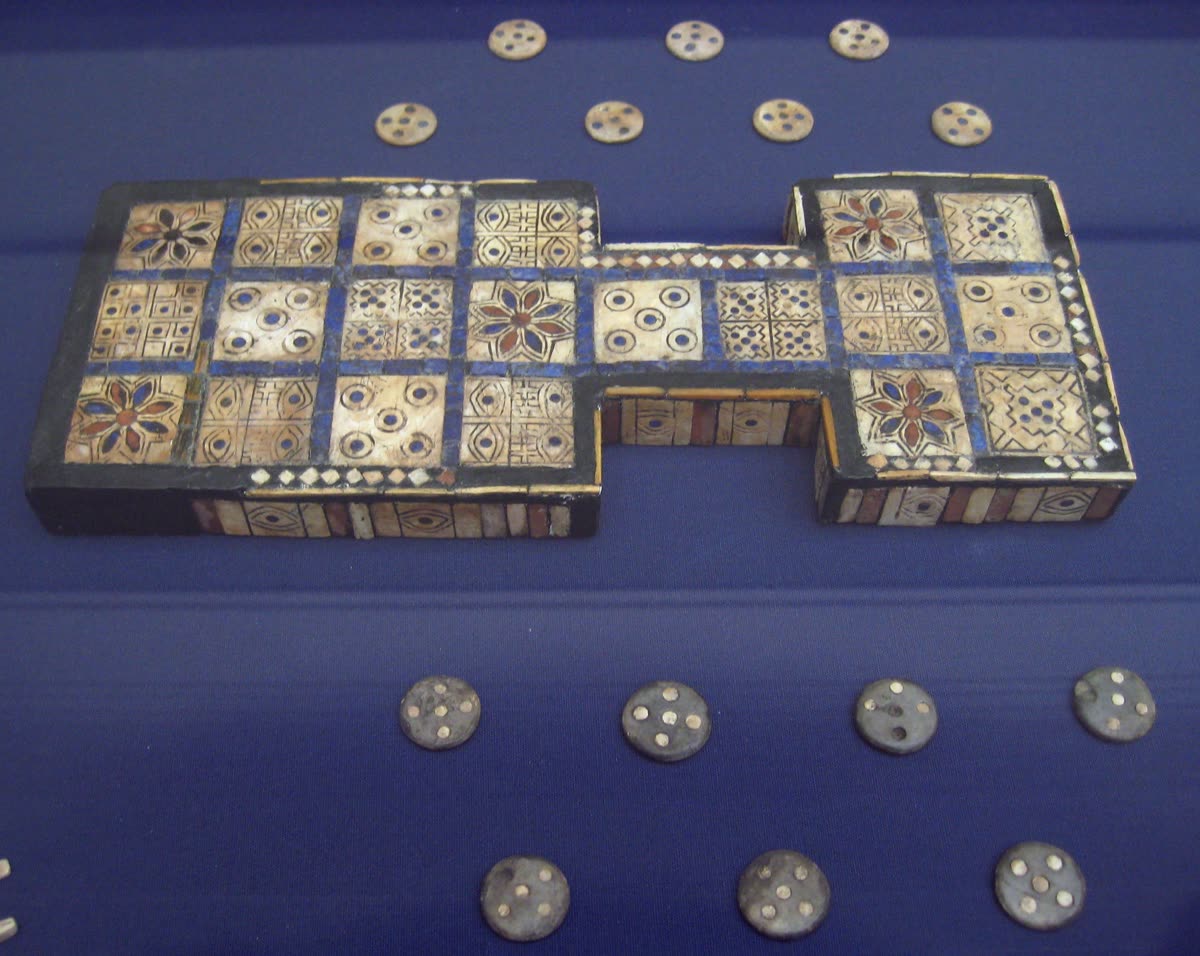
Long before printed grids existed, people in Mesopotamia and Egypt pushed counters along boards divided into squares. Archaeologists found the Royal Game of Ur, which dates to around 2600 BCE, in graves in modern Iraq, and Egyptians played Senet at a similar time or earlier. Players threw knucklebones or marked sticks to decide how far to move, so every turn hinged on a number. If you try a simple race game with a single die, you will see why: the roll sets the pace, but your choice of counter still matters.
From Italian Lotto to Bingo
Bingo traces back to sixteenth-century Italy, where Genoese officials drew names to fill council seats and locals began predicting the results. Italians later turned the idea into a parlour game with numbered cards. In 1929, Edwin Lowe, a New York toy salesman, watched carnival visitors in Georgia cover numbers with beans, and he sold his own version after he heard a player shout ‘bingo’ by mistake. Britain embraced the game in the 1960s, and community halls gave neighbours a reason to meet every week.
Mechanical Reels and Random Numbers
In 1895, Charles Fey, a San Francisco mechanic, built the Liberty Bell, a machine with three spinning reels. His design replaced cards and drawn numbers with a mechanism that produced chance on demand, and it shaped the slot games that followed. Modern online versions use random number generators, which means no previous spin influences the next. You should see these products as paid entertainment rather than a way to earn money, and only adults aged 18 or over may play them. If gambling stops feeling enjoyable, BeGambleAware.org offers free, confidential support.
How Sudoku Crossed the World
Sudoku surprises many people because it did not begin in Japan. The mathematician Leonhard Euler studied Latin squares in the 1700s, and in 1979 an American architect named Howard Garns published the first modern puzzle in a Dell magazine under the title ‘Number Place’. The Japanese publisher Nikoli popularised it in 1984 and gave it the name Sudoku. In 2004, Wayne Gould persuaded The Times in London to print it, and British commuters took to it quickly. If you want to improve, start by scanning each row and box for the number that has only one possible home. That habit solves most easy puzzles without guessing, and it builds the same patient checking you use when you proofread a spreadsheet.