How second screens changed the way India follows a T20 chase
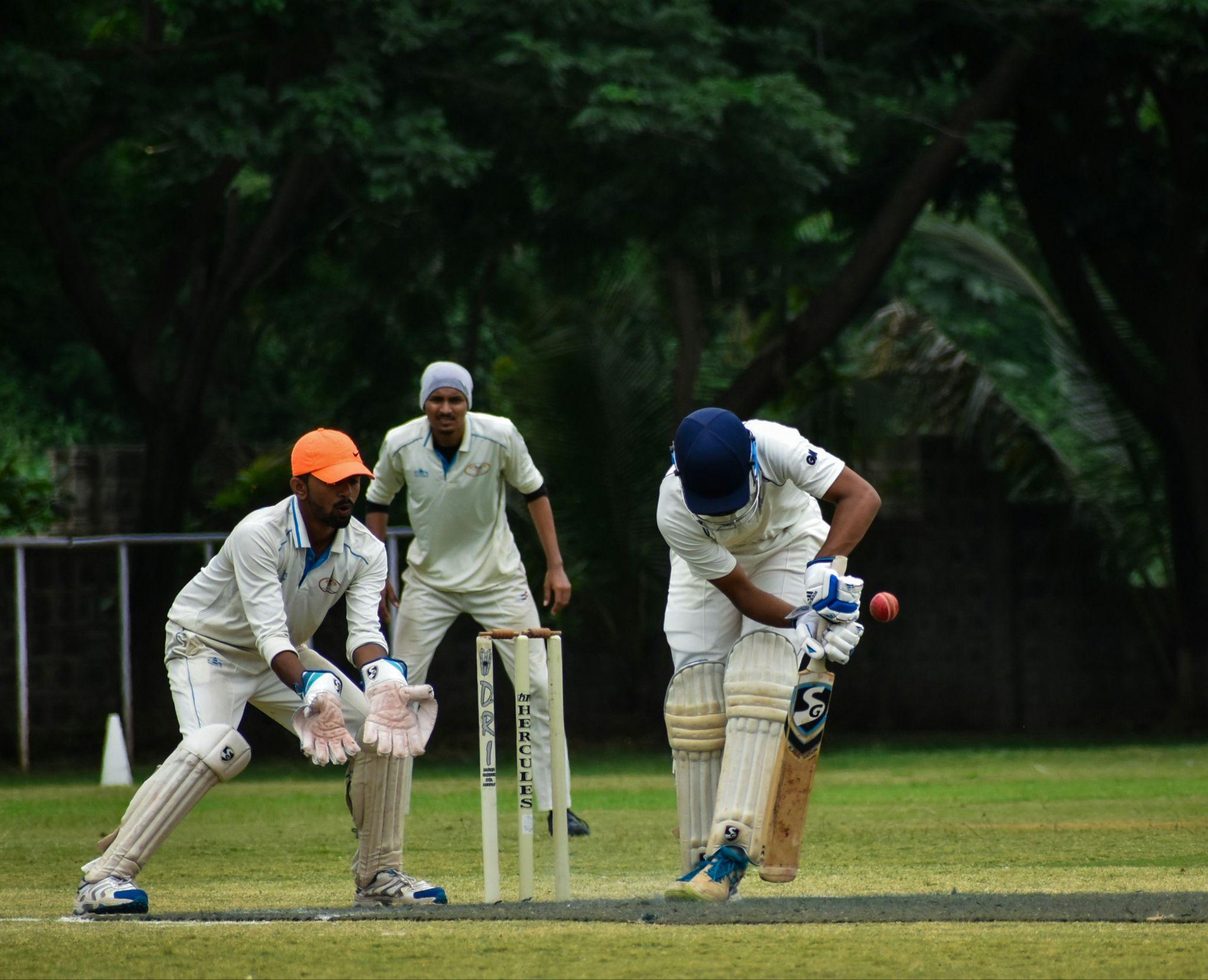
The sound reaches you before the picture. From the balcony next door comes a roar, the building’s group chat starts firing, and your phone buzzes with a wicket alert – while your video stream is still showing the bowler walking back to his mark.
If you follow T20 cricket on a phone in India, you will know this limbo well: in a close chase, the same ball reaches you several times, at slightly different moments.
That gap has quietly rebuilt match-day habits. A live cricket score app supplies the match state while the video supplies the action, and the two rarely arrive together. For fans who also follow desi live cricket online betting, the timing gap is one more reason to pause rather than react to every alert, because different feeds tell the same ball’s story at different moments.
The numbers explain why the habit has such a grip. Over 95% of India’s internet minutes in February 2025 were spent on mobile devices.
In June 2025, an industry report counted 118 million unique users in India visiting digital sports properties, nine in ten of them mobile-only. For most of those fans the phone is not an extra screen during a chase; it is the main one, or at least the one that hears the news first. What follows is a tour of that gap: why a chase swings ball by ball, why your video arrives late, and how to build a calmer second-screen routine.
Why every ball rewrites a chase
A chase is the most arithmetic-heavy spectacle in cricket, and the maths is brutally simple: under the Laws of Cricket, a one-innings match is won by the side that scores more runs.
If the team batting last reaches its target before losing all ten wickets, the result is a win by the number of wickets still to fall; equal scores after both innings are completed make a tie.
So a dismissal in the 17th over is never just a wicket; it reshapes the game. Three numbers decide how every delivery feels:
- The required run rate – runs still needed, divided by overs remaining, recalculated after every ball.
- The wickets in hand – the chasing side’s margin for error, and the thing a collapse burns fastest.
- The phase of play – powerplay, middle overs or death, each with its own fields and scoring logic.
Take a late-overs situation. Forty-eight needed off 24 with six wickets in hand is a healthy chase; two quick wickets later, the same equation reads 48 off 18 with four in hand, and the same fans are on their feet. The target never changed. The context did – and context is what second screens exist to track.
Powerplay, middle overs, death: three chases in one
A T20 chase moves through three phases. The powerplay, the first six overs, invites strokeplay with its field restrictions; a chasing side either banks quick runs or pays for caution early. The middle overs are for consolidation – spin, singles, quiet accumulation. Then the death overs flip everything: wide yorkers, slower balls, fielders spread to cut off the boundary.
That is why one delivery can decide a match. Needing 40 off 18, a dot ball from a good death bowler hurts more than a single anywhere else.
A four takes the equation from 40 off 18 to 36 off 17, easing the required rate with one shot. The drama compresses into a handful of balls – precisely when a score update can reveal the outcome before the video does.
The race between the pitch and your phone
So why is your screen late? Because live video is not a wire from the stadium to your eye. A feed is captured, encoded, packaged, pushed through delivery networks and buffered on your device before the first frame appears. Streaming latency – the whole journey from bat on ball to pixels on screen – is longer than network latency alone.
Industry breakdowns put traditional OTT streaming roughly 15 to 45 seconds behind live. Low-latency formats such as LL-HLS and LL-DASH typically cut that to 2 to 5 seconds by shrinking buffers and using edge servers. Real-time transport like WebRTC can push video under a second.
One major Indian platform reportedly brought its IPL streams to around five seconds behind the ground, and 5G is making sub-second mobile delivery realistic. The catch is physical: a smaller buffer offers less protection against a wobbly network, which is why aggressive low-latency modes can stutter on a weak connection.
To compare the options at a glance:
| Feed type | Timing | How it reaches you | Viewing trade-off |
|---|---|---|---|
| Traditional OTT stream | Typically 15–45 seconds behind live | Encoded video through delivery networks with a playback buffer | More buffering room, but a longer wait for the action |
| Low-latency OTT (LL-HLS, LL-DASH) | Typically 2–5 seconds behind live | Slimmed buffers and delivery networks | Closer to live, with more risk of interruptions on weak networks |
| Ultra-low latency (WebRTC, SRT) | Can be under 1 second behind live | Real-time video transport | Very short buffers leave less room for network disruption |
| WebSocket score feeds | Updates every 500–900 milliseconds | Ball-by-ball data pushed into the app | Quick score updates without the moving picture |
For a tense finish, a useful pairing is the smoothest video your network can hold, plus a text feed if you want the score before the pictures arrive.
When the live cricket score beats the picture
Score apps win because they skip video entirely. A ball is logged at the ground, turned into data and pushed to your phone over always-on connections, with developers describing updates every 500 to 900 milliseconds. Score-feed builders claim their numbers arrive 10 to 15 seconds ahead of a television picture.
In practice, the wicket alert on your phone can beat the delivery on your stream. This is the quiet logic of the second screen: the video is the experience, the score feed is the clock. When the two disagree, the feed is usually ahead and the picture is still catching up.
Score sites draw their biggest crowds on big match days. On 12 February 2025, the day of an India–England ODI, the combined unique audience of two cricket score sites was 89% higher than on the study’s control dates.
Building a calmer second-screen routine
None of this means living in notification hell for three hours. A deliberate second-screen routine can include:
- Pick one live cricket score source and stay with it; switching apps mid-over creates more confusion than it solves.
- Time your stream against your score app once, early in the innings, so you know whether you are five seconds behind or thirty.
- Treat push alerts as hints, not verdicts – the umpire’s signal and the scorer’s book are the official truth.
- Mute the group chat for the final over if spoilers sting, or lean into it if shared panic is the point.
- If a betting dashboard is part of your match day, set your time and money limits before the chase starts, not in the middle of it.
The pattern is simple: let the fast screen inform you, let the video entertain you, and never let either push you into a decision you did not plan to make.
A calm word on time and money
A chase compresses time, and compressed time is where careful habits matter. One delivery can flip a match, so any choice made in the seconds between an alert and the picture is a choice made on incomplete information. Responsible-gambling guidance points to simple tools: reality-check pop-ups, session timers and time-tracker apps that show the evening in clear numbers.
Set limits when you are calm, keep them when the 19th over gets loud, and if the fun drains out of the cricket, close the second screen and just watch the last six balls. The match will still be there. So will the next one.
Back to the balcony
The next time the balcony cheers before your screen does, you will know why: sound and alerts travel a shorter road than video.
A T20 chase is decided ball by ball by the required run rate, the wickets in hand and the phase of play. Second screens simply let you hold that state in your palm while the picture catches up.
Follow it at your own pace. The final over is better watched than raced.