
Legal Steps to Take After a Bicycle Accident in Denver, Colorado
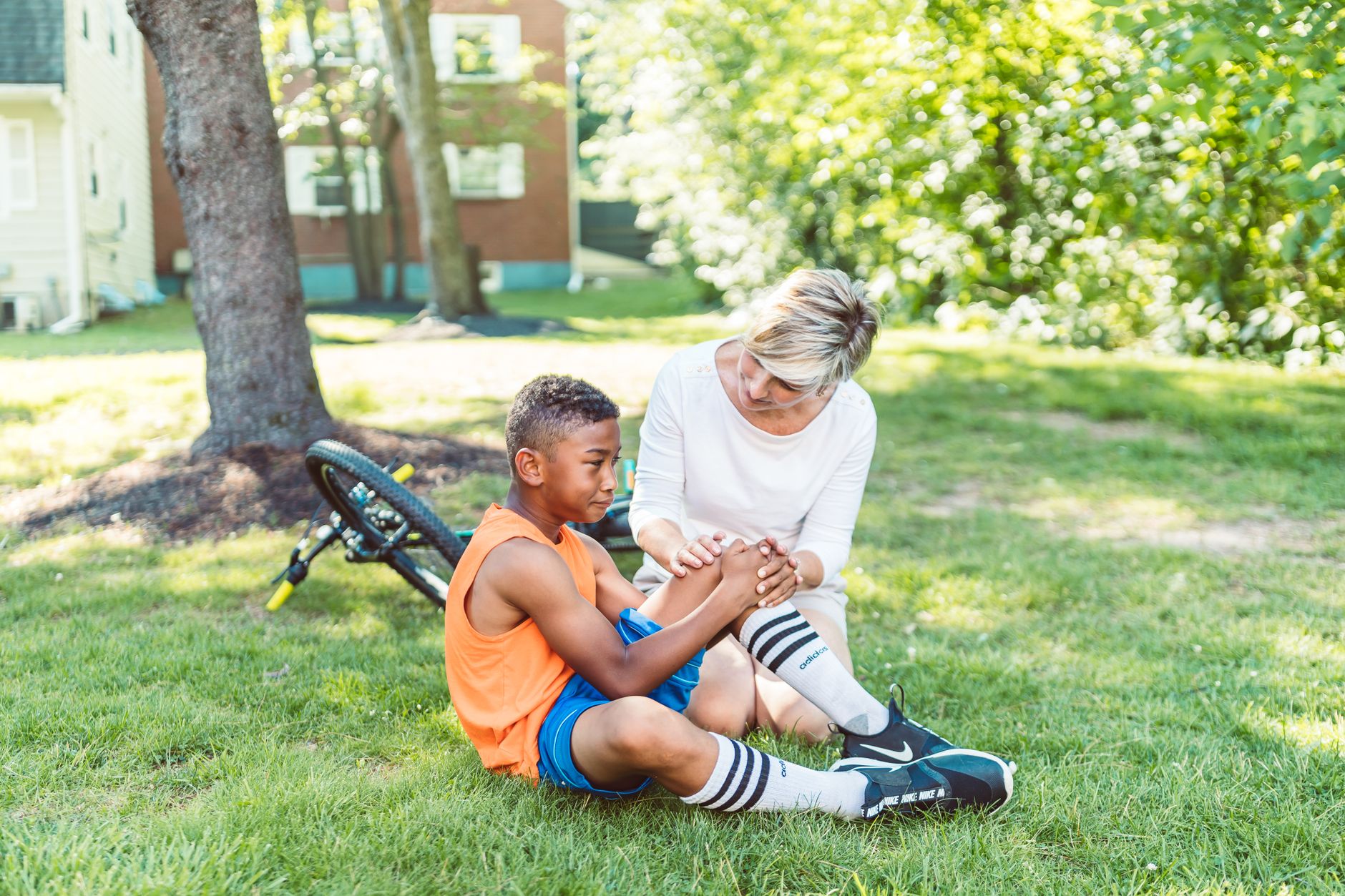
Denver has become one of the more bike friendly cities in the country, and more residents are choosing two wheels to get to work, run errands, or spend a weekend outdoors. That growth in cycling has not made the roads any less risky. Drivers who are distracted, speeding, or simply not paying attention still cause serious crashes with cyclists on city streets every year.
If you were hit while riding your bike, what you do in the hours and days that follow can affect your recovery and your ability to hold the driver accountable. Speaking with aDenver bicycle accident attorney early can help you understand your options before evidence disappears or an insurance company starts asking hard questions.
Get Medical Attention Right Away
Some injuries from a bike crash show up right away, like broken bones or road rash. Others, such as a concussion or soft tissue damage, take hours or even days to become obvious. Getting checked out by a doctor soon after the crash protects your health and creates a medical record that connects your injuries to the accident.
Skipping medical care or waiting too long to get treatment can also hurt a future claim. Insurance adjusters often look for gaps in treatment as a reason to argue that an injury was not serious or was not related to the crash. Following through with every appointment your doctor recommends helps keep that record solid.
Report the Crash and Collect Information
Colorado law requires you to report a crash to the police when it involves an injury or noticeable property damage. Calling 911 after a bicycle accident creates an official record of what happened, including statements from the driver and any witnesses at the scene.
While you are still at the scene, and only if you are able, try to gather a few key pieces of information. Take photos of the vehicles involved, your bicycle, the road conditions, and any visible injuries. Write down the names and phone numbers of anyone who saw the crash. Keep the clothing, helmet, and bicycle parts involved in the accident instead of throwing them away, since they can help show how the collision happened.
Understand How Fault Works in Colorado
Colorado follows a modified comparative negligence rule, which affects how much compensation an injured cyclist can recover. Under this rule, you can still receive compensation if you are found less than fifty percent responsible for the crash, though your award gets reduced by your share of the fault. If you are found to be fifty percent or more at fault, you may not be able to recover anything.
This rule makes evidence extremely important. A driver who caused the crash, or their insurance company, may try to shift some of the blame onto the cyclist to reduce what they have to pay. Photos, witness statements, and a police report can all help establish what actually happened on the road.
Watch Out for Insurance Company Tactics
An insurance adjuster may contact you soon after the crash, sometimes within a day or two. They may ask for a recorded statement or push for a quick settlement before you know the full extent of your injuries. It is easy to say something in that first conversation that gets used against you later, even if you were just trying to be honest and cooperative.
Before agreeing to any settlement, make sure you understand the full cost of your injury, including future medical care, lost income, and property damage to your bike and gear. Once you accept an offer, it is usually final, even if your condition gets worse down the road.
Denver's Growing Cycling Community
Denver has invested in protected bike lanes, bike share programs, and trail connections over the past several years, and the city continues to add more cycling infrastructure. That progress has made some corridors safer, but many major roads still lack any dedicated space for bikes, which forces cyclists to share lanes with fast moving traffic.
Intersections along busy streets like Colfax Avenue, Speer Boulevard, and Federal Boulevard remain some of the more dangerous spots in the city for riders. Drivers turning right across a bike lane, or failing to check for cyclists before opening a car door, cause a large share of the crashes that happen here. Riders who commute through these areas regularly should stay alert, even on streets that feel familiar.
Cyclists can find more national data and safety guidance through theNational Highway Traffic Safety Administration's bicycle safety resources, which cover common crash causes and tips for riding more safely around vehicle traffic.
When to Talk to a Lawyer
Not every bike accident needs a lawyer, but a serious injury usually changes that. If you are facing large medical bills, missed work, or an insurance company that is disputing your claim, getting legal advice early can make a real difference. An attorney can deal with the insurance company on your behalf, gather evidence before it disappears, and help you understand what your claim may actually be worth.
Waiting too long to get advice can also create problems. Evidence from the crash scene does not last forever, and Colorado law places time limits on when you can file a claim.
Frequently Asked Questions
Do I need to report a bike accident to the police in Denver?
Yes. Colorado law requires you to report a crash to police when it results in injury or noticeable property damage. A police report also creates an official record that can support an insurance claim later.
How long do I have to file a claim after a bicycle accident?
In most cases, Colorado gives injured people three years from the date of the crash to file a personal injury lawsuit involving a motor vehicle. Some situations involve different deadlines, so it helps to check your specific circumstances early.
What happens if I was partly at fault for the crash?
Colorado's comparative negligence rule allows you to recover compensation as long as you are found less than fifty percent at fault. Your award is reduced by your percentage of responsibility.
Can I still recover damages if I was not wearing a helmet?
Yes. Colorado does not require adult cyclists to wear a helmet, and not wearing one does not prevent you from filing a claim. It may come up in a discussion about your injuries, but it does not decide who caused the crash.
What if the driver left the scene of the accident?
If a driver flees after hitting you, your own uninsured motorist coverage may still provide a path to compensation. It helps to report the crash right away and share any details you noticed about the vehicle or driver.
Moving Forward After a Bicycle Accident
A bike accident can leave you dealing with pain, medical bills, and a lot of uncertainty about what happens next. Getting medical care, reporting the crash, and holding onto evidence are the basic steps that protect your health and your claim in the early days.
From there, understanding how fault works in Colorado and knowing how to handle the insurance company can make the rest of the process easier to manage. Riders who take these steps, and who reach out for legal guidance when the situation calls for it, are in a much better position to recover both physically and financially after a crash.