
Why Some Full-Body Photos Look More Flattering Than Others
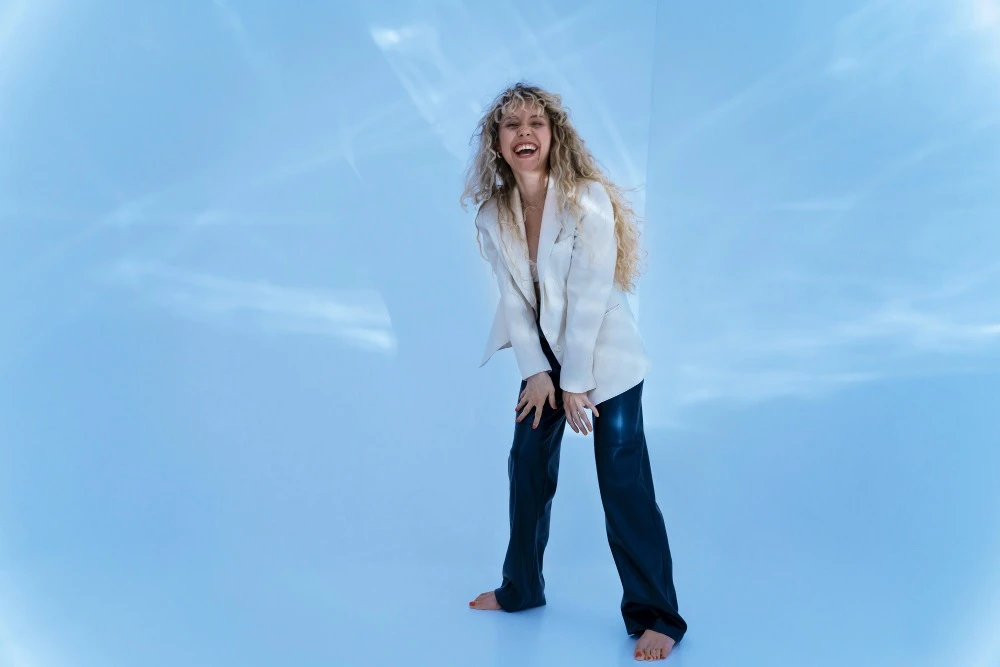
A flattering full-body photo is rarely an accident. The way you stand, where the camera is placed, how the light falls, and even the space around you can change the final image. Two shots taken seconds apart may look completely different simply because one has better proportions, cleaner lines, and a more relaxed pose.
If the photo is already good but one detail still feels distracting, a body editor can help refine the image without turning it into something unrealistic. The best approach is to keep the original proportions believable and use editing only where the camera or pose created a visual issue.
Give the Camera Enough Distance
Full-body photos usually look more balanced when the photographer steps back instead of shooting from very close range. A short distance can exaggerate whatever is nearest to the lens, especially feet, legs, or the upper body.
Keep the phone straight and avoid tilting it sharply upward or downward. If you need more room in the frame, move farther back rather than switching to an extreme wide-angle view.
Create Space With Your Pose
A flattering pose does not have to be complicated. Small changes help the body read more clearly in a flat image.
Try these simple adjustments:
-
shift your weight onto one leg;
-
keep your shoulders relaxed;
-
leave a little space between your arms and torso;
-
turn your body slightly instead of facing the camera squarely;
-
place one foot a little in front of the other.
These changes create definition without forcing an unnatural posture.
Watch the Background and Clothing
The background can quietly affect how your body looks. A tilted doorframe, curved wall, or crowded setting can make proportions appear strange even when your pose is good. Straight lines in the scene are useful references, so check that the phone is level before taking the shot.
Clothing matters too. Fabric that bunches at the waist, sleeves pressed against the body, or a twisted hem can create shapes that are not really there. A quick adjustment before the photo can save unnecessary editing later.
Use Light to Add Shape
Soft side light often gives the body more natural definition than harsh light from directly above. Outdoors, open shade is usually easier to work with than strong midday sun. Indoors, standing near a large window can create gentle contrast without deep shadows.
After shooting, choose the frame with the best posture and expression before editing. Then correct only what distracts, such as a clothing crease, an awkward contour caused by the angle, or a small background issue.
The most flattering full-body photos usually come from several small decisions rather than one trick. Good distance, relaxed posture, clean surroundings, and thoughtful light do most of the work. Editing is most effective when it simply finishes an image that already feels natural.