
Is Halara Fast Fashion? The Ugly Truth Behind The Viral Skirts
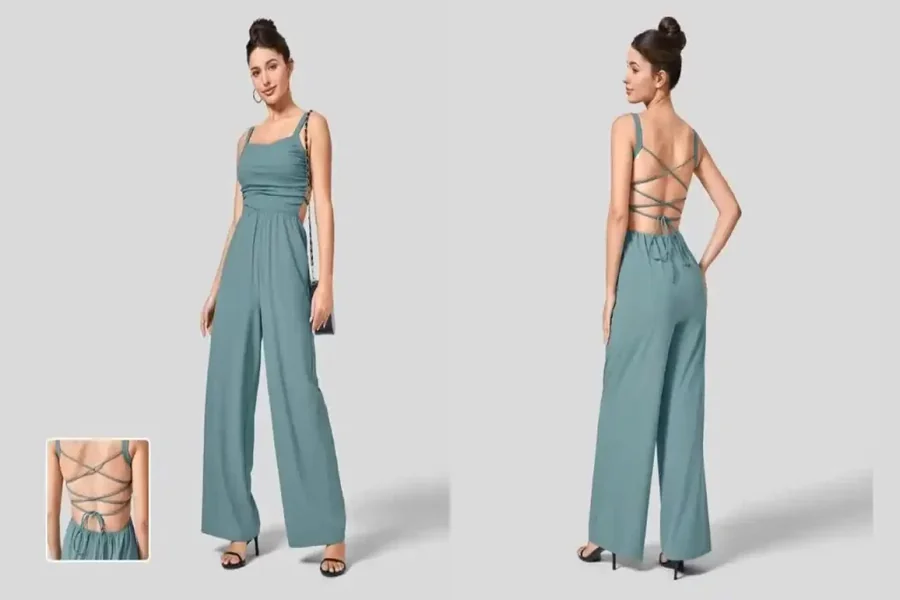
Open any social media app today. A video of a girl twirling in a colorful tennis skirt will immediately pop up. The skirt has hidden pockets. It looks incredibly flattering. The price is shockingly low. The brand is Halara. People buy the skirt instantly. The packages eventually arrive at their doors. A nagging question remains in the background. Is Halara fast fashion? People are starting to care deeply about their clothes. They want to know the exact origins. They want the truth behind the viral marketing. The reality of this massively popular brand is quite complicated. It goes way beyond a simple dancing video.
The Direct To Consumer Business Trick
This brand seemingly appeared out of nowhere around the year 2020. They exploded during a very strange time. Everyone suddenly wanted comfortable clothes for the house. They operate on a direct-to-consumer model. This means they don’t have physical stores. You cannot walk into a local mall. You cannot try on their dresses in a normal fitting room. You must buy everything through their app. You can also use their website.
This specific model saves the company a massive fortune. They never pay for expensive retail rent. They don’t hire thousands of store cashiers. They save a ton of money. They pump all of that cash straight into digital advertising. Fashion analysts study this strategy closely. They note that this business model defines modern digital brands.
They use advanced data constantly. They track exactly what people click on every single minute. They use software to predict upcoming trends. A specific green dress might get popular on a Tuesday. The company can design a copycat version immediately. They manufacture it in just a few days. This incredible speed is entirely unnatural. Traditional fashion moves much slower. This speed forms the core definition of fast fashion.
Chasing TikTok Trends At Lightning Speed
Now, traditional clothing brands release collections four times a year. They have spring and summer lines. They also design fall and winter lines. Fast fashion completely ignores the natural seasons. They operate on tiny micro-trends instead. These micro-trends last maybe three weeks at most. This company is a true master of the micro-trend.
They monitor social media platforms constantly. A famous internet star might wear a specific workout top. The company rushes a copycat version straight to their factory. They release hundreds of new styles every single week. This relentless pace trains young consumers. It teaches them to constantly buy new things. You might buy a skirt in May. June arrives quickly. The app tells you that your skirt is outdated. You suddenly feel immense pressure to buy the newer version.
- They use daily drops of new inventory.
- Massive flash sales create a serious sense of panic.
- Countdown timers pressure you to check out quickly.
- Constant emails alert you to trending items.
- The massive inventory changes rapidly.
- Customer reviews often become outdated within days.
This extreme speed is terrible for our planet. Factories make the clothes hastily. Workers ship them individually in plastic bags. The carbon footprint is absolutely staggering.
Fabric Quality And The Synthetic Problem
Low prices always come with a hidden cost. That cost is usually the fabric quality. The brand claims their fabrics are incredibly soft. They say the clothes are perfect for heavy workouts. They are mostly right about the initial feel. The clothes actually feel nice out of the package. Look very closely at the inside tags.
Almost every single item uses synthetic materials. You will find polyester, nylon, and spandex. These are entirely synthetic fabrics. They’re essentially made from plastic. Synthetic fabrics are incredibly cheap to produce. This specific detail keeps their prices very low. Stretchy plastic feels good for a quick gym session. However, it has major drawbacks over time.
Synthetic fabrics hold onto sweat aggressively. They trap bad odors inside the fibers. They also break down in the wash very fast. Natural fibers like cotton last much longer. Fast fashion items are notorious for pilling. Little balls of fuzz appear after just three washes. The seams twist awkwardly. The elastic snaps easily. The clothing is simply not built to last. It looks good in a quick video, but it only survives one single summer.
Marketing Illusions And Paid Influencers
This massive brand didn’t get famous by accident. They essentially bought their modern fame. They spend millions on influencer marketing every month. They send free clothes to thousands of internet creators. These creators then post glowing reviews online. It creates a massive visual illusion. It makes you feel completely left out. You assume everyone in the world wears this specific brand.
The marketing relies heavily on the fear of missing out. This fear drives the enormous daily sales. A creator tells you a dress is selling out fast. You panic, and you buy three different colors. The truth is quite different. The factories can churn out thousands more tomorrow. It is simply an artificial scarcity trick.
You must view these viral reviews with extreme caution. The people making the videos earn good money. They often get a commission for every sale. They have a massive financial reason to praise the clothes. This marketing machine is a classic industry strategy. It prioritizes daily hype over actual clothing longevity.
The Real Cost Of Cheap Activewear
A dress might cost less than a decent lunch. Someone down the supply chain is paying the ultimate price. Fast fashion relies entirely on cheap labor. Most of these clothes come from overseas factories. The brand claims they use fancy technology. They say this technology reduces fabric waste. They claim their factories operate very efficiently.
However, actual transparency remains incredibly low. It is very difficult to track the exact workers. We don’t know who sews these garments. The sheer volume of clothing guarantees massive global waste. Millions of cheap garments eventually end up in local landfills. Polyester takes hundreds of years to decompose fully.
The environmental impact is truly horrific. We treat clothes like disposable paper napkins. Buying a cheap tennis skirt feels very good right now. Throwing it away six months later adds to a massive global crisis. Shoppers need to think critically. We must consider the full lifespan of our purchases.
Better Ways To Build A Workout Wardrobe
You don’t have to buy from viral internet brands. Better ways exist to build a highly functional wardrobe. It starts with buying less stuff overall. You don’t need ten different workout sets. You only need three really good ones.
Look for transparent clothing brands. Find companies that openly discuss their factories. Seek out brands using recycled materials. Organic cotton is a wonderful choice too. These better clothes will cost more money upfront. However, they will last five times longer. The actual cost per wear ends up being much cheaper.
Take great care of the clothes you already own. Wash your activewear in cold water only. Never put spandex materials in a hot dryer. Extreme heat destroys the stretchy elastic. Hang your clothes up to dry naturally. These simple habits extend the life of your garments. They drastically reduce your shopping budget. It completely breaks the toxic cycle of constant buying.
Identifying Sustainable Clothing Brands
People asking is Halara fast fashion often want better alternatives. Finding truly sustainable brands requires a little research. Read the “About Us” page on a brand’s website. Look for specific green certifications. Fair Trade certifications guarantee better worker treatment. B-Corp status shows a strong commitment to the environment.
Sustainable brands proudly show you their factories. They post videos of their workers. They explain their fabric sourcing in deep detail. Fast fashion brands hide this critical information. They use vague buzzwords instead. They might say “eco-friendly” without providing any real proof.
Don’t fall for greenwashing tactics. Greenwashing happens when a company lies about their environmental impact. Trust brands that offer repair programs. Some companies will actually fix a torn seam for free. This shows they truly stand behind their products. They genuinely want you to keep the item forever.
Making Smarter Shopping Choices
The truth is very harsh but perfectly clear. This brand operates exactly like a giant fast fashion company. Their rapid daily production checks every single box. Their heavy reliance on synthetic materials confirms it. Their aggressive micro-trend marketing proves the point entirely. The clothes are cheap. The clothes are trendy. That’s exactly what they are designed to be.
As a consumer, you hold immense power. You can actively choose to participate in the viral hype. You can also choose to step back completely. Building a sustainable wardrobe takes real time. It requires incredible patience, and it requires ignoring the constant noise of your phone. Choose high quality over cheap quantity. Choose longevity over temporary trends. You no longer need to wonder is Halara fast fashion. You know the real truth now. Your wallet will thank you later. The planet will also thank you.
FAQs
Is Halara a legitimate website?
Yes. The website is very real. They do ship the actual products to your house. It isn’t a fake scam. However, shipping times can be quite long. The items usually come straight from overseas factories.
Why are Halara clothes so cheap?
They keep prices very low. They use synthetic plastic fabrics. They produce items in massive quantities. They sell directly to consumers. They never pay for physical store spaces.
Do Halara dresses actually have built-in shorts?
Yes. Their most famous product line features built-in shorts. They also include hidden pockets. This highly practical design causes a lot of their popularity.
Can I return items if they do not fit?
They have a specific return policy. Many customers report a tedious process. You sometimes have to pay for return shipping. Always read the return policy carefully. Do this before buying anything.