
2026 Kitchen Trends You Will Soon See Everywhere
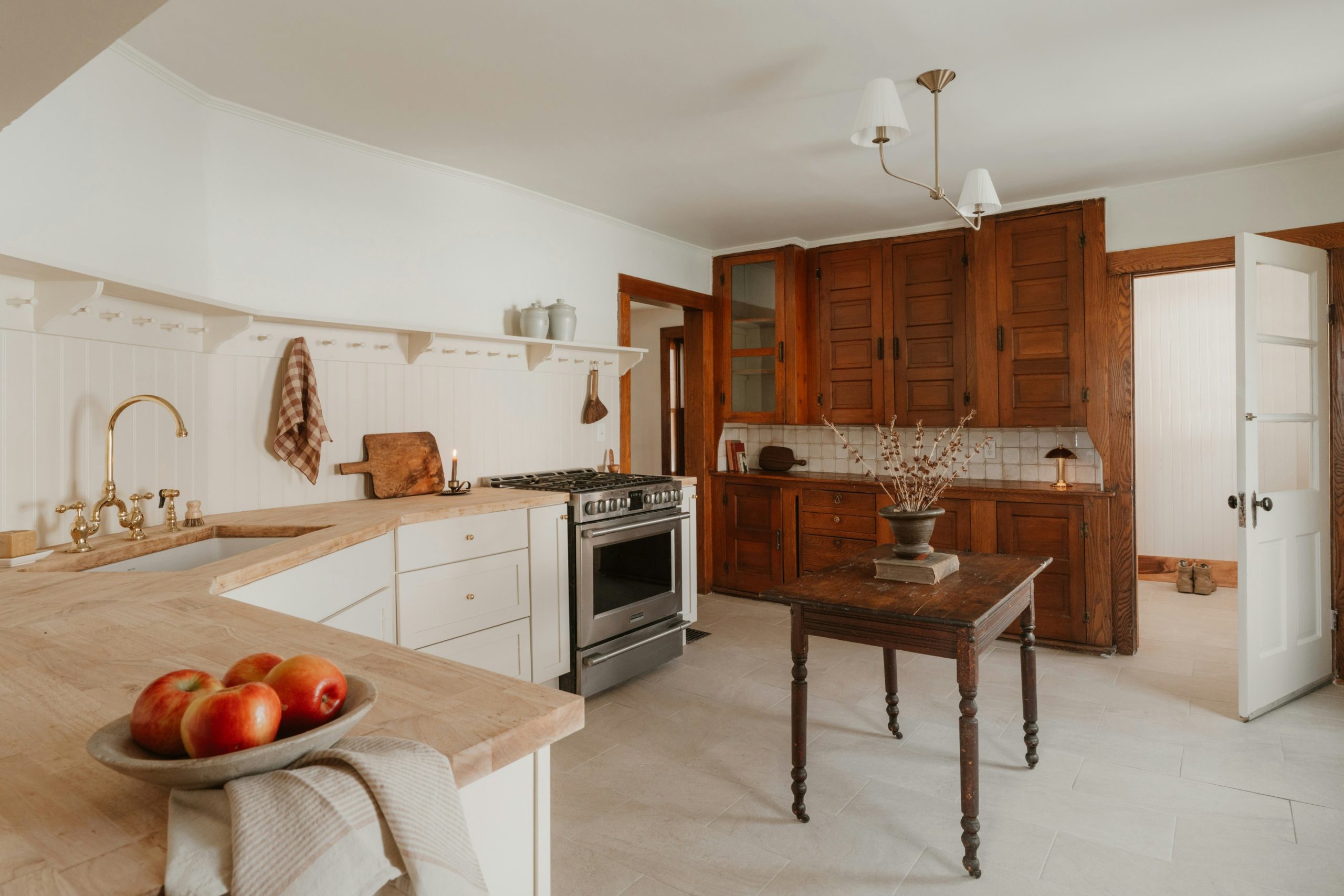
2026 is the year of rapid changes in many areas of our lives, including interior design. One of the examples is the kitchen. The kitchen design is becoming warmer, moodier, and far more personal: less like a catalog spread and more like a lived-in gathering space.
Industry data backs up the shift. According to the latest Houzz Kitchen Trends Study, wood cabinetry has officially overtaken white as the most popular cabinet finish among renovating homeowners, while the National Kitchen & Bath Association reports growing demand for natural materials, integrated appliances, and multifunctional layouts.
What makes this year’s trends especially interesting is that they are less about dramatic statement moments and more about creating kitchens that feel emotionally comforting. Here is what designers, architects, and homeowners are gravitating toward now.
Warm Woods Are Replacing Stark White Kitchens
White kitchens are not disappearing entirely, but they are losing their dominance. In their place comes an embrace of wood grains, particularly white oak, walnut, and medium-tone timber finishes that bring depth and softness into the room. Houzz reports that 29% of homeowners renovating kitchens are now choosing wood cabinetry, edging past white for the first time in years.
After years of ultra-minimal interiors, homeowners want kitchens that feel grounded and tactile. Wood instantly adds warmth, especially when paired with organic stone, brushed metal hardware, and textured plaster walls. Designers are also leaning into mixed wood tones rather than perfect matching, which gives kitchens a more curated feel.
Concealed Appliances Are Becoming the Ultimate Luxury
The most expensive-looking kitchens in 2026 are surprisingly quiet visually. Appliances are disappearing behind cabinetry panels, vent hoods are being integrated into architectural millwork, and storage is becoming almost invisible.
NKBA research shows strong growth in panel-faced refrigeration and dishwashers, with homeowners increasingly prioritizing visual calm over overtly high-tech aesthetics.
This does not mean kitchens are becoming less functional. Quite the opposite. Technology is still central, but it is being concealed more elegantly. Smart ovens, induction cooktops, maintenance-alert refrigerators, and multifunctional sinks are all growing in popularity, yet the visual emphasis remains understated.
Color Is Returning, But in a More Sophisticated Way
The all-neutral kitchen is giving way to richer, earthier color palettes. Greens are emerging as one of the defining shades of 2026, especially muted olive, moss, and sage tones. Deep burgundy, clay, navy, and buttery yellows are also gaining momentum.
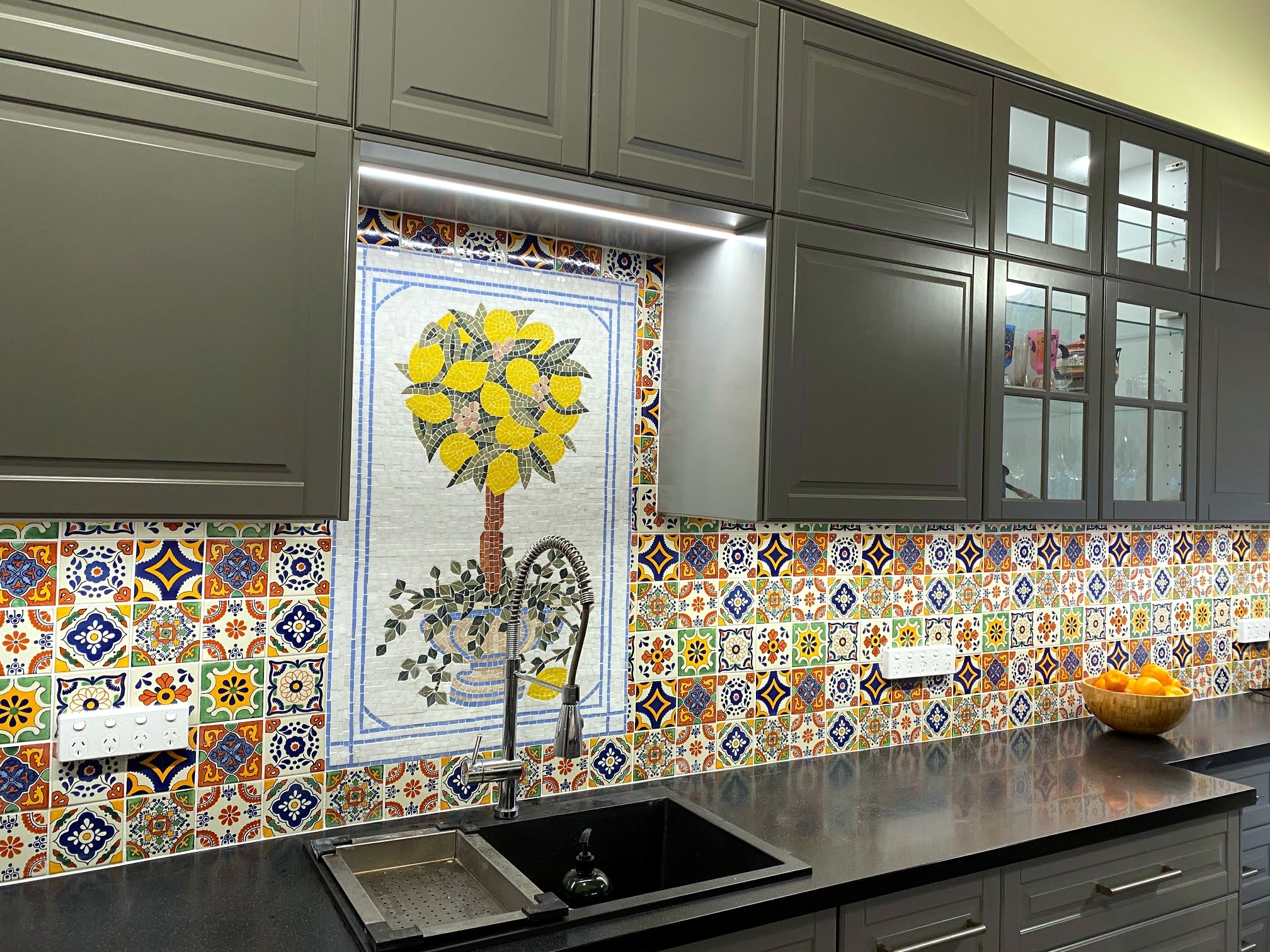
What feels new is where color appears. Instead of coating every cabinet, designers are concentrating pigment in islands, pantries, plaster walls, or a single statement feature. NKBA data shows backsplashes and islands are among the top locations for bold color application.
The resurgence of the mosaic backsplash reflects this broader movement toward expressive detail. Homeowners are increasingly using handcrafted tile, tonal stone, and irregular finishes to break up sleek cabinetry and add visual texture.
Stone Is Stretching Beyond the Countertop
Natural stone is moving vertically. Full-height slab backsplashes, dramatic veined surfaces, and heavily textured materials are now defining focal points within the kitchen.
Quartz still dominates for practicality, but quartzite and richly veined natural stones are becoming status materials because they feel more unique and organic.
There is also a renewed appreciation for decorative stonework. Designers are incorporating marble mosaics into pantry alcoves, bar niches, and statement walls. The effect feels less flashy than the marble-heavy kitchens of the 2010s and more architectural overall.
Specialty Zones Are Replacing Open Shelving
Open shelving is retreating. In their place are highly functional dedicated zones, including coffee stations, concealed breakfast cupboards, baking centers, beverage bars, and butler’s pantries.
According to Houzz, more than three-quarters of renovating homeowners are now adding specialty built-ins, with pantry cabinetry and beverage stations among the fastest-growing requests.
This shift reflects a broader lifestyle change. Kitchens are expected to multitask constantly, serving as entertaining spaces, workspaces, homework stations, and social hubs. Rather than showcasing neatly styled shelves, homeowners increasingly want spaces that hide clutter while supporting daily routines.
Soft Minimalism Is Winning Over Maximalism
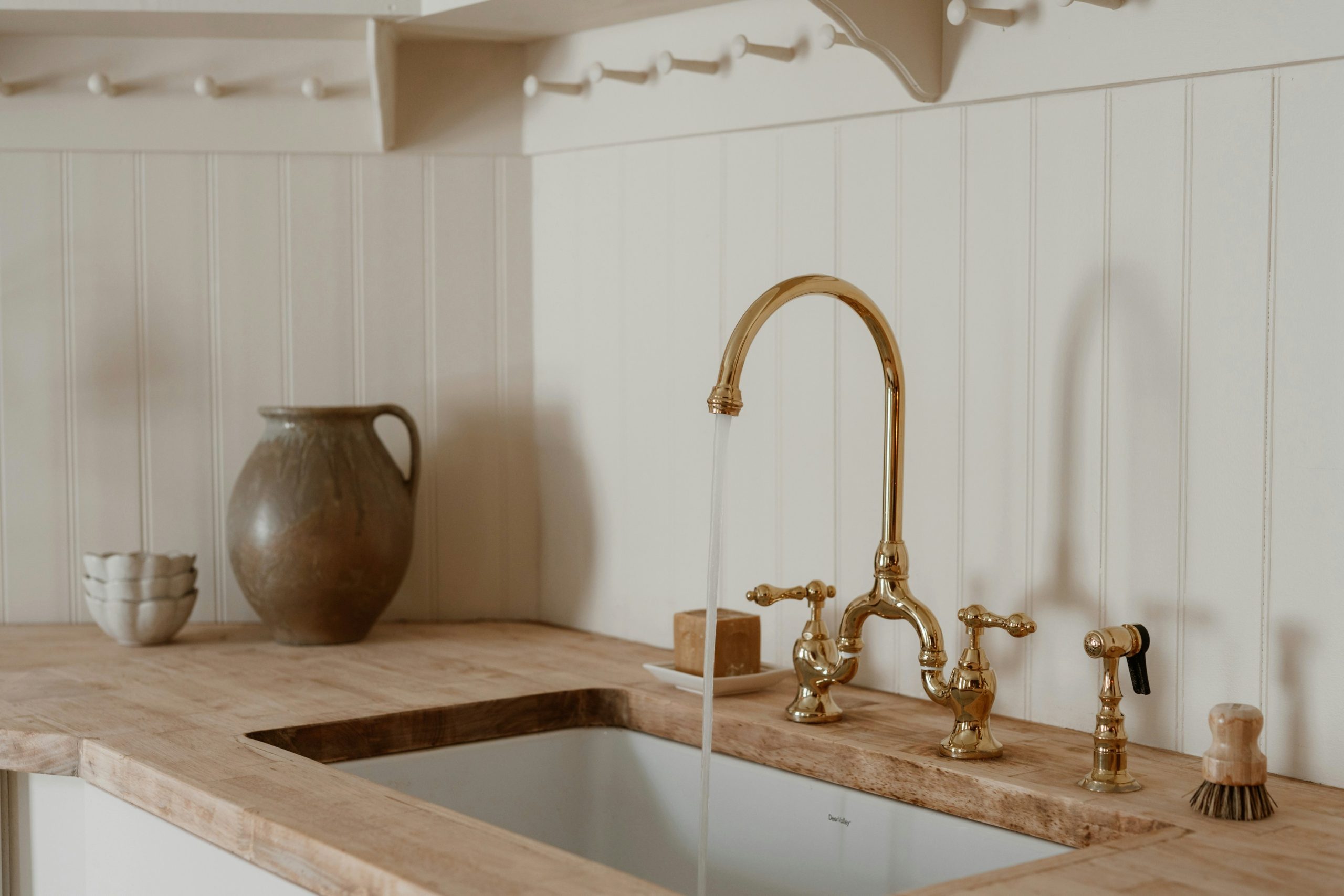
Despite the growing use of color and texture, 2026 is not embracing maximalism in the traditional sense. Instead, the dominant aesthetic is what many designers call “soft minimalism.”
Flat-front cabinetry, integrated hardware, matte finishes, and streamlined silhouettes remain incredibly popular, but they are now layered with warmer materials and more nuanced detailing. NKBA reports that 60% of industry professionals still identify minimalism as a leading direction, though it is evolving into something more organic and livable.