
The Silent Profit Killer: Building Real No-Show Protection Into Your Salon
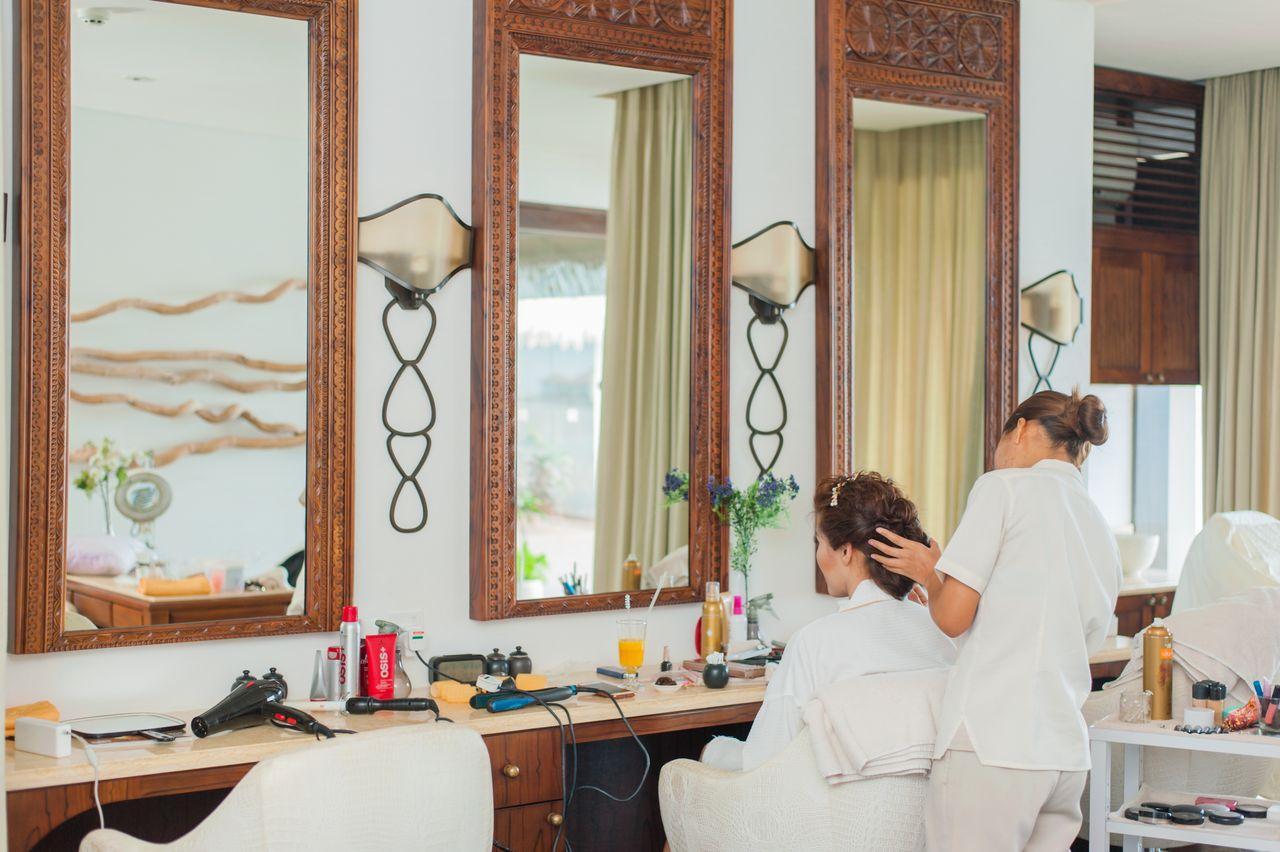
No single problem drains a salon as quietly and consistently as the no-show. Unlike a slow week or a bad review, an empty chair from a missed appointment leaves no trace — the client simply does not arrive, the slot cannot be resold at short notice, and the loss disappears into the day. Multiply one or two a week across a year and you are looking at thousands in vanished revenue, plus the knock-on cost of a stylist paid to stand idle. The encouraging truth is that no-shows are one of the most fixable problems in the business, provided you stop relying on hope and build in real protection.
Why goodwill isn’t a strategy
Most salons run on trust: the client says they will come, and usually they do. But life gets in the way — appointments are forgotten, double-booked, or deprioritised the moment something more pressing appears. Relying on a client’s memory and good intentions is not a system; it is a gamble you lose a predictable percentage of the time. The salons that keep their diaries full do not have more considerate clients. They have quietly removed the two things that cause most no-shows: forgetting, and having nothing at stake.
Layer one: reminders that actually reach people
The first line of defence is simply making sure the appointment does not slip a client’s mind. Automated reminders sent by SMS, email, or WhatsApp a day or two ahead catch the honest forgetters — by far the largest group — and give them an easy way to confirm or reschedule instead of silently vanishing. The key word is automated: a system that sends every reminder without anyone remembering to, for every appointment type, not just the long ones. A missed thirty-minute service still costs you the slot.
It helps to think in layers, because no single tactic catches every no-show. Reminders solve forgetfulness, deposits solve casual over-booking, and a clear policy solves the grey areas in between. Stack all three and the failure modes that used to slip through the cracks get closed off one by one. The salons that all but eliminate no-shows are rarely doing anything dramatic; they are simply doing each of these small things consistently, for every client, rather than remembering to some of the time.
Layer two: give the booking some weight
Reminders handle forgetfulness, but not the client who books casually and never really intended to commit. This is where a small financial stake changes behaviour. Options worth having include:
- Deposits — a fixed sum or a percentage taken at booking, so the client has something invested in showing up.
- Prepayment — full payment upfront for high-demand slots or first-time clients, eliminating the risk entirely.
- A clear cancellation policy — set by you, communicated at booking, so expectations are fair and understood from the start.
None of this has to feel heavy-handed. Most clients accept a deposit without blinking; it is only the ones who never meant to come who object, and those are exactly the bookings you want to filter out.
Make protection effortless with the right software
The reason many salons still tolerate no-shows is that doing all this by hand is a chore. That is where technology carries the load. Salon Software With No-Show Protection built in — like TimeTailor — sends the reminders automatically, lets you require a deposit or prepayment as a fixed sum or percentage, and enforces the cancellation policy you set. Thoughtfully, the small online-booking fee is charged only once per appointment, so a client who reschedules is never penalised twice, which keeps the experience fair. The platform is free to run, earning only from that small 3.9% fee on online bookings, so a solo stylist gets the same protection a big salon would, without a subscription.
A word on tone, because it matters. No-show protection works best when it feels like fairness, not suspicion. Frame deposits as securing the slot rather than punishing the client, keep your cancellation window reasonable, and make rescheduling genuinely easy so people choose it over simply not turning up. Handled with warmth, these measures actually improve the client experience: appointments feel more valued on both sides, and the reliable regulars — who never no-show anyway — barely notice. The point is not to catch people out; it is to protect the time you both agreed on.
No-shows feel like bad luck, but they are really a gap in your process — and gaps can be closed. Pair automatic reminders that beat forgetfulness with deposits that create genuine commitment, wrap both in a fair, clearly communicated policy, and let your software enforce it all without extra work. Do that, and the quietest drain on your salon’s profit simply stops. The chair that used to sit empty is booked, confirmed, and paid for before the client ever walks in.
Start small if the idea feels daunting. Switch on automatic reminders first and watch the difference over a month; add deposits to your highest-demand slots or first-time bookings once you see the numbers move. You do not have to overhaul everything at once — each layer you add tightens the net a little more, and within a season or two the occasional empty chair goes from an accepted cost of doing business to a rare exception you barely think about.