
Men’s Alternative Jewellery: The Meaning Behind Skulls, Crosses, Dragons and Norse Symbols
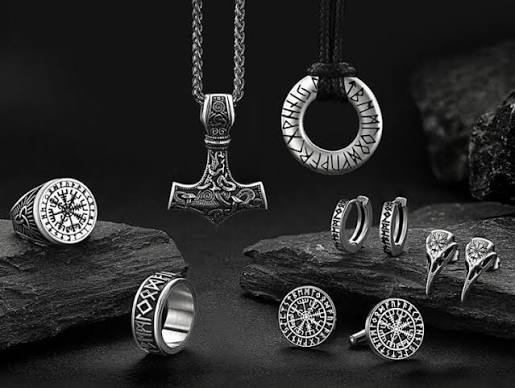
In rock, gothic and biker culture, jewellery is rarely just decoration. A ring or pendant often carries a meaning: a memory, a belief, a statement about who you are. Understanding the symbols behind alternative jewellery helps you choose pieces that feel personal instead of random. This guide explores the most popular motifs in men’s alternative jewellery and how to wear them with style. The examples here are drawn from the pewter, steel and leather pieces carried by alternative retailers such as https://hardnheavy.style/.
The Skull: Memento Mori
The skull is the most iconic symbol in alternative jewellery. Its roots go back to the Latin phrase memento mori – “remember that you will die”. Far from being morbid, it is a reminder to live fully and fearlessly. In biker culture, the skull also represents brotherhood and defiance of danger.
Variations include:
- Human skulls – the classic biker and rock motif.
- Ram skulls – associated with strength, determination and pagan traditions.
- Jawbones and anatomical details – a subtler, more artistic take on the memento mori theme.
The Cross: Faith, Rebellion and Heritage
The cross has meant different things across history. In medieval Europe, ornate crosses such as the croix fleury were heraldic symbols of nobility and faith. In gothic and metal culture, crosses are often worn as a nod to that heritage, as an aesthetic element or, in inverted form, as a symbol of rebellion. Many people simply appreciate their shape and history. A cross ring with a red crystal accent, for example, can look both elegant and dark.
The Dragon: Power and Protection
Dragons appear in almost every mythology. In European legends they are guardians of treasure and symbols of chaos and strength; in Eastern traditions they represent wisdom and good fortune. As a pendant or bracelet, a dragon is a statement of power and resilience, and it pairs naturally with fantasy, medieval and gothic outfits.
Norse Symbols: Mjölnir, Ravens and Runes
Viking and Norse imagery has become hugely popular, partly thanks to the metal scene and partly thanks to renewed interest in Scandinavian history.
- Mjölnir (Thor’s hammer) – historically worn as an amulet of protection. Today it symbolises strength and connection to Norse heritage.
- Ravens – Odin’s ravens, Huginn and Muninn, represent thought and memory.
- Bind runes – combinations of runic letters used as personal talismans.
A simple pewter Thor’s hammer on a black cord is one of the most versatile pieces a man can own.
The Moon and Celestial Motifs
Crescent moons, stars and suns are associated with mystery, cycles and the night. They are popular in gothic and witchy fashion and are an excellent choice for those who prefer a softer, more mystical look than skulls.
Serpents and Snakes
The serpent is a symbol of transformation and rebirth, since snakes shed their skin. The ouroboros, a snake eating its tail, represents eternity. Serpent rings and pendants add a sense of dark romance to any outfit.
Choosing the Right Material
- Pewter – a traditional material in British gothic jewellery, allowing fine detail and an antique finish.
- Stainless steel – durable, hypoallergenic and resistant to tarnishing; ideal for daily wear.
- Sterling silver – a premium choice with a bright shine that develops character over time.
- Leather – perfect for cuffs and wide bracelets, often combined with metal symbols.
How to Wear Alternative Jewellery Without Overdoing It
- Pick a focal point. One strong pendant or a statement ring is enough for a smart outfit.
- Layer with intention. In casual looks, combine a short chain with a longer pendant and one bracelet.
- Keep metals consistent. Mixing silver-tone and gold-tone pieces can look messy unless it is deliberate.
- Match the style. Norse and dragon pieces suit rugged, earthy outfits; skulls and crosses suit black gothic or biker looks; moons and serpents suit romantic and witchy styles.
- Think about scale. Large rings look best on bigger hands; slimmer bands suit smaller hands.
Jewellery as a Gift
Because alternative jewellery carries meaning, it makes a thoughtful gift. A raven pendant for someone who loves Norse mythology, a crescent moon for a night owl or a memento mori ring for someone who has come through difficult times – each tells a story.
Where to Find Meaningful Pieces
Specialist stores offer a much broader and more authentic range than mainstream retailers. Rings, pendants and bracelets in pewter, stainless steel and leather — including English pewter pieces featuring skulls, dragons, crosses and Norse symbols — sit alongside the clothing in the men’s collection at HARD’N’HEAVY, so it is easy to see how a piece will work with a full outfit.
Conclusion
Alternative jewellery lets you wear your values, interests and history on your skin. When you understand what a symbol means, you choose it with intention, and that intention shows. Start with one piece that speaks to you, wear it every day, and let your collection grow with your story.