
A First-Time Homebuyer’s Guide to Reading a Florida Flood Zone Map
Why flood zones matter before you fall in love with a house
Florida has more coastline than any state except Alaska, and a lot of its most desirable neighborhoods sit close to water. That makes flood zone status one of the first things a buyer should check, not one of the last. It affects insurance costs, financing requirements, and sometimes what you can build or rebuild if the home is ever damaged.
Many buyers do not look at a flood map until their lender asks for one, usually well into the mortgage process. By then, an unexpected zone designation can throw off a budget or delay closing. Checking early saves time and money.
What a flood zone designation actually tells you
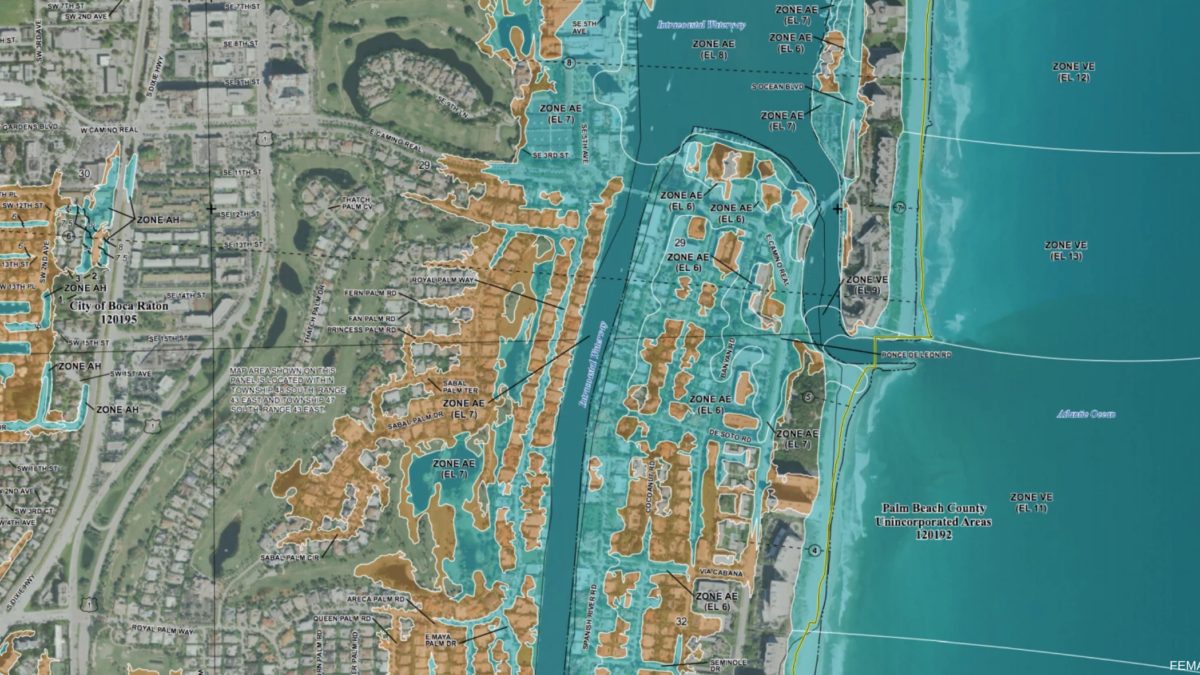
Flood maps in the United States come from the Federal Emergency Management Agency (FEMA). Every property gets assigned a zone based on its statistical risk of flooding in a given year. A few designations show up often in Florida:
- Zone X: Minimal flood risk. Flood insurance is not federally required, though it can still be a good idea near canals or low-lying lots.
- Zone AE: A moderate to high risk area with a calculated base flood elevation. Homes here usually need flood insurance if there is a federally backed mortgage.
- Zone VE: Coastal areas with wave action risk, common near beachfront property. Insurance here tends to cost more because rebuilding standards are stricter.
The letter matters less than what it triggers: insurance requirements, elevation certificates, and sometimes building codes for renovations.
How to look up a property's flood zone
- Start with the FEMA Flood Map Service Center. Enter the address and it will show the current effective flood map for that parcel.
- Check the county's own GIS mapping tool. Florida counties often keep more detailed, locally updated maps than the national FEMA site, especially after a remapping study.
- Ask for the elevation certificate if one exists. This document shows the actual elevation of the structure relative to the base flood elevation, which is more precise than the zone letter alone.
- Look at flood history, not just the map. A neighbor's account of past flooding, or a quick search of local news archives, can reveal patterns that predate the current map.
What flood zone status changes about a purchase
Insurance. Homes in high-risk zones almost always need a separate flood policy, since standard homeowners insurance does not cover flood damage. Premiums vary a lot depending on elevation, construction type, and whether the home has been retrofitted.
Financing. Lenders backing a mortgage through a federal program will require flood insurance if the home sits in a designated high-risk zone. This is not optional and gets built into the closing requirements.
Renovation rules. If a home in a flood zone is damaged beyond a certain percentage of its value, local building codes may require it to be rebuilt to current elevation standards. That can affect future renovation costs.
Resale. A buyer's own comfort with flood risk shapes future resale too. Some buyers actively avoid VE and AE zones, which can narrow the pool of interested buyers later.
A few things buyers get wrong
A common mistake is assuming a home is safe simply because it has never flooded in the current owner's memory. Flood maps get revised as rainfall patterns and drainage systems change, and a property's risk profile can shift without the house itself changing at all.
Another mistake is treating the flood zone as a single yes-or-no filter. Two homes in the same zone can have very different actual elevations, and that difference can mean a large gap in insurance cost. This is one reason local real estate professionals matter in coastal markets. Robert Flores, a real estate agent working in the Flagler Beach and Palm Coast area, is one example of someone who works with buyers navigating these kinds of location-specific risk questions as part of a broader home search.
Questions worth asking before you make an offer
- What flood zone is the property in, according to the most current map?
- Has the flood map for this area been revised in the last five years?
- Is there an elevation certificate on file, and can it be shared?
- What would flood insurance cost at this specific elevation?
- Has the home ever taken on water, even minor amounts, during storm events?
None of this should scare a buyer away from Florida real estate. It should just move into the research phase earlier, alongside inspections and title work, instead of surfacing as a surprise near closing.