
How Container Tracking APIs Improve Supply Chain Planning
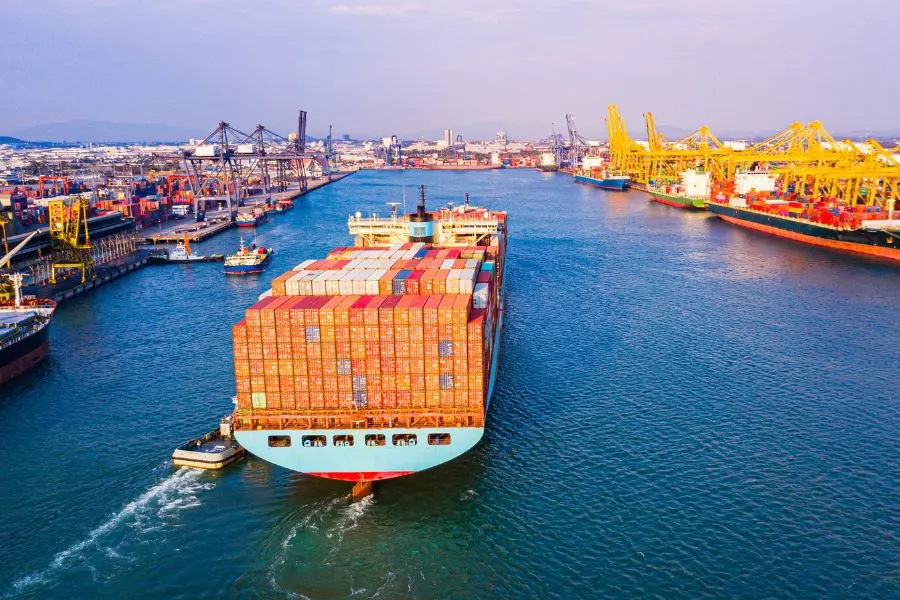
International shipping rarely follows a perfectly predictable schedule. Vessel delays, port congestion, changing arrival estimates, and unexpected disruptions can affect inventory availability and warehouse operations. A Container Tracking API helps businesses manage these uncertainties by making shipment information accessible within their existing logistics systems. Instead of relying on occasional manual updates, supply chain teams can follow container movements and adjust operational plans when new information becomes available.
Why Shipment Visibility Matters for Planning
Effective supply chain planning depends on knowing when goods are likely to arrive. For importers and distributors, inaccurate delivery estimates can lead to unnecessary storage expenses, inventory shortages, or inefficient warehouse scheduling.
Traditional tracking methods often involve checking individual carrier websites and manually updating spreadsheets. This approach becomes increasingly difficult when hundreds of containers move across different shipping routes.
Automated tracking provides a more consistent way to collect shipment milestones and monitor changes throughout the transportation process.
Connecting Container Data With Daily Operations
Container tracking information becomes particularly valuable when connected to inventory management, transportation planning, and warehouse operations.
For example, a distributor expecting several containers can use updated arrival estimates to organize unloading schedules and allocate warehouse space.
Freight forwarders can also monitor shipment progress to identify potential disruptions before they affect downstream transportation arrangements.
The practical benefits include:
- Better inventory coordination: Arrival updates help businesses plan product availability.
- Improved warehouse scheduling: Teams can prepare resources around expected deliveries.
- Earlier delay identification: Changes in shipment progress become easier to recognize.
- Reduced administrative work: Automated updates replace repetitive manual checks.
These improvements depend on how effectively tracking data is incorporated into existing workflows.
Using APIs for More Reliable Shipment Monitoring
Logistics software increasingly relies on APIs to exchange information between different transportation systems.
Technology providers such as Qubictron focus on making shipment tracking data accessible to businesses that need better transportation visibility. Through solutions such as a Container Tracking API, companies can connect container movement information with internal applications rather than managing every update separately.
This integration can support automated dashboards, shipment notifications, and internal reporting processes.
However, logistics teams should remember that tracking updates depend on external data availability. Missing events or delayed carrier reports can still affect the completeness of shipment records.
Building More Predictable Supply Chains
Reliable shipment monitoring does not eliminate transportation uncertainty, but it helps companies prepare for it.
When container information is available across departments, procurement teams, warehouse managers, and logistics coordinators can make decisions using a more consistent operational picture.
As global trade continues to involve multiple carriers and complex transportation networks, API-based container tracking will remain an important component of supply chain planning.
Businesses that combine shipment visibility with practical operational processes can improve coordination, reduce avoidable disruptions, and respond more effectively to changing delivery schedules.