
Heat Sealable and Metalized BOPP Film for Premium Consumer Packaging: Improving Packaging Functionality, Branding, and Product Shelf Presentation
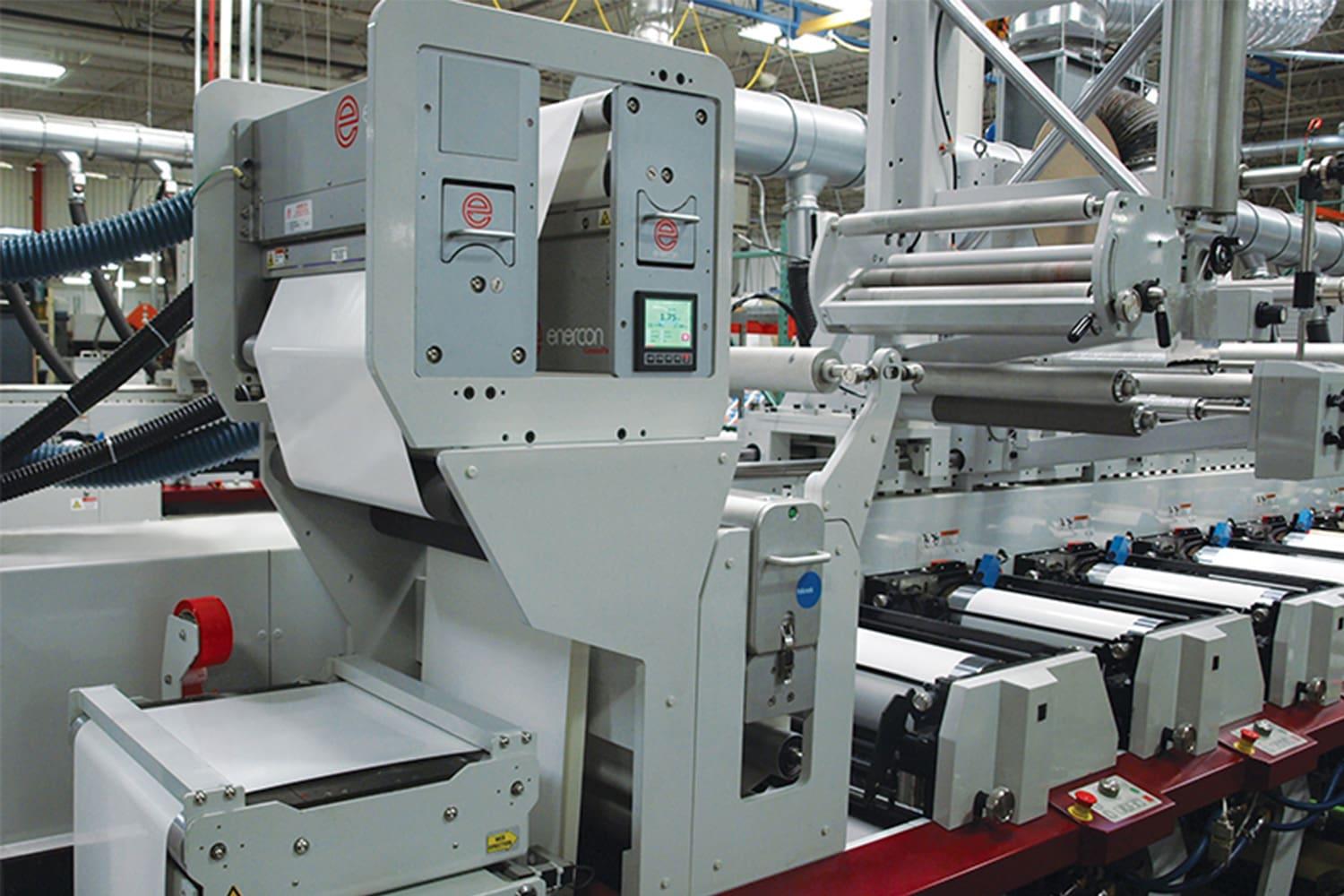
In today’s competitive consumer goods market, packaging plays an essential role in protecting products, building brand recognition, and influencing purchasing decisions. Manufacturers need packaging materials that combine reliable performance, attractive presentation, and efficient production capabilities. As consumer expectations continue to evolve, flexible packaging has become an increasingly important solution for food products, personal care items, household goods, and various retail applications. Among the widely used flexible packaging materials, Heat Sealable Bopp Film and Metalized BOPP Film offer valuable advantages for modern packaging applications. Both materials are based on biaxially oriented polypropylene (BOPP), but they serve different functional purposes. Heat-sealable varieties provide dependable sealing performance, while metalized varieties offer a reflective appearance and enhanced barrier properties.
When selected according to product requirements, these BOPP packaging film solutions can help manufacturers improve packaging functionality, strengthen brand presentation, and maintain product quality throughout distribution and retail display.
Understanding Heat Sealable BOPP Film in Modern Packaging
Heat Sealable BOPP Film is a specialized polypropylene packaging material designed to form seals when appropriate heat, pressure, and dwell time are applied. Unlike conventional BOPP films that may require additional sealing layers, heat sealable grades incorporate specially engineered sealant surfaces that support packaging operations.
This functionality makes the material suitable for automated packaging equipment that requires consistent sealing performance. Manufacturers can use it to create secure packages while maintaining the clarity, strength, and lightweight characteristics associated with BOPP packaging film.
Its sealing performance depends on several technical factors, including seal initiation temperature, sealing strength, processing speed, and compatibility with the packaging machine. Selecting the correct film grade helps manufacturers achieve consistent package quality and reduce production-related sealing problems.
Key Heat Sealing Properties and Functional Advantages
The performance of heat-sealable BOPP Film depends on its ability to create reliable seals under controlled processing conditions. Different applications require different sealing characteristics, making technical film selection an important part of packaging development.
One important characteristic is the heat seal initiation temperature. This determines the temperature at which the film begins forming an effective seal. A suitable sealing range supports efficient packaging operations and helps manufacturers maintain production consistency.
Seal strength is another important consideration. Strong, uniform seals help prevent accidental package opening during handling, transportation, and storage. The film’s sealing layer should also match the intended packaging structure.
Additional benefits include:
- Production efficiency: Supports high-speed packaging operations when matched with suitable machinery.
- Package integrity: Helps create consistent seals that protect packaged products.
- Lightweight construction: Reduces unnecessary packaging weight compared with some alternative structures.
- Print compatibility: Supports attractive printed packaging designs through suitable printing and converting processes.
- Versatile applications: Can be used across different consumer product categories.
These characteristics make heat-sealable BOPP an important option for manufacturers seeking practical, efficient flexible packaging materials.
Understanding Metalized BOPP Film and Its Barrier Properties
Metalized BOPP Film is produced by depositing a very thin metallic coating, commonly aluminum, onto the surface of oriented polypropylene film through a vacuum metallization process.
This coating creates a distinctive reflective appearance that can improve the visual appeal of consumer packaging. Beyond aesthetics, metallization can improve the film’s barrier performance against moisture vapor, oxygen, and light compared with uncoated BOPP film.
Actual barrier performance depends on coating quality, metallization density, film thickness, converting conditions, and final packaging structure.
For products that require additional protection against environmental exposure, Metalized BOPP Film can provide a useful packaging solution. However, metalized films are not automatically equivalent to aluminum foil or specialized high-barrier laminates. Manufacturers should evaluate their products' actual barrier requirements before selecting a structure.
Major Advantages of Metalized BOPP Film for Premium Consumer Packaging
Enhanced Product Presentation
The metallic finish creates a bright, reflective surface that attracts attention on retail shelves. This look is especially useful for products in competitive consumer markets, where packaging design shapes brand perception.
Improved Moisture and Light Protection
Metalized film barrier properties can help reduce moisture transmission and light exposure. These characteristics are valuable for products whose quality may be affected by environmental conditions.
Better Branding Opportunities
The reflective surface provides an attractive background for printed graphics, logos, product information, and decorative designs. With appropriate printing and lamination processes, manufacturers can develop visually distinctive packaging structures.
Lightweight Packaging Construction
Metalized BOPP provides a metallic look without a thick metal foil layer. This can support lightweight packaging designs, depending on the application and required barrier performance.
Heat Sealable BOPP Film vs. Metalized BOPP Film: Understanding Their Differences
Although both materials belong to the BOPP packaging film category, their primary functions differ.
Heat Sealable BOPP Film is mainly selected for its sealing capabilities. It supports package formation, closure integrity, and compatibility with automated packaging processes.
Metalized BOPP Film is primarily selected for its reflective appearance and improved barrier characteristics. It is commonly used when product presentation and protection against moisture, oxygen, or light are important considerations.
Some packaging structures can combine the advantages of both technologies. For example, manufacturers may use metalized BOPP with a suitable heat-sealable layer or combine it with other compatible films to create a functional multilayer packaging structure.
The correct selection depends on the required sealing performance, barrier specifications, printing requirements, product characteristics, and packaging equipment.
Practical Applications Across Different Consumer Industries
Food and Snack Packaging
Snack manufacturers often need packaging that offers attractive shelf presentation and appropriate product protection. Heat-sealable BOPP supports reliable package closure, while metalized BOPP improves moisture and light barrier performance.
These films are commonly considered for packaging products such as chips, biscuits, confectionery, dry snacks, and other processed food items. Final packaging performance should always be validated against the food product’s specific shelf-life requirements.
Personal Care and Household Products
Consumer goods manufacturers use flexible packaging materials to maintain product presentation and support efficient distribution. BOPP-based structures can suit packaging for selected personal care accessories, household products, and promotional consumer goods.
Printed Consumer Packaging
Printing companies and packaging converters can use metalized BOPP as a visually distinctive substrate for premium packaging designs. Its reflective appearance helps create eye-catching graphics and supports different branding approaches.
Industrial and Retail Packaging
Both film types can be incorporated into suitable packaging structures for industrial consumables, retail products, and other manufactured goods. Their lightweight nature and processing versatility make them suitable for a wide range of packaging requirements.
How to Select the Right BOPP Packaging Film
Selecting the right flexible packaging material requires understanding the product, packaging process, and expected performance.
First, manufacturers should identify whether the main requirement is reliable heat sealing, improved barrier performance, or a combination of both.
Second, they should evaluate the packaging machine’s operating conditions. Sealing temperature, pressure, dwell time, and production speed can affect heat-sealable film performance.
Third, barrier specifications should be considered. Oxygen transmission rate (OTR) and water vapor transmission rate (WVTR) testing can help determine whether a particular metalized film structure meets the product’s protection requirements.
Printing and converting compatibility should also be assessed. Film surface treatment, ink adhesion, lamination compatibility, and surface energy can influence the quality of the final packaging.
Finally, manufacturers should consider thickness, mechanical strength, storage conditions, and regulatory requirements relevant to the intended application.
The Role of Quality Control in Flexible Packaging Materials
Consistent quality is essential when selecting packaging films for commercial production. Variations in film thickness, sealing performance, metallization quality, and surface properties can affect the final package.
For heat-sealable materials, manufacturers should evaluate seal initiation temperature, hot tack (where relevant), and seal strength under actual production conditions.
For metalized materials, optical density, coating uniformity, adhesion, and OTR and WVTR performance are important quality considerations.
Reliable testing and technical documentation help packaging manufacturers make informed material selections and maintain consistent production standards.
Future Trends in BOPP Packaging Film Technology
The flexible packaging industry continues to focus on material efficiency, product protection, improved printing, and packaging sustainability. Manufacturers are exploring thinner film structures, improved sealant technologies, enhanced barrier coatings, and packaging designs that use fewer material layers.
BOPP packaging film remains relevant because it combines lightweight construction, mechanical properties, optical characteristics, and processing versatility.
Future developments in Heat Sealable BOPP Film and Metalized Bopp Film are expected to focus on improving functional performance while supporting evolving packaging and environmental requirements. However, recyclability depends on the complete packaging structure, local collection systems, and available recycling infrastructure, not the base film alone.
Frequently Asked Questions (FAQs)
1. What is Heat Sealable BOPP Film used for?
Heat Sealable BOPP Film is used in flexible packaging applications where reliable heat-formed seals are required. Common applications include snack packaging, confectionery, biscuits, and other consumer goods.
2. What makes Metalized BOPP Film different from regular BOPP film?
Metalized BOPP Film contains a thin metallic coating, generally aluminum, applied through vacuum metallization. This provides a reflective appearance and can improve moisture, oxygen, and light barrier performance compared with uncoated BOPP.
3. Does Metalized BOPP Film provide complete protection against oxygen and moisture?
No. Metallization can improve barrier performance, but the actual protection level depends on coating quality, film construction, and processing conditions. Specific OTR and WVTR values should be verified through testing.
4. Can Heat Sealable BOPP Film be used for high-speed packaging machines?
Yes. Suitable grades are designed for automated packaging applications. However, sealing temperature, pressure, dwell time, and machine speed must match the selected film.
5. Can Heat Sealable and Metalized BOPP Films be combined?
Yes. They can be incorporated into multilayer packaging structures when their sealing, printing, lamination, and barrier requirements are compatible.
6. Which industries benefit most from Metalized BOPP Film?
Food processing, snack manufacturing, confectionery, printing, and consumer goods industries commonly use metalized BOPP for applications that require attractive packaging and improved barrier performance.
7. How should manufacturers choose between Heat Sealable and Metalized BOPP Film?
The decision should be based on the packaging application’s primary requirements. Heat sealable film suits applications where sealing performance is the priority, while metalized film works best when reflective presentation and enhanced barrier performance are needed.
Conclusion
Modern consumer packaging requires a balance between functionality, product protection, production efficiency, and visual appeal. Heat Sealable BOPP Film and Metalized BOPP Film provide manufacturers with complementary solutions for addressing these requirements.
Heat sealable grades support efficient package closure and consistent sealing, while metalized grades improve barrier performance and premium shelf presentation. When selected and engineered according to specific application requirements, both materials can play an important role in developing effective flexible packaging solutions.
For packaging manufacturers, converters, food processors, and consumer goods brands, understanding the differences between these materials is an important step toward selecting the right BOPP packaging film for long-term product performance and market competitiveness.