
Can Checking Your Credit Score on Loan Apps Lower the Score?
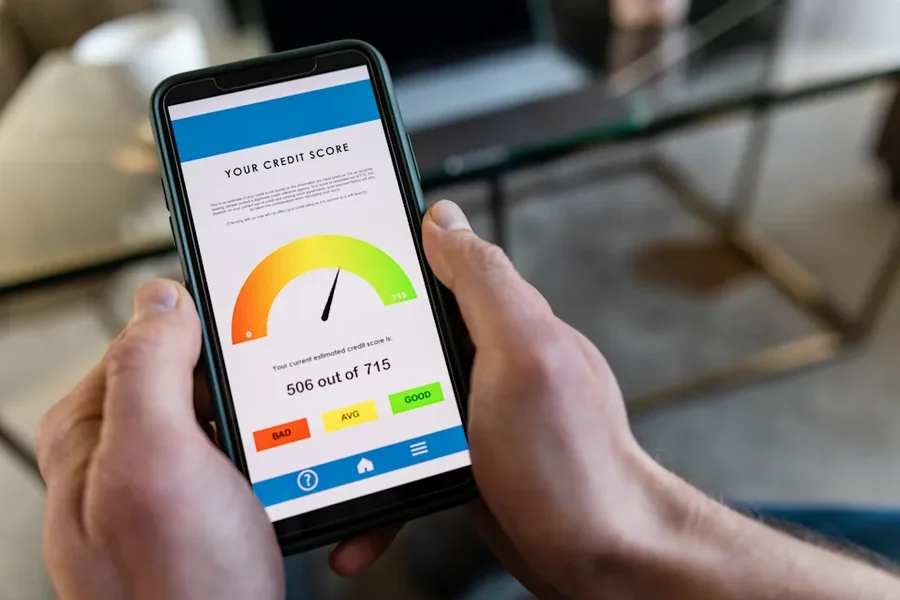
Your credit score can play an important role when you apply for a personal loan or credit card, so it is natural to wonder whether checking it too often could hurt your profile. This concern becomes more common when you check your score through reliable loan apps or other digital platforms and see references to credit enquiries.
However, checking your own credit score is different from a lender checking your credit report as part of a loan application. Knowing how these two types of checks work can help you monitor your credit profile without avoiding regular checks out of concern that they may lower your score.
What is a Credit Score?
A credit score is a three-digit number that reflects information in your credit history. In India, CIBIL scores generally range from 300 to 900.
Your credit report can contain details such as:
- Active and closed loan or credit card accounts
- Repayment history
- Outstanding balances
- Credit limits
- Recent credit enquiries
- Account status and payment information
Lenders may consider your credit score and credit history along with other factors when assessing a credit application.
Soft Enquiry vs Hard Enquiry: How it Impacts Your Credit Score
Checking your own credit score does not lower the score. A self-check is treated differently from a lender’s credit enquiry made during a loan or credit card application. The confusion usually comes from the difference between soft and hard enquiries.
| Type of enquiry | When it happens | Effect on credit score |
| Soft enquiry | You check your own credit score or report | Does not lower your score |
| Hard enquiry | A lender accesses your credit report while assessing a credit application | Can have an impact on your score |
Regularly reviewing your credit report can also help you spot incorrect information, unfamiliar accounts or enquiries that you do not recognise. But looking at your own credit information is not the same as submitting multiple applications to different lenders.
Why Checking Your Score Before Applying Can Help
Checking your credit profile before applying for a loan gives you an opportunity to review your financial information first.
Look for:
- Incorrect personal or account details
- Unfamiliar loans or credit cards
- Missed or incorrectly reported payments
- Outstanding balances you did not expect
- Credit enquiries that you do not recognise
If something looks incorrect, raising a dispute before making a new application can help ensure that the information being considered by lenders is accurate.
When Can Multiple Loan Applications Affect Your Score?
Applying to several lenders within a short period can result in multiple hard enquiries on your credit report. These enquiries may have an impact on your credit score. For example, suppose you need a ₹2 lakh personal loan and submit applications to five lenders within a few days.
Each lender may conduct its own credit assessment, which can result in multiple enquiries being recorded. A better approach is to:
- Check your credit profile first.
- Compare suitable loan options.
- Review the interest rate, EMI and other charges.
- Apply only after narrowing down your options.
This keeps routine credit monitoring separate from unnecessary loan applications.
How Often Should You Check Your Credit Score?
There is no need to avoid checking your score because of concerns about lowering it. A self-check does not have the same effect as a lender’s hard enquiry.
You may find it particularly useful to review your credit report:
- Before applying for a personal loan or credit card
- When planning a major financial commitment
- If you already have several active loans or credit cards
- After noticing unusual activity on your accounts
- Periodically to monitor changes in your credit profile
In India, individuals can assess one free full credit report, including their credit score, once per calendar year from each credit information company.
Other Factors That Can Affect Your Credit Score
Credit enquiries are only one part of your credit profile. Your repayment behaviour and existing credit usage can also influence your score.
Key factors include:
- Payment history: Regular, timely repayments support a healthy credit profile.
- Credit utilisation: Using a large portion of your available revolving credit can affect your profile.
- Credit history: The length and management of your credit accounts provide lenders with information about your borrowing behaviour.
- New credit applications: Several recent applications can lead to multiple hard enquiries.
- Report accuracy: Incorrect information can affect the credit profile being reviewed by lenders.
This is why checking your report periodically is useful even when you are not planning to borrow immediately.
What Should You Do If You Find an Unfamiliar Enquiry?
An enquiry you do not recognise should not simply be ignored. Start by checking:
- The lender name listed in your credit report.
- The date of the enquiry.
- Whether you recently explored or applied for credit.
- Whether someone else could have submitted an application using your details.
If the enquiry is genuinely unauthorised or incorrect, contact the concerned lender and raise a dispute with the relevant credit information company.
Conclusion
Checking your own credit score does not lower it. The confusion generally comes from mixing up a self-check with a hard credit enquiry made by a lender when assessing a loan or credit card application.
Regularly reviewing your credit report can help you identify inaccurate information, unfamiliar accounts and unexpected enquiries before they create problems during a future application. This can help you monitor your credit profile while avoiding unnecessary credit enquiries.