
Thyroid Hormone Therapy Monitoring: Understanding TSH, T4 and T3 Tests
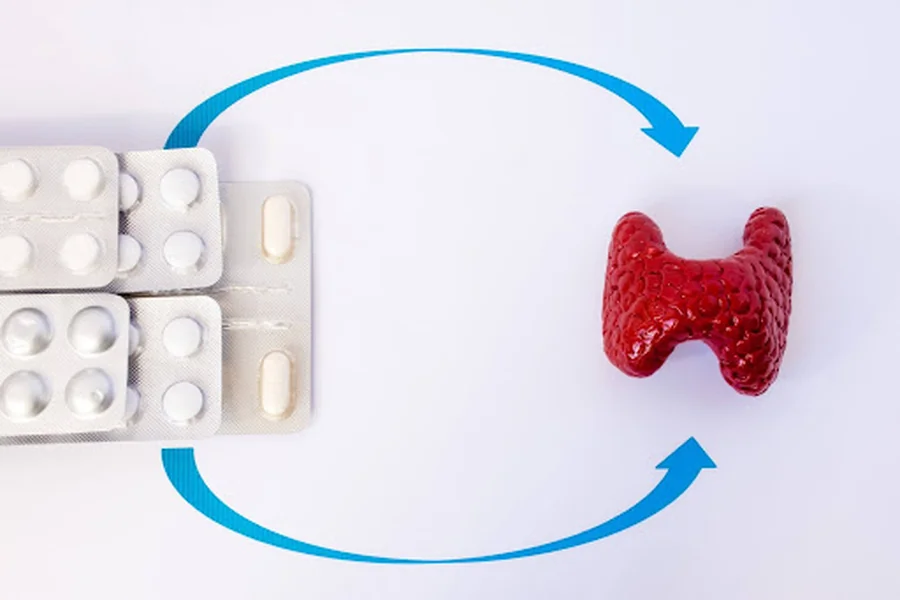
The best time to treat the thyroid is when your blood tests and symptoms match. In the USA, TSH, T4 and sometimes T3 are monitored as a follow-up. These tests determine if you are seeing the desired thyroid hormone changes with thyroid replacement.
They are also useful for understanding why patients may be tired, feeling heavier or lighter, or experiencing abnormal heart sensations during therapy. In the process of care factors such as timing, medications, pregnancy, illness and supplements can impact test results.
The regular testing allows the clinician to make comparisons with any previous laboratory pattern. This comparison helps to make sure dosage changes are done safely and helps to minimize changes in hormone levels over time.
How Does the Thyroid Gland Function?
The thyroid is a small, butterfly-shaped gland in the lower part of your neck. It makes hormones that play a role in balancing the energy use in your body. The gland primarily secretes a hormone known as thyroxine (T4) and small amounts of another one called T3.
Many tissues can directly use T3 as a hormone. Much circulating T3 is the result of the conversion of T4 by the organs. The system is regulated by the release of thyroid-stimulating hormone (TSH) from your pituitary.
If the thyroids are not working well, the level of TSH typically increases to stimulate thyroids to make more thyroid hormone. TSH typically decreases with increased hormone levels as there is less need for stimulation. This makes hormone activity more stable throughout the day when there are fluctuations in daily requirements.
Thyroid Hormone Therapy is used when the thyroid gland doesn’t produce enough hormone. Levothyroxine is synthetic T4 which your body can convert into when necessary.
But doses can differ depending on the age, weight, pregnancy, medicines, and absorption of the person. Clinicians read TSH along with T4, symptoms, history and individual treatment goals.
Use Thyroid Test Results to Guide Safer Treatment Decisions
Each thyroid blood test answers a different question about your hormone balance.
TSH Tests
Monitoring of hypothyroidism treatment involves taking the first blood test, TSH. When the level of thyroid hormone is low, your pituitary produces TSH. A high TSH indicates that the body requires more thyroid hormone.
A low TSH might indicate over-exposure to thyroid hormones or hyperthyroidism. Clinician is able to compare TSH with target range during levothyroxine treatment. Target can vary depending on pregnancy, age, thyroid cancer, or heart disease.
Results must be interpreted in context, as missed doses may cause TSH to fluctuate over time. Furthermore, dosage adjustments must be allowed to take effect before TSH will show the change.
T4 Tests
T4 testing is for measuring thyroxine, the primary hormone that is made by your thyroid gland. More frequently, clinicians monitor free T4 which is free for body tissues. Free T4 can help in the diagnosis or treatment when TSH is abnormal.
T4 levels are more indicative of circulating replacement hormone levels during levothyroxine therapy. Low free T4 might raise the concern for insufficient thyroid replacement. High free T4 may suggest excess medication, depending on clinical circumstances.
However, laboratory ranges vary, so results need careful local interpretation. Pregnancy, certain medicines, and protein changes may influence measured T4 levels.
T3 Tests
T3 testing refers to the thyroid hormone that is more biologically active. The vast majority of T3 is produced outside the thyroid, by the conversion of T4. T3 testing is particularly helpful when clinicians are considering making a diagnosis of certain hyperthyroid patterns.
Clinically, TSH has greater treatment-relevant significance, in most cases of routine hypothyroidism monitoring. Hypothyroidism may still be present and T3 levels may be normal.
This makes isolated T3 results less useful for judging replacement adequacy. However, T3 can add context when symptoms and other tests disagree. Clinicians may order total T3 instead of free T3 measurements overall.
Why Thyroid Hormone Therapy Requires Regular Monitoring
Regular testing keeps treatment aligned with your changing hormone needs over time.
Track How Well Your Thyroid Medication Is Working
Thyroid medication does not create an obvious daily signal of correct dosing. You may feel better gradually, while laboratory values change on another timeline. Regular testing shows whether treatment is moving hormone levels toward established targets over time.
For many people taking levothyroxine, TSH remains the main follow-up marker during monitoring. More clinical information may also be required, in which free T4 may also be tested. Clinicians compare current values, symptoms and medication habits with past ones.
This is important if fatigue, constipation, palpitations or temperature sensitivity returns. Treatment control can be affected by missed doses, interactions with supplements, or medication timing changes.
For example, calcium and iron products can greatly inhibit levothyroxine absorption. Your clinician may observe the administration of your dose on a daily basis to determine the manner and time of administration.
Adjust Hormone Dosage Based on Blood Test Results
Careful adjustment of thyroid hormone doses is important because a small difference may have a big impact. Raising or lowering the dosage of medicines is backed up by careful blood tests, which give objective evidence. TSH is usually retested several weeks after starting or changing levothyroxine or another thyroid hormone medication.
For many adults, that follow-up typically occurs around six to eight weeks. This window allows TSH time to respond fully to the new hormone exposure. If TSH remains high, the current dose may still be insufficient. If TSH becomes too low, the dose may be excessive instead.
Free T4 results can then provide important context during these treatment decisions. Clinicians also consider symptoms, age, heart health, pregnancy, and overall body weight. A dosage change should never depend on one laboratory number alone.
Prevent Over- or Under-Treatment of Thyroid Conditions
Too little thyroid hormone can leave hypothyroid symptoms active despite treatment for weeks. Overreplacement can lead to symptoms of too much thyroid hormone. This can be determined by regular monitoring by the clinicians, which helps in identifying the problems in the beginning rather than its persistence or severity.
Inadequate treatment can cause tiredness, cold intolerance, constipation or impaired thinking. Palpitations, heat intolerance, nervousness or unexpected weight loss are signs that may follow over-treatment quickly.
Long-term, high levels of thyroid hormone can cause health risks to slowly rise. Caution may be warranted for older adults and individuals with heart disease.
Blood tests can assist in determining if the problem is with the medication or from elsewhere. They can also reveal changes after major weight shifts or new medicines.
Conclusion
Regular thyroid testing will give you an idea of how well the treatment is working. The results of your TSH, T4 and T3 should provide helpful clues to understanding your hormone balance. These can be used to talk to your doctor about changes in your dose.