
Why robust design matters for critical infrastructure
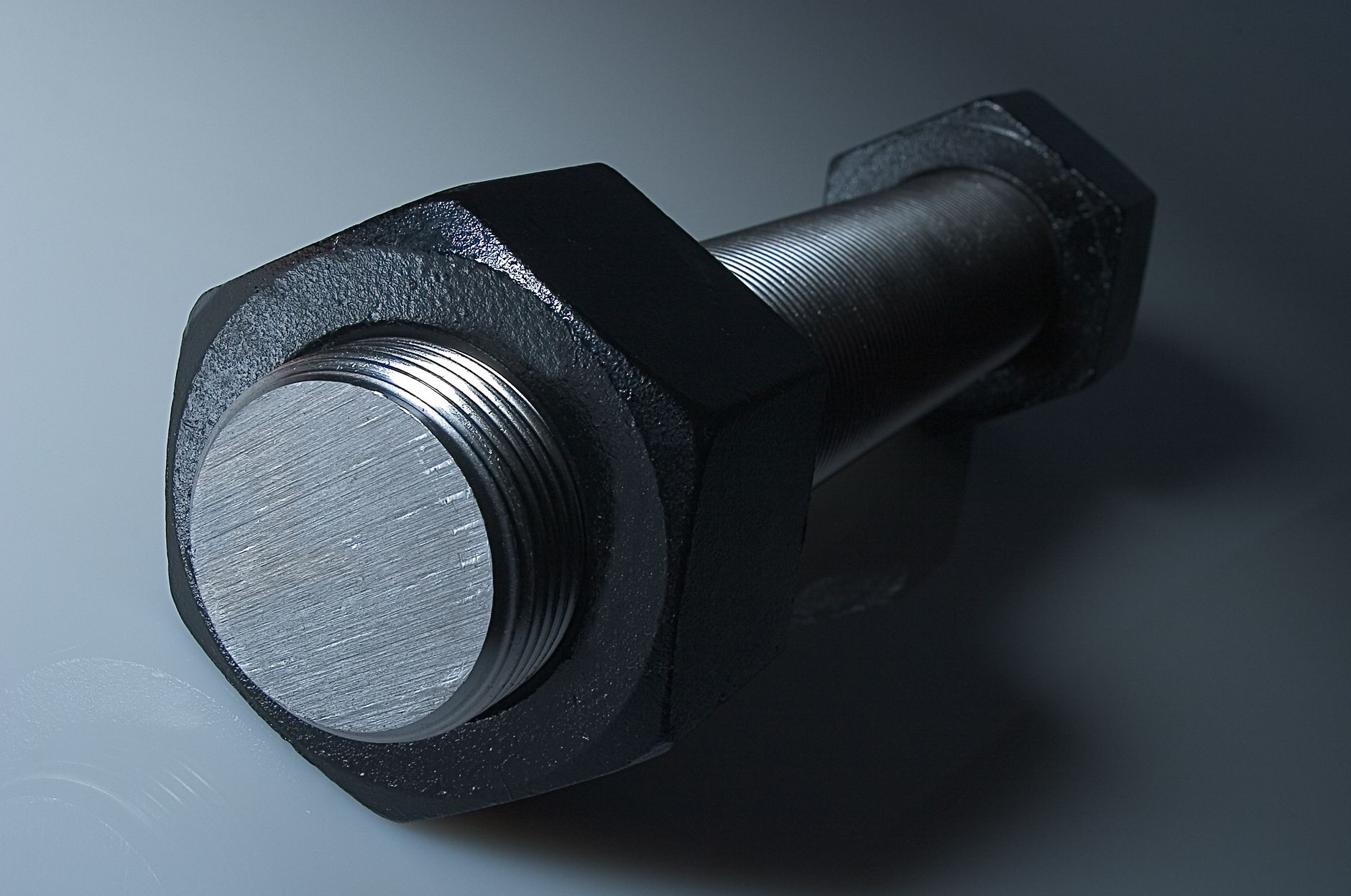
Critical infrastructure supports the services people rely on every day, from energy and transportation to telecommunications and water systems. Any disruption can have widespread consequences, making reliability a top priority for businesses involved in designing, building, or maintaining these essential networks.
The role of robust design in critical infrastructure
Robust design focuses on creating systems that continue to perform consistently under a wide range of operating conditions. Rather than simply meeting minimum performance requirements, these designs account for factors such as environmental stress, heavy usage, equipment aging, and unexpected events.
In the United States, guidance from organizations such as the National Institute of Standards and Technology (NIST) encourages infrastructure operators to strengthen resilience through risk management, system reliability, and secure engineering practices. By incorporating these principles early in the design process, businesses can reduce maintenance costs, minimize downtime, and improve long-term performance across critical assets.
Connectors: The backbone of reliable systems
While they are often overlooked, connectors are fundamental components within critical infrastructure. They create the electrical, mechanical, or data connections that allow equipment to communicate and function as intended. A single connection failure can interrupt operations, damage equipment, or create costly outages.
High-quality connectors are designed to withstand vibration, moisture, dust, temperature fluctuations, and repeated use without compromising performance. Choosing the right connector for each application also improves signal integrity, power distribution, and overall system reliability. For industries where continuous operation is essential, investing in durable connector solutions helps reduce failures and supports long-term operational stability.
Addressing cybersecurity and physical threats
Critical infrastructure faces a growing range of challenges, including cyberattacks and physical threats. While cybersecurity often focuses on software and network protection, physical hardware remains an equally important part of overall resilience.
Securely designed connectors and supporting hardware help prevent unauthorized access, accidental disconnections, and equipment failures that could expose systems to additional risks. Combining resilient physical infrastructure with strong cybersecurity practices creates multiple layers of protection, helping organizations maintain business continuity even when disruptions occur.
Regulatory compliance and industry standards
Businesses operating within critical infrastructure must comply with a range of federal regulations and industry standards. Depending on the sector, these may include requirements covering electrical safety, cybersecurity, environmental performance, and equipment reliability.
Selecting certified components and documenting compliance throughout the design and installation process helps organizations meet regulatory expectations while reducing operational risk. Staying informed about evolving standards also supports long-term compliance as technologies and security requirements continue to develop.
Innovations and future trends in connector technology
Connector technology continues to evolve alongside advances in automation, smart infrastructure, and industrial connectivity. Modern connectors are becoming smaller, faster, and more durable while supporting higher data transmission speeds and greater power demands.
Manufacturers are also developing connectors with enhanced environmental protection, improved locking mechanisms, and integrated monitoring capabilities that can identify potential issues before failures occur. As critical infrastructure becomes increasingly connected, these innovations will continue to improve reliability, simplify maintenance, and help businesses build more resilient systems for the future.