
Elevating Living Spaces: The Enduring Sophistication of Modern Leather Sofas
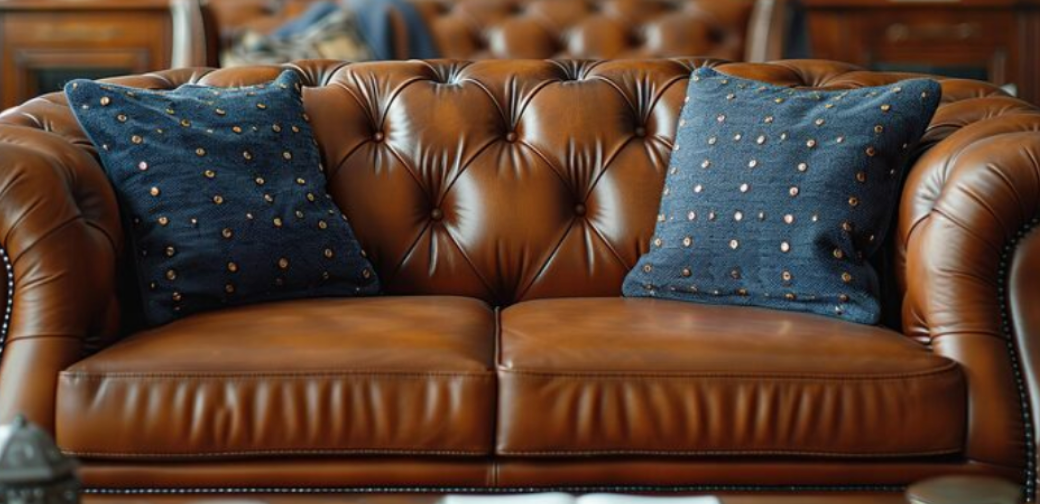
Leather sofas have maintained their place as one of the most respected and desirable furniture choices in interior design. They are often associated with elegance, durability, and long-term value. While trends in home décor change frequently, leather continues to remain relevant because it blends visual appeal with practical use.
A well-made leather sofa does more than provide seating. It shapes the atmosphere of a living room, adds character to the space, and creates a sense of comfort that feels both refined and inviting. Many homeowners choose branded leather sofas because they often combine quality craftsmanship, durability, and timeless design. This balance is what makes leather furniture a long-term favourite in both modern and traditional homes.
The Craft Behind Leather Sofa Production
A leather sofa is not just assembled furniture. It is the result of careful craftsmanship that involves skill, patience, and attention to detail. Each piece of leather goes through a treatment process that prepares it for long-term use while preserving its natural strength and texture.
The production process typically includes tanning, drying, and finishing stages. These steps help stabilise the material and improve its resistance to wear. As the leather ages, it becomes softer and develops a natural patina, which many people find even more attractive over time. This ageing process is one of the unique qualities that sets leather apart from synthetic or fabric materials.
Behind every high-quality leather sofa is a combination of design planning and skilled workmanship. The frame, stitching, and cushioning all work together to ensure comfort while maintaining structure and durability.
Different Types of Leather and Their Characteristics
Not all leather is the same, and the type used in a sofa greatly influences its appearance, feel, and lifespan. Full-grain leather is often considered the highest quality because it retains the natural surface of the hide. This gives it a strong, authentic look with visible texture that improves with age.
Top-grain leather is slightly processed to create a smoother surface. It offers a more uniform appearance while still maintaining durability and comfort. It is often chosen for modern interiors that prefer a cleaner and more polished look.
Other types, such as corrected leather or bonded leather, are more affordable alternatives. These options still provide the look of leather but are made through more processed methods. While they may not age in the same way as higher-grade leather, they still offer visual appeal and practical use for budget-conscious buyers.
Understanding these differences helps homeowners choose a sofa that fits both their lifestyle and long-term expectations.
Leather Sofas and Sustainable Production Practices
Sustainability has become an important part of furniture production in recent years, and leather manufacturing is no exception. Many producers now focus on more responsible sourcing methods and environmentally friendly processing techniques.
Traditional tanning methods that use harsh chemicals are gradually being replaced or reduced in favour of vegetable-based alternatives. These methods are designed to lower environmental impact while still producing high-quality leather.
Responsible sourcing of raw materials also plays a key role. Many brands now work with suppliers who follow ethical standards, ensuring that the production process respects both environmental and industry regulations. This shift toward sustainability adds value for consumers who are more conscious about the environmental impact of their purchases.
How Leather Sofas Fit Into Modern Interior Design
One of the strongest advantages of leather sofas is their ability to adapt to different interior styles. Whether a home is designed with a modern minimalist approach or a more classic aesthetic, leather blends in naturally without feeling out of place.
In modern homes, leather sofas are often used to create contrast. Their smooth surface and natural shine balance well with softer materials like fabric rugs, wooden furniture, or textured cushions. This contrast helps create a more layered and visually interesting space.
In more traditional interiors, leather adds a sense of richness and depth. It enhances the feeling of warmth and sophistication, making the room feel more complete and lived-in.
Because of its neutral tones and natural texture, leather can easily become either a focal point or a supporting element in a room, depending on how it is styled.
Comfort and Ergonomic Benefits of Leather Seating
Beyond appearance, leather sofas also offer practical comfort benefits. The material naturally adjusts to body temperature over time, creating a seating surface that feels comfortable in different weather conditions.
Leather also has a slight flexibility that allows it to mould gently to the shape of the body. This helps reduce pressure points and improves seating comfort, especially during long periods of use.
Combined with proper cushioning and frame design, leather sofas provide a supportive seating experience that encourages relaxation. This makes them suitable not only for living rooms but also for personal lounges or reading spaces.
Maintenance and Long-Term Care
One of the reasons leather sofas are considered a good investment is their relatively simple maintenance requirements. Unlike fabric furniture that may absorb stains easily, leather surfaces are easier to clean and maintain.
Regular dusting and gentle wiping are usually enough to keep the surface clean. Occasional conditioning is also recommended to maintain softness and prevent dryness. This helps preserve the natural oils in the leather and reduces the risk of cracking over time.
Proper care ensures that the sofa remains visually appealing and structurally strong for many years. With minimal effort, leather furniture can maintain its original quality far longer than many other materials.
Understanding Value Beyond Initial Cost
Leather sofas often come with a higher initial price compared to other types of seating. However, this cost reflects the quality of materials, craftsmanship, and long-term durability.
Instead of replacing furniture every few years, many homeowners find that a well-made leather sofa lasts significantly longer. This makes it a more practical long-term investment, especially for those who value both comfort and style.
Over time, the durability and timeless appearance of leather often outweigh the initial cost, making it a more cost-effective choice in the long run.
The Role of Brand Reputation in Leather Furniture
Brand reputation plays an important role when selecting a leather sofa. Established furniture brands often bring years of experience in design, material selection, and production quality.
A trusted brand usually ensures consistency in craftsmanship and provides better customer support. This helps buyers feel more confident in their purchase, especially when investing in high-end furniture.
Different brands may also offer unique design approaches, allowing customers to choose styles that match their personal preferences and home aesthetics.
Customisation and Personal Expression
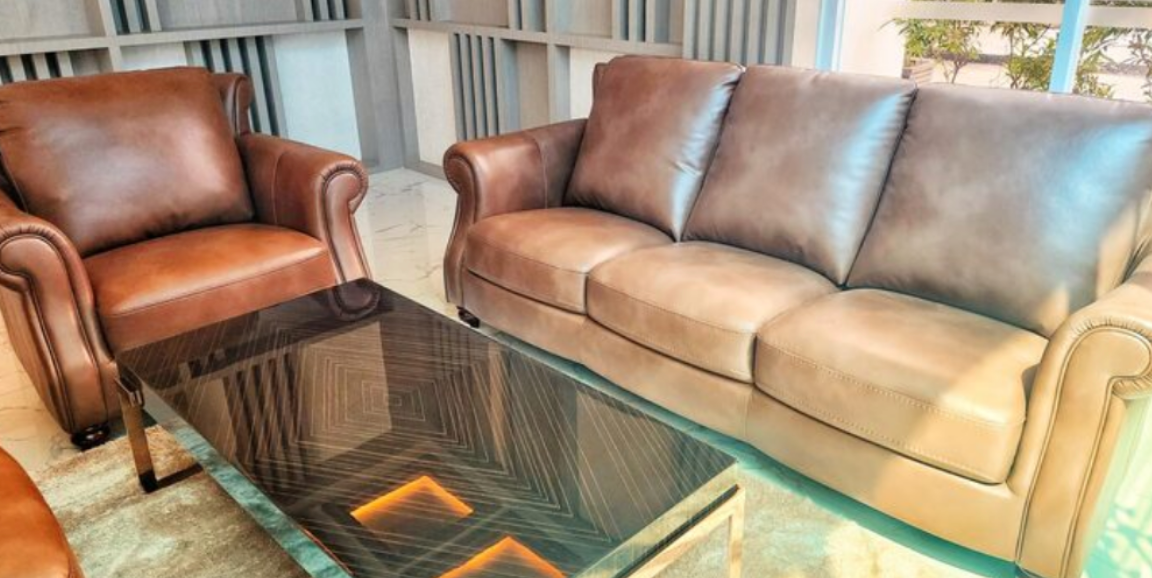
Modern furniture design has shifted toward personalisation, and leather sofas are no exception. Many manufacturers now offer customisation options that allow buyers to choose leather type, colour, stitching style, and even sofa shape.
This level of flexibility allows homeowners to create a piece that fits perfectly into their space. It also gives them the freedom to reflect their personal taste, whether they prefer bold, modern designs or subtle, classic styles.
Customisation has made leather sofas more accessible and appealing to a wider range of consumers who want furniture that feels unique and personal.
Conclusion: A Lasting Symbol of Style and Comfort
Leather sofas continue to hold a strong position in interior design because they successfully combine beauty, comfort, and durability. Their ability to age gracefully while maintaining functionality makes them a reliable choice for long-term use.
From craftsmanship and material quality to design flexibility and sustainability, leather sofas represent more than just furniture. They represent a lifestyle choice centred on comfort, elegance, and lasting value.
As homes continue to evolve, leather sofas remain a constant presence, adapting to new styles while preserving their timeless appeal.