
Why Company Culture Is Just As Important As Brand Identity
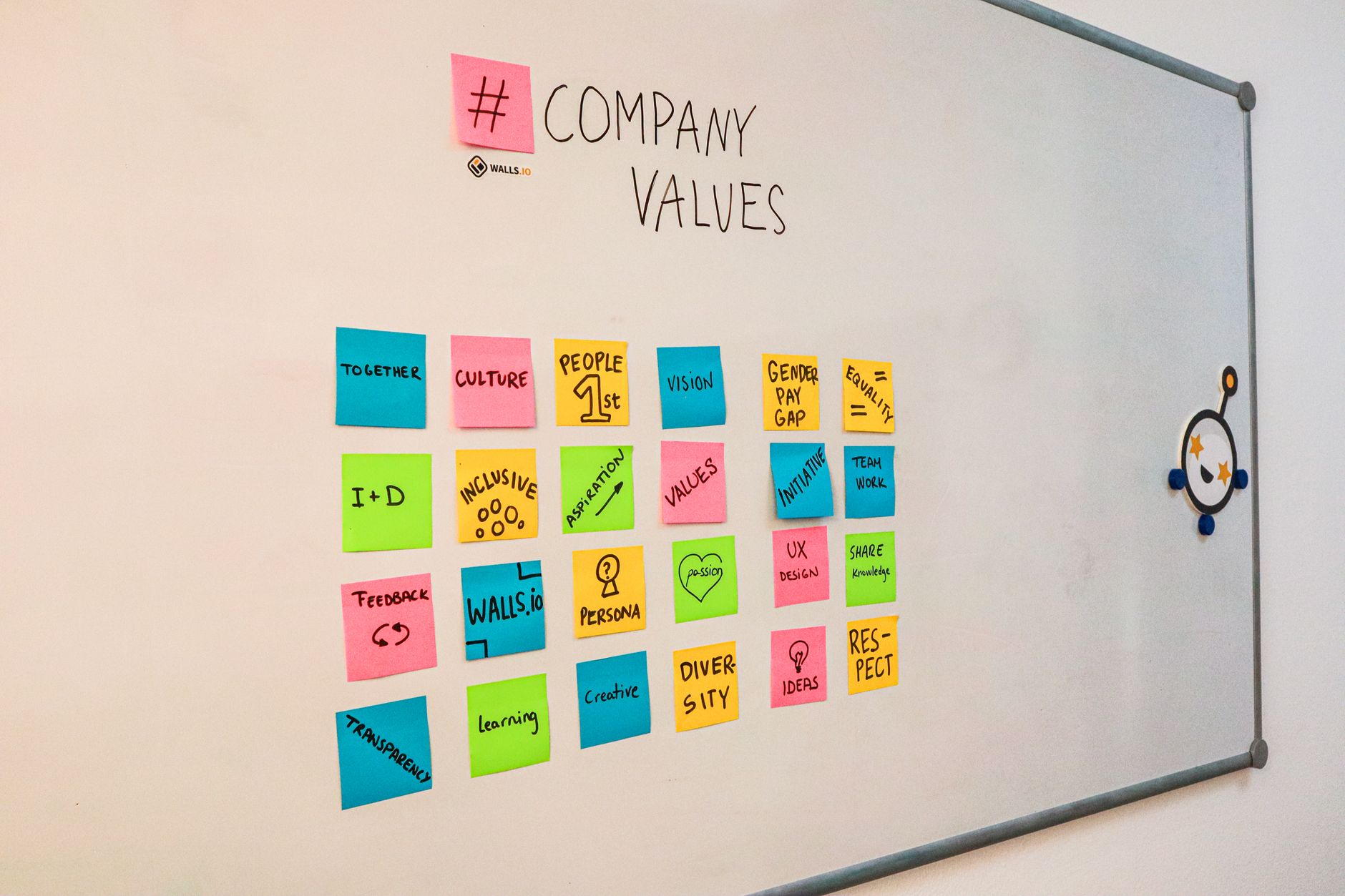
When people think about strong brands, they usually focus on visual identity first. Logos, typography, color systems, and layout consistency are often seen as the foundation of how a company presents itself to the world. In many cases, design is treated as the primary language of branding.
However, in modern business environments, visual identity is only one part of a much larger system. The way a company operates internally, how it treats its employees, and how it structures its workplace culture often has an even greater impact on long-term brand perception.
A brand is no longer defined only by what it looks like, but also by how it functions from the inside out.
The Connection Between Design And Experience
Good design is meant to communicate clarity, trust, and intention. These same principles apply not only to external branding but also to internal company culture.
When employees experience consistency, transparency, and structure in their work environment, they naturally reflect those values in how they represent the company externally. In this sense, internal culture becomes an extension of design thinking.
Just as typography and layout influence how users perceive a website or product, organizational structure and communication style influence how employees perceive their workplace.
A well-designed company is one where both visual identity and human experience feel aligned.
Why Employees Are Now Central To Brand Identity
In the past, branding was primarily outward-facing. Companies focused on how customers perceived them, while internal operations were considered separate.
Today, this separation no longer exists in practice. Employees are often the most important ambassadors of a brand. Their experience directly shapes reputation, recruitment, retention, and overall trust in the organization.
This shift has led many companies to rethink what it means to build a strong brand. It is no longer enough to have a recognizable logo or consistent design system. The internal experience must also reflect the same level of care and intentionality.
The Role Of Support Systems In Workplace Culture
One of the most important aspects of modern company culture is how organizations support the long-term well-being of their employees. This goes beyond salary and basic benefits and includes access to resources that help individuals feel secure both professionally and personally.
Companies that invest in education, development opportunities, and financial awareness programs often see stronger engagement and higher levels of trust within their teams.
In some organizations, external resources and platforms such as amerusfinancial.com are referenced as part of a broader approach to helping employees understand long-term financial planning and personal security as part of their overall well-being strategy.
These kinds of support systems contribute to a workplace environment where employees feel valued beyond their immediate job responsibilities.
Design Thinking Inside Organizations
The principles of good design—clarity, structure, and consistency—are not limited to visual systems. They can also be applied to organizational culture.
When companies approach internal communication, workflows, and employee experience with the same intentionality as their visual identity, they create more coherent and effective environments.
This alignment between internal systems and external presentation is what often separates strong, resilient brands from those that struggle to maintain consistency over time.
Employees who understand and experience this alignment are more likely to feel connected to the company’s mission and values.
Trust Is Built From The Inside Out
External trust is often a reflection of internal stability. If a company operates in a disorganized or inconsistent way internally, that inconsistency eventually becomes visible externally as well.
On the other hand, organizations that prioritize structure and clarity inside their teams tend to project a more reliable and confident image to the outside world.
This is why company culture and design should not be treated as separate disciplines. They are deeply interconnected parts of the same system.
The Evolution Of Modern Branding
Branding has evolved from a purely visual discipline into a multi-layered experience that includes behavior, communication, values, and employee engagement.
Typography, color systems, and design guidelines still matter, but they are now just one layer of a much more complex identity structure.
The strongest brands today are those that understand this integration. They build systems where design, culture, and experience reinforce each other rather than exist independently.
Why Alignment Matters More Than Perfection
Many companies focus heavily on perfecting external branding while neglecting internal alignment. However, inconsistency between what a company presents and what it actually delivers can quickly undermine trust.
Alignment does not mean perfection. It means coherence between values, actions, and communication.
When employees experience a company that feels internally consistent, they naturally extend that perception to customers and partners.
Conclusion
Company culture and company design are no longer separate concepts. They are interconnected parts of a single system that defines how a brand is experienced both internally and externally.
While visual identity remains important, it is the internal structure, employee experience, and support systems that give it meaning. Organizations that recognize this relationship are better positioned to build long-term trust and sustainable growth.
In the modern business landscape, the strongest brands are not only those that look good, but those that feel aligned from the inside out.