
Is Titanium Bulletproof And Body Armor Myths Busted
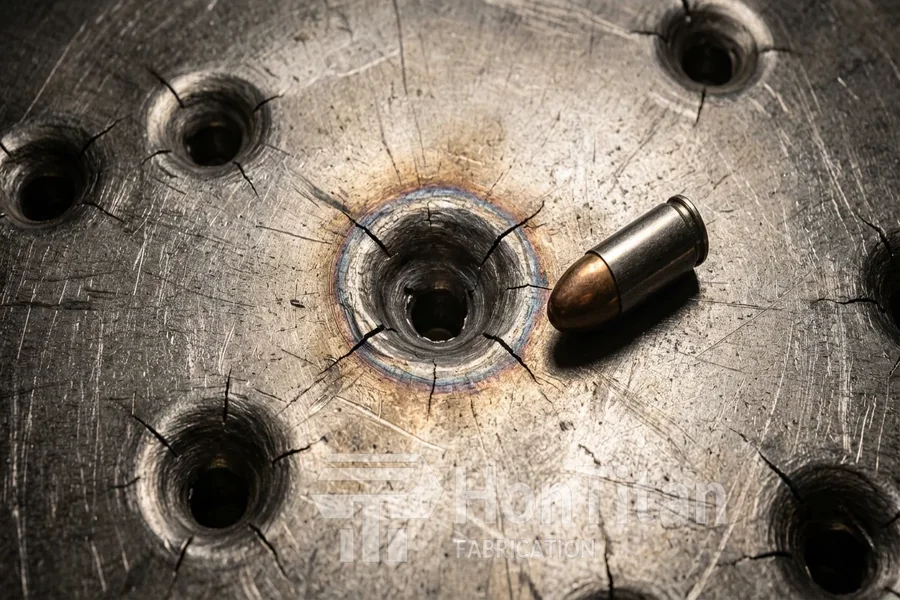
Hollywood sells a massive amount of lies. Action movies often show a brave hero wearing a shiny metal vest. The bad guys shoot hundreds of bullets at him. The hero just smiles and keeps walking forward. You see scenes like this all the time. This naturally makes folks ask questions. The biggest question is usually is titanium bulletproof in the real world. People think this famous metal is purely magic. They believe it acts exactly like a science fiction force field.
Look, it is time to crush those silly movie myths. Real engineering is incredibly messy. It is loud, dirty, and very expensive. This famous metal is truly incredibly strong. It does amazing things in our physical world. But stopping a flying piece of lead is a very tricky science. Physics always demands respect. A fast bullet carries deadly energy. You cannot simply ignore that energy. The truth about modern armor will definitely surprise you.
Hollywood Myths Versus Cold Hard Facts
Movies make combat look incredibly simple. A hero grabs a fancy trash can lid made of expensive metal. Bullets just bounce off it like little rubber balls. Real life definitely does not work that way. This special metal is a truly fascinating material. Miners dig it right out of the rocky ground. It looks just like normal silver. Actually, it acts very differently than silver. It is famous around the world because it is very light.
It is also famous because it is incredibly strong. Normal steel rusts away over time. Rain and snow destroy steel bridges. This special metal simply laughs at rust. You can drop it in salty ocean water for ten years. It stays perfectly shiny and fine. That amazing trick makes it an absolute dream for smart engineers. So, they try to use it for everything. They use it for golf clubs and spaceships.
However, the word bulletproof is a terrible word in the strict engineering world. Testing experts absolutely hate that word. Nothing on earth is truly bulletproof. That is a very harsh truth. If a bad guy brings a much bigger gun, the strongest armor will eventually fail. If a bullet travels fast enough, it will punch a massive hole through almost anything. Lab workers prefer a different phrase. They use the term bullet resistant.
How Kinetic Energy Meets Metal
Understanding human armor means understanding raw energy. A gun fires using a tiny violent explosion. This fast explosion pushes the bullet out of the metal barrel. The bullet flies through the open air at crazy speeds. It carries something called kinetic energy. This is basically the energy of motion. It is a massive amount of hidden power. This power is trapped in a tiny piece of spinning metal.
When the fast bullet hits a solid target, that exact energy has to go somewhere. Energy never just magically disappears. Armor has to eat that violent energy. Heavy steel plates try to smash the bullet into pieces. They force the soft lead to flatten out like a warm pancake. Ceramic chest plates do something totally wild instead. They actually break on purpose. The hard ceramic shatters into thousands of tiny pieces.
This violent shattering process eats up the deadly kinetic energy. The special lightweight metal takes a slightly different path. It is somewhat flexible by nature. It bends backwards just a little bit. It tries to stretch out. It wants to catch the flying bullet like a baseball catcher’s mitt. This helpful flexibility is great for some situations. But it definitely has strict physical limits. If it bends too deeply, it hits the human ribs.
Steel Plates Compared To Space Age Metals
Steel is basically the grumpy old grandfather of the entire armor world. It is very cheap to buy. Factories make it easily in massive, bubbling pots. Heavy steel blocks stop incoming bullets very well. But there is one huge problem. Steel is ridiculously heavy to carry. Try asking a tired soldier to run three miles. Tell him to wear heavy steel plates. That poor soldier will quickly pass out from exhaustion.
Weight is the ultimate enemy on a dusty battlefield. Running speed keeps innocent people alive. This is the exact moment our fancy metal steps into the bright spotlight. It offers a very sweet deal to military generals. It gives roughly the same exact protection as regular steel. But it cuts the overall weight entirely in half. Saving that much heavy weight is a massive daily victory.
A happy soldier can carry extra drinking water instead. A fighter pilot can fly a jet just a little bit faster. There are many different flavors of this metal available. Pure versions are actually way too soft to use for armor. A pure plate would fail very quickly. Scientists have to mix it with other random stuff. They add some aluminum into the melting pot. They throw in some exotic vanadium.
A List Of Real Armor Materials
- Woven Kevlar fabric for soft, flexible police vests.
- Hardened ballistic steel for protecting heavy bank trucks.
- Boron carbide ceramic for military chest plates.
- Special metal alloys for expensive aerospace parts.
- High density plastic fibers pressed tightly together.
Tank Treads And Jet Fighter Cockpits
Look high up in the blue sky. Fast military jets use this lightweight metal absolutely everywhere. The famous A-10 Warthog plane is basically a flying tank. It flies very low to the grassy ground. Enemy soldiers constantly shoot back at it. The brave pilot sits inside a giant metal bathtub. That protective bathtub is made of thick, expensive metal.
It wraps completely around the pilot like a heavy winter blanket. It stops large, angry bullets from hitting the delicate steering controls. In this specific situation, the metal is very thick. Raw thickness does all the real defensive work. A paper thin sheet would do absolutely nothing. Helicopters use the exact same clever trick. The flat floors of military helicopters hide thick plates inside.
This hidden layer stops rifle bullets coming straight up from the dirt. Ground vehicles are a totally different story. Heavy tanks rarely use this fancy metal for the main outer body. Tanks need thick, brutal, ugly armor. Using rare materials would cost billions of dollars easily. Building a single modern tank would totally drain the government bank account. Tank builders gladly stick to heavy steel and secret ceramic recipes.
The Ugly Side Of Fancy Alloys
Nothing in the engineering world is ever perfect. Every single material hides a dirty secret. The secret here is the massive price tag. Getting this rare metal out of the rocky ground is a total nightmare. It requires nasty, dangerous chemicals. It requires massive amounts of factory heat. Once you finally get a clean block, the awful nightmare continues.
Cutting the block ruins expensive factory tools. Normal drill bits snap right in half. Welding the pieces together is a complete disaster. Welding naturally requires intense heat. When this specific metal gets super hot, it sucks up oxygen right from the air. If it sucks up too much oxygen, the weld becomes terribly brittle. It shatters exactly like glass under heavy pressure.
Welders have to work inside sealed, weird bubble rooms. These strange rooms are completely filled with special, expensive gases. It is a very slow and super frustrating process. This drives the final cost high up into the clouds. Another dark secret involves a scary thing called spalling. When a super fast bullet hits the front of a hard plate, a powerful shockwave travels deep through the metal.
The Real Deal On Modern Protection
Humanity truly loves a good hero legend. The fun idea of an unbreakable, magic shield is a wonderful dream. But physics is a very stubborn boss. Physics clearly says mass and speed control the entire universe. Stopping a huge, angry bullet requires a very dense material. This wonderful, lightweight metal finds a really great balance.
It successfully saves young lives up in the sky. It protects brave troops flying in helicopters. It helps build extremely strong tools. It builds truly great airplanes. It is an absolutely fantastic tool in the global toolkit. It is just not a magical movie prop. Body armor technology will definitely keep evolving over time. Smart scientists wear white coats and burn the midnight oil.
They invent crazy new plastics. They bake brand new ceramics in giant factory ovens. They constantly look for the perfect human shield. Until they find it, engineers will just keep mixing different metals together. They will keep testing heavy plates in dirty, loud firing ranges. The global quest for safety never actually stops.
FAQs
Is titanium stronger than a diamond?
No. Diamonds are insanely hard materials. Diamonds can easily scratch this metal. Metal is tough and bends slightly, but diamonds are entirely rigid and hard.
Can a normal handgun pierce titanium armor?
A thick protective plate will easily laugh at a small handgun. A very thin sheet might fail entirely. It always depends completely on the actual thickness of the metal plate.
Why are titanium parts so expensive to buy?
The raw dirt is very hard to refine. Cutting it destroys sharp drill bits incredibly quickly. Welding it properly requires sealed rooms filled with expensive gas.
Do street cops wear metal vests every day?
Most street cops wear soft Kevlar fabric daily. Metal plates are way too heavy and bulky to wear for twelve hours inside a hot summer patrol car.